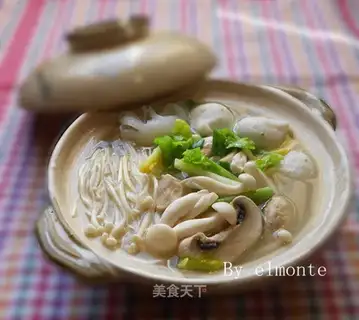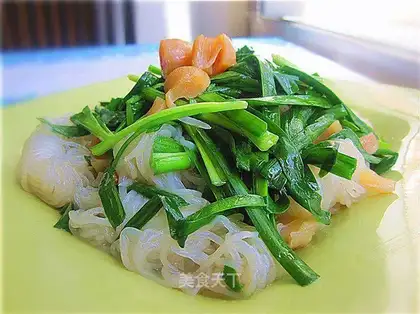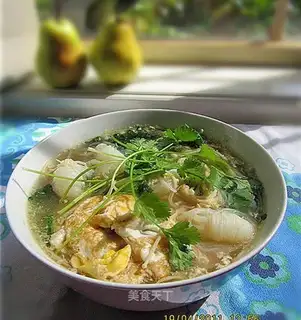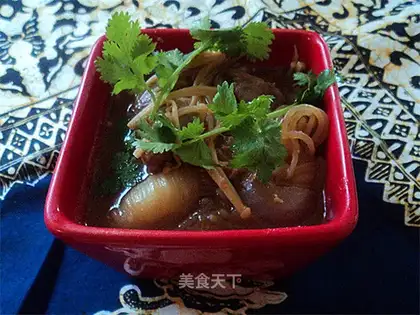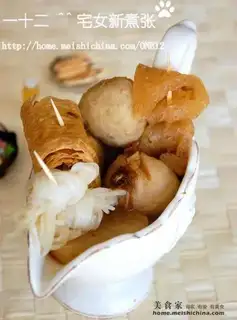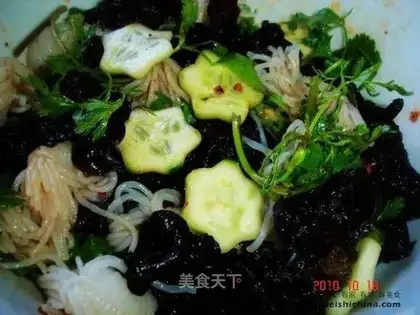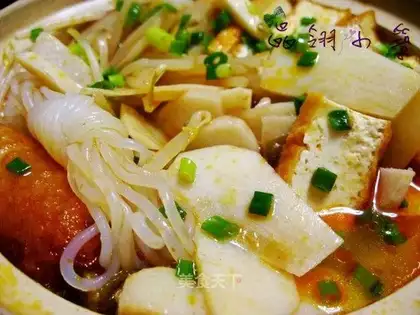
The so-called five blessings were first found in Shangshu Hongfan: "The first is longevity, the second is wealth, the third is health, the fourth is good virtue, and the fifth is the end of life." <br />Long life, wealth, good health and peaceful soul, virtue, and a good death without encountering unexpected disasters are the earliest specific interpretation of the "Five Blessings" by China. In modern society, the five blessings have been more interpreted as-blessings, longevity, and wealth. <br /><br />No matter which way you say it, it is all people's yearning and pursuit for a better life. I have always felt that only the rich and colorful Chinese characters can there be so many "New Year words" with beautiful connotations. It is precisely because of this pursuit of happiness that there are many auspicious ingredients produced through homophonic sounds. For example: chicken and chestnuts mean "auspicious". For example, tofu, the main ingredient of this dish, is often called Duofu. <br /><br />Serve the food~~Five blessings come to the door-Fragrant taro and more blessings pot<br /><br /> It's hot, sour and delicious, and each person has a big bowl of O (④_④) O