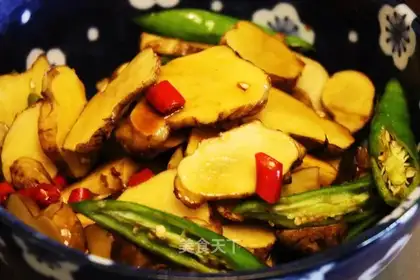
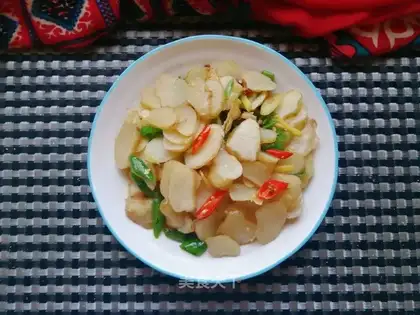
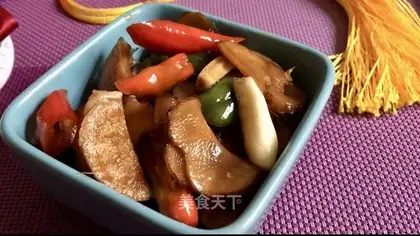
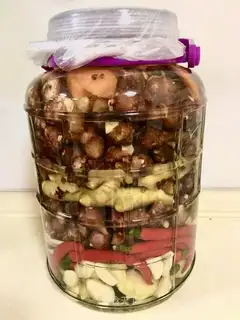
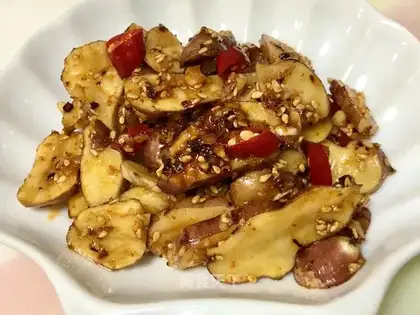
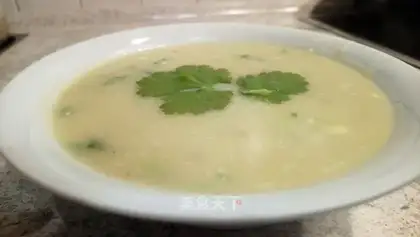
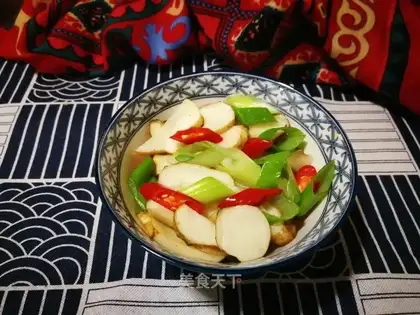
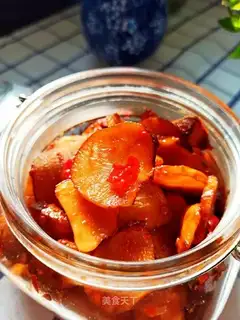
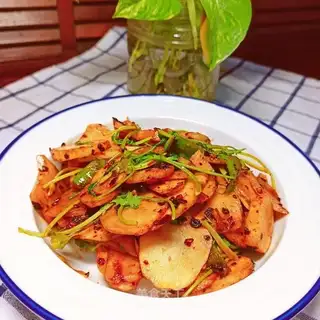
Helianthustuberosus, also known as ginger, is a multi-year grassland plant. From North America, from the seventeenth century into Europe and then into China. In autumn, flowers are blooming, with small yellow dishes in the form of chrysanthemums, which are normally produced with tubers, which are rich in sugars, such as starch and chrysanthemum, which can be eaten, cooked or porridged, pickled, tanned, or made of starch and alcohol raw materials. Work feed can also be added to the roof. The intoxication of the tuber or leaf has the effect of dehumidizing the water, cooling the blood, promoting the stomach and incentivizing it. Cultivation in the vicinity of the house is both aesthetic。
Ginger is also called custard, a very common root-breed dish, which has a soft taste and a light tan. Ginger is alive and can grow in some poor natural environments. When I was a child, I often saw it on the ground and by the ditch, and it was possible to collect it by the end of autumn and early winter. It looks like ginger, but tastes different. It contains a variety of trace elements and vitamins that meet the needs of normal metabolism in the body, as well as a large quantity of gynthics, which are resistant to cancer, antibacterials, blood pressure and resin, and can regulate blood sugar, so that ginger is also a health diet that is particularly suitable for the group of elderly people。