Introduction
In the diverse world of edible fungi, few varieties have gained as much acclaim as Pleurotus eryngii, commonly known as the king oyster mushroom. With its thick, succulent stem and delicate cap, this prized culinary ingredient has transcended its role as a mere garnish to become a staple in global cuisine. Beyond its appealing texture and mild, umami-rich flavor, king oyster mushrooms are celebrated for their exceptional nutritional profile and array of health benefits. However, like all foods, they must be consumed mindfully to avoid potential risks. This article explores the nutritional value, health-promoting properties, and precautions associated with king oyster mushrooms, offering a comprehensive guide for incorporating this "mushroom of kings" into a balanced diet.
Nutritional Value: A Treasure Trove of Essential Nutrients
King oyster mushrooms stand out among fungi for their dense concentration of vitamins, minerals, proteins, and bioactive compounds. A 100-gram serving of fresh king oyster mushrooms (approximately 1 cup, sliced) provides approximately:
- Protein: 3-3.5 grams, making it an excellent plant-based protein source for vegetarians and vegans. Unlike many plant proteins, it contains all nine essential amino acids, including lysine and leucine, which are often limited in grains and legumes.
- Dietary Fiber: 4-5 grams, including both soluble and insoluble fiber. Soluble fiber (such as beta-glucans) aids in digestion and cholesterol management, while insoluble fiber promotes gut regularity.
- Vitamins: Rich in B vitamins, particularly niacin (B3), riboflavin (B2), and pantothenic acid (B5). These vitamins play critical roles in energy metabolism, nervous system function, and skin health. A 100-gram serving provides 20-30% of the daily recommended intake (DRI) for niacin, which supports cardiovascular health by lowering LDL ("bad") cholesterol. Additionally, king oysters are one of the few plant sources of vitamin D2, especially when exposed to sunlight, though levels are modest compared to fatty fish.
- Minerals: A good source of potassium (300-350 mg per 100 grams), which regulates blood pressure and fluid balance; phosphorus (100-120 mg), essential for bone health; and selenium (10-15 mcg), a powerful antioxidant that supports immune function and thyroid health. They also contain copper, iron, and zinc, which are vital for red blood cell production and immune defense.
- Bioactive Compounds: King oysters are rich in polysaccharides, particularly beta-glucans, which have been extensively studied for their immunomodulatory effects. They also contain ergothioneine, a unique amino acid with potent antioxidant properties, and lovastatin-like compounds, which may help lower cholesterol.
Compared to other mushrooms, such as shiitake or oyster mushrooms, king oysters have a higher protein and fiber content and a lower carbohydrate count, making them a favorable option for low-glycemic and high-protein diets.
Health Benefits: From Immune Support to Disease Prevention
The combination of nutrients and bioactive compounds in king oyster mushrooms contributes to a wide range of health benefits, backed by both traditional use and modern scientific research.
1. Immune System Modulation
Beta-glucans, the primary polysaccharides in king oysters, are known to enhance immune function by activating macrophages, natural killer (NK) cells, and T-cells. These immune cells play a key role in identifying and eliminating pathogens, such as bacteria and viruses. A 2018 study published in the Journal of Medicinal Food found that Pleurotus eryngii beta-glucans increased the production of cytokines (signaling molecules that regulate immune responses) in mice, suggesting potential applications in boosting immune resilience.
2. Cardiovascular Health
King oysters support heart health through multiple mechanisms. Their high potassium content counteracts the effects of sodium, helping to lower blood pressure. Additionally, they contain compounds that inhibit cholesterol synthesis: lovastatin-like molecules reduce the production of LDL cholesterol, while soluble fiber binds to bile acids (which are made from cholesterol) in the intestines, promoting their excretion. A 2020 study in Phytotherapy Research noted that participants who consumed king oyster mushrooms daily for 8 weeks showed significant reductions in total cholesterol and triglyceride levels compared to a control group.
3. Blood Sugar Regulation
With a low glycemic index (GI) and high fiber content, king oysters are an ideal food for individuals with diabetes or prediabetes. Fiber slows the absorption of sugar in the bloodstream, preventing sharp spikes in blood glucose. Furthermore, research indicates that king oyster polysaccharides may enhance insulin sensitivity by improving glucose uptake in cells. A 2019 study in Biological & Pharmaceutical Bulletin demonstrated that extracts from Pleurotus eryngii reduced blood sugar levels in diabetic rats by 30% after 4 weeks of treatment.
4. Antioxidant and Anti-Inflammatory Effects
King oysters are rich in antioxidants, including ergothioneine, selenium, and phenolic compounds, which neutralize free radicals—unstable molecules that cause oxidative stress and cellular damage. Oxidative stress is linked to chronic diseases such as cancer, Alzheimer’s, and heart disease. Ergothioneine, in particular, has been shown to accumulate in organs like the liver and kidneys, where it protects against inflammation and oxidative damage. A 2021 study in Antioxidants found that king oyster mushroom extract reduced markers of inflammation (such as TNF-alpha and IL-6) in human immune cells.
5. Weight Management and Gut Health
The high fiber and protein content of king oysters promotes satiety, reducing overall calorie intake and aiding in weight management. Fiber also acts as a prebiotic, feeding beneficial gut bacteria (such as Bifidobacterium and Lactobacillus), which are essential for digestion, nutrient absorption, and immune function. A healthy gut microbiome has also been linked to reduced risk of obesity, metabolic syndrome, and inflammatory bowel diseases (IBD).
6. Potential Anti-Cancer Properties
While more research is needed, preliminary studies suggest that king oyster mushrooms may inhibit cancer growth. Beta-glucans have been shown to induce apoptosis (programmed cell death) in cancer cells and prevent tumor metastasis. A 2017 study in Oncology Reports found that Pleurotus eryngii extract suppressed the proliferation of human colon cancer cells by up to 60% in vitro. Additionally, the mushroom’s antioxidant properties protect DNA from damage, reducing the risk of cancer initiation.
Precautions and Potential Side Effects
Despite their many benefits, king oyster mushrooms may not be suitable for everyone, and certain precautions should be taken to ensure safe consumption.
1. Allergic Reactions
While rare, some individuals may be allergic to king oyster mushrooms, particularly those with sensitivities to other fungi (such as mushrooms or mold). Symptoms can range from mild (itching, hives) to severe (anaphylaxis, difficulty breathing). Those with a known mushroom allergy should avoid king oysters altogether.
2. Digestive Discomfort
King oysters are high in fiber, which may cause bloating, gas, or diarrhea in sensitive individuals, especially when consumed in large quantities. To minimize these effects, start with small servings and ensure the mushrooms are cooked thoroughly, as cooking breaks down fiber and makes them easier to digest.
3. Drug Interactions
King oysters contain compounds that may interact with certain medications. For example, their high vitamin K content can interfere with blood-thinning drugs like warfarin, which work by inhibiting vitamin K-dependent clotting factors. Individuals taking such medications should maintain consistent vitamin K intake and consult their doctor before adding king oysters to their diet. Additionally, the mushroom’s beta-glucans may enhance immune function, which could theoretically interfere with immunosuppressive drugs used by organ transplant recipients.
4. Pesticide and Contamination Risks
As with all produce, king oysters may contain pesticide residues or heavy metals if grown in contaminated environments. To reduce risk, purchase mushrooms from reputable sources, wash them thoroughly, and opt for organic varieties when possible. Cooking also helps eliminate harmful bacteria or parasites that may be present.
5. Not Suitable for Certain Populations
- Autoimmune Diseases: Beta-glucans stimulate the immune system, which may exacerbate symptoms in individuals with autoimmune conditions (e.g., lupus, rheumatoid arthritis). Such individuals should consult a healthcare provider before consumption.
- Gout: Mushrooms contain purines, which can trigger gout attacks in susceptible individuals. While king oysters have lower purine levels than some other fungi (e.g., shiitake), those with gout should consume them in moderation.
Culinary Uses and Tips for Incorporation
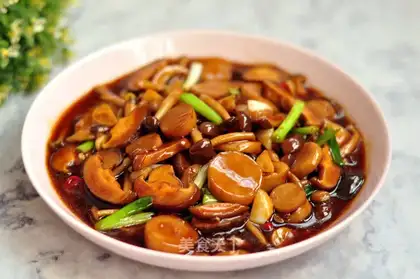
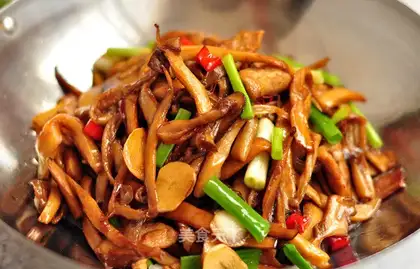
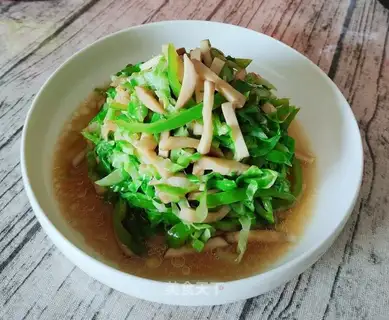
King oyster mushrooms are prized for their versatility in the kitchen. Their thick, meaty stem makes them an excellent substitute for seafood or meat in vegetarian dishes. Here are some popular ways to enjoy them:
- Grilled or Roasted: Marinate sliced king oysters in olive oil, garlic, and herbs, then grill or roast until caramelized. They mimic the texture of scallops or squid.
- Stir-Fries: Add sliced mushrooms to stir-fries with vegetables, tofu, or chicken for a hearty, umami-rich meal.
- Soups and Stews: Their robust flavor enhances broths and stews, adding depth and nutritional value.
- Sandwiches or Burgers: Grilled mushroom stems can be layered in sandwiches or used as a "bun" for plant-based burgers.
- Pickled: Pickled king oysters make a tangy, crunchy addition to salads or charcuterie boards.
To maximize their nutritional benefits, cook king oysters lightly (e.g., steaming, sautéing) rather than boiling, as excessive heat can degrade heat-sensitive vitamins like B3 and vitamin D.
Conclusion
King oyster mushrooms are a nutritional and culinary powerhouse, offering an impressive array of vitamins, minerals, and bioactive compounds that support immune function, heart health, blood sugar regulation, and more. Their versatility in the kitchen makes them a valuable addition to any diet, from plant-based to omnivorous. However, like all foods, they should be consumed in moderation and with awareness of potential risks, such as allergic reactions or drug interactions. By understanding their benefits and precautions, individuals can harness the full potential of this "mushroom of kings" to enhance their health and culinary experiences. Whether grilled, stir-fried, or roasted, king oyster mushrooms are a delicious and functional food that bridges the gap between nutrition and gastronomy.