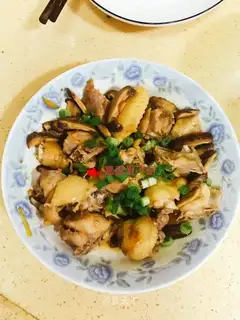
Shiitake mushrooms (Lentinula edodes), often referred to as "black mushrooms" in culinary contexts, are one of the most widely consumed and revered edible fungi globally. Native to East Asia, particularly Japan, China, and Korea, these mushrooms have been a staple in traditional medicine and cuisine for centuries. Today, they are celebrated not only for their rich, umami flavor but also for their exceptional nutritional profile and potential health benefits. From boosting immune function to supporting heart health, shiitake mushrooms offer a unique combination of bioactive compounds that make them a standout ingredient in a balanced diet. However, like all foods, they must be consumed mindfully, as certain precautions apply. This article explores the nutritional value of shiitake mushrooms, their evidence-based health benefits, and important considerations for safe consumption.
I. Nutritional Profile of Shiitake Mushrooms
Shiitake mushrooms are a nutritional powerhouse, packed with essential vitamins, minerals, proteins, and fiber while being low in calories and fat. A 100-gram serving of fresh shiitake mushrooms (approximately 4–5 medium caps) contains roughly:
- Calories: 34 kcal
- Protein: 2.2 grams (including all nine essential amino acids, making them a rare complete plant protein source)
- Dietary Fiber: 2.5 grams, including beta-glucans, a type of soluble fiber linked to numerous health benefits
- Vitamins: Rich in B vitamins (B2, B5, B6, and niacin), which play key roles in energy metabolism and nervous system function. They are also one of the few natural sources of vitamin D2, especially when exposed to sunlight or UV light during drying.
- Minerals: Excellent sources of copper (essential for iron absorption and antioxidant defense), selenium (a powerful antioxidant), potassium (for blood pressure regulation), and phosphorus (for bone health).
- Bioactive Compounds: Contain unique compounds such as lentinan (a beta-glucan polysaccharide), eritadenine (a compound that lowers cholesterol), and ergothioneine (an antioxidant amino acid).
Dried shiitake mushrooms are even more nutrient-dense due to concentration, with higher levels of protein, fiber, and antioxidants per serving. For example, a 10-gram serving of dried shiitake (rehydrated to ~50 grams) provides over 10% of the daily recommended intake of copper and selenium.
II. Health Benefits of Shiitake Mushrooms
The health benefits of shiitake mushrooms are attributed to their diverse bioactive compounds. Below are some of the most well-documented advantages:
1. Immune System Support
Shiitake mushrooms are renowned for their immune-modulating effects, largely due to lentinan, a beta-glucan that activates immune cells such as macrophages, natural killer (NK) cells, and T-cells. Studies show that lentinan enhances the body’s ability to fight infections and may even stimulate the production of cytokines, proteins that regulate immune responses. A 2015 study published in the Journal of the American College of Nutrition found that participants who consumed shiitake mushrooms daily for four weeks showed increased immune cell activity and reduced inflammation markers. Additionally, the high selenium content in shiitake supports antioxidant defenses, protecting immune cells from oxidative damage.
2. Heart Health
Cardiovascular disease is a leading global cause of death, and shiitake mushrooms may offer protective benefits. The compound eritadenine, found in shiitake, has been shown to lower LDL ("bad") cholesterol and triglyceride levels by inhibiting cholesterol synthesis in the liver. A 2019 study in Food & Function demonstrated that rats fed a high-cholesterol diet supplemented with shiitake powder had a 25% reduction in LDL cholesterol compared to controls. Furthermore, shiitake’s potassium content helps regulate blood pressure by balancing sodium levels, while their fiber promotes healthy digestion and reduces cholesterol absorption. The absence of saturated fat also makes them a heart-healthy alternative to animal-based proteins.
3. Anticancer Properties
Emerging research suggests shiitake mushrooms may play a role in cancer prevention and adjunct therapy. Lentinan has been studied for its ability to inhibit tumor growth and enhance the efficacy of chemotherapy. For example, a 2017 review in Integrative Cancer Therapies noted that lentinan supplementation improved survival rates and quality of life in patients with gastric and colorectal cancers. Additionally, ergothioneine, a potent antioxidant in shiitake, protects cells from DNA damage caused by free radicals, which can reduce cancer risk. While more human trials are needed, these findings highlight shiitake’s potential as a complementary approach to cancer care.
4. Antioxidant and Anti-Inflammatory Effects
Oxidative stress and chronic inflammation are underlying factors in many diseases, including diabetes, arthritis, and neurodegenerative disorders. Shiitake mushrooms are rich in antioxidants, including ergothioneine, selenium, and polyphenols, which neutralize free radicals and reduce inflammation. A 2020 study in Antioxidants found that shiitake extract significantly reduced markers of inflammation (such as TNF-alpha and IL-6) in human blood cells. For individuals with conditions like metabolic syndrome, incorporating shiitake into the diet may help mitigate oxidative stress and improve metabolic health.
5. Bone Health
Shiitake mushrooms contribute to bone density and strength through their rich mineral content. They are one of the few plant-based sources of vitamin D2, which is crucial for calcium absorption and bone mineralization. A 100-gram serving of UV-exposed dried shiitake can provide up to 18 micrograms of vitamin D2, covering 90% of the daily recommended intake for most adults. Additionally, their phosphorus and copper content supports bone structure and collagen formation, reducing the risk of osteoporosis.
6. Gut Health and Digestion
The high fiber content in shiitake mushrooms promotes a healthy gut microbiome by acting as a prebiotic, feeding beneficial gut bacteria. A 2021 study in Microorganisms found that shiitake beta-glucans increased the abundance of Bifidobacterium and Lactobacillus, two probiotic strains linked to improved digestion and immune function. Furthermore, fiber adds bulk to stool, preventing constipation and supporting overall digestive health.
III. Culinary Uses and Preparation Tips
Beyond their health benefits, shiitake mushrooms are prized for their culinary versatility. Fresh shiitake have a meaty texture and earthy flavor, while dried shiitake (rehydrated in warm water) offer a more intense umami taste, making them ideal for broths, stir-fries, and sauces. To maximize nutrient retention:
- Avoid overcooking: Light sautéing or steaming preserves heat-sensitive vitamins like B vitamins and vitamin D.
- Use the soaking water: Dried shiitake soaking liquid is rich in flavor and nutrients; it can be added to soups or stews.
- Combine with healthy fats: Vitamin D2 is fat-soluble, so pairing shiitake with olive oil or avocado enhances absorption.
IV. Precautions and Potential Side Effects
While shiitake mushrooms are generally safe for most people, certain precautions should be considered:
1. Allergic Reactions
Although rare, some individuals may be allergic to shiitake mushrooms, experiencing symptoms such as skin rashes, itching, or respiratory distress. Those with mushroom allergies should avoid consumption.
2. Purine Content
Shiitake mushrooms are high in purines, natural compounds that break down into uric acid. For people with gout or kidney stones, excessive purine intake can trigger flare-ups. Limiting consumption to 1–2 servings per week is advisable for those with these conditions.
3. Blood Sugar Effects
Shiitake may lower blood sugar levels, so individuals taking diabetes medications (e.g., metformin or insulin) should monitor their blood sugar closely to avoid hypoglycemia.
4. Medication Interactions
The high vitamin K content in shiitake (which supports blood clotting) may interact with blood thinners like warfarin. Consistent intake is key for those on anticoagulants, but sudden increases or decreases in consumption could alter medication efficacy.
5. Raw Shiitake
Raw or undercooked shiitake mushrooms contain lentinan, which may cause digestive upset (e.g., bloating or diarrhea) in some individuals. Cooking thoroughly destroys this compound and improves digestibility.
V. Conclusion
Shiitake mushrooms are a nutritional and functional food that offers a wide range of health benefits, from immune support to heart health and beyond. Their unique combination of vitamins, minerals, and bioactive compounds makes them a valuable addition to any diet. However, moderation and awareness of potential side effects—especially for individuals with gout, allergies, or those on medications—are essential. By incorporating shiitake mushrooms into meals mindfully, people can enjoy their delicious flavor while harnessing their remarkable health-promoting properties. As research continues to uncover new benefits, these "forest gold" mushrooms are likely to remain a cornerstone of both culinary and wellness practices worldwide.