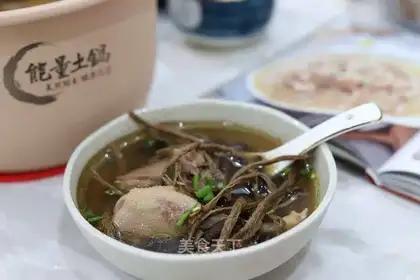
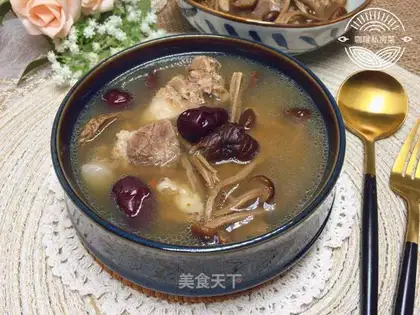
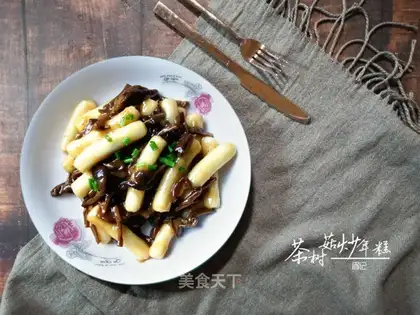
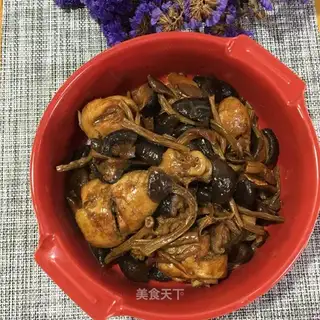
In the world of culinary and medicinal fungi, few ingredients boast the unique combination of robust flavor, meaty texture, and impressive nutritional profile quite like dried tea tree mushrooms (Agaricus blazei or Agrocybe aegerita, depending on the species). Revered in traditional Asian cuisine and modern wellness diets alike, these mushrooms have been used for centuries not only for their ability to elevate dishes but also for their potential health-promoting properties. This article explores the nutritional value of dried tea tree mushrooms, their diverse health benefits, and important considerations for safe consumption, providing a comprehensive guide for incorporating this superfood into a balanced diet.
I. Nutritional Value of Dried Tea Tree Mushrooms
Dried tea tree mushrooms are a nutritional powerhouse, offering a rich array of macronutrients, vitamins, minerals, and bioactive compounds. Their concentrated flavor and nutrient density make them a valuable addition to both vegetarian and non-vegetarian diets.
1. Macronutrients
When dried, tea tree mushrooms become a concentrated source of protein and dietary fiber, with minimal fat content. A 100-gram serving of dried mushrooms contains approximately 20-25 grams of protein, making them an excellent plant-based protein source—comparable to legumes and surpassing most vegetables. This protein includes all essential amino acids, such as lysine, leucine, and phenylalanine, which are vital for muscle repair, immune function, and hormone synthesis.
Fiber content is equally impressive, with around 30-35 grams per 100-gram serving. The majority of this fiber is insoluble fiber, which promotes digestive health by adding bulk to stool and preventing constipation. Additionally, tea tree mushrooms contain soluble fiber, such as beta-glucans, which can help lower cholesterol levels and regulate blood sugar.
Fat content is remarkably low, with less than 3 grams per 100 grams, and the small amount of fat present is primarily heart-healthy unsaturated fats, including oleic and linoleic acids.
2. Vitamins and Minerals
Dried tea tree mushrooms are a rich source of essential vitamins and minerals that support overall health:
- B Vitamins: They are particularly high in niacin (vitamin B3), riboflavin (vitamin B2), and pantothenic acid (vitamin B5). Niacin is crucial for energy metabolism and nervous system function, while riboflavin acts as an antioxidant and supports skin and eye health. Pantothemic acid aids in the production of coenzyme A, which is involved in numerous metabolic reactions.
- Minerals: These mushrooms are packed with potassium, phosphorus, magnesium, iron, and zinc. Potassium helps regulate blood pressure and fluid balance, phosphorus supports bone health, and magnesium is essential for muscle and nerve function. Iron is vital for oxygen transport in the blood, and zinc plays a key role in immune function and wound healing.
- Vitamin D: Unlike many plant-based foods, dried tea tree mushrooms contain vitamin D2 (ergocalciferol), especially when exposed to sunlight during drying. Vitamin D is critical for calcium absorption, bone health, and immune regulation.
3. Bioactive Compounds
Perhaps the most remarkable aspect of tea tree mushrooms is their high concentration of bioactive compounds, including polysaccharides, triterpenoids, and phenolic antioxidants. These compounds are responsible for many of their medicinal properties:
- Beta-Glucans: A type of polysaccharide, beta-glucans have been extensively studied for their immune-modulating effects. They can enhance the activity of macrophages, natural killer (NK) cells, and T-cells, which are key components of the immune system.
- Triterpenoids: These compounds, such as ergosterol and agaric acid, exhibit anti-inflammatory, antioxidant, and anticancer properties. They help neutralize free radicals, reducing oxidative stress and protecting cells from damage.
- Phenolic Compounds: Tea tree mushrooms contain phenolic acids and flavonoids, which act as antioxidants and may help reduce the risk of chronic diseases, including heart disease and diabetes.
II. Health Benefits of Dried Tea Tree Mushrooms
The nutritional and bioactive profile of dried tea tree mushrooms translates into a wide range of health benefits, from immune support to chronic disease prevention.
1. Immune System Enhancement
One of the most well-documented benefits of tea tree mushrooms is their ability to boost immune function. Beta-glucans, in particular, stimulate the innate immune system by activating macrophages and dendritic cells, which are responsible for identifying and destroying pathogens. Studies have shown that regular consumption of tea tree mushrooms can increase the production of cytokines—proteins that regulate immune responses—thereby enhancing the body’s ability to fight infections, including bacterial and viral illnesses.
Additionally, the high zinc content in these mushrooms supports immune cell development and function. Zinc deficiency is linked to weakened immunity, making tea tree mushrooms a valuable dietary source for maintaining optimal immune health.
2. Anticancer Properties
Several compounds in dried tea tree mushrooms have demonstrated anticancer potential in preclinical studies. Triterpenoids, such as ergosterol peroxide, have been shown to inhibit the proliferation of cancer cells and induce apoptosis (programmed cell death) in breast, lung, and colon cancer cells. Beta-glucans may also enhance the efficacy of chemotherapy by stimulating the immune system to target cancer cells more effectively.
Moreover, the antioxidants in tea tree mushrooms help reduce oxidative stress, a key factor in cancer development. By neutralizing free radicals, these compounds protect DNA from damage and prevent the formation of tumors. While more human clinical trials are needed, the existing research suggests that tea tree mushrooms may serve as a complementary therapy in cancer prevention and treatment.
3. Anti-Inflammatory and Antioxidant Effects
Chronic inflammation and oxidative stress are underlying causes of many chronic diseases, including heart disease, diabetes, and neurodegenerative disorders. Dried tea tree mushrooms are rich in antioxidants, including phenolic compounds and triterpenoids, which scavenge free radicals and reduce inflammation.
Studies have shown that the polysaccharides in tea tree mushrooms can inhibit the production of pro-inflammatory cytokines, such as TNF-α and IL-6, thereby reducing inflammation in conditions like arthritis and inflammatory bowel disease. The antioxidant properties of these mushrooms also protect against oxidative damage to cells, which is particularly beneficial for aging and age-related diseases.
4. Cardiovascular Health Support
The combination of fiber, potassium, and antioxidants in dried tea tree mushrooms makes them heart-healthy. The soluble fiber in these mushrooms binds to cholesterol in the digestive system, preventing its absorption into the bloodstream. This can help lower LDL (“bad”) cholesterol levels and reduce the risk of atherosclerosis (hardening of the arteries).
Potassium, on the other hand, helps regulate blood pressure by counteracting the effects of sodium. By maintaining healthy blood pressure levels, tea tree mushrooms reduce the strain on the cardiovascular system and lower the risk of heart attacks and strokes.
5. Blood Sugar Regulation
For individuals with diabetes or those at risk of developing the condition, dried tea tree mushrooms may offer significant benefits. The fiber in these mushrooms slows down the absorption of sugar in the bloodstream, preventing spikes in blood glucose levels. Additionally, some studies suggest that the polysaccharides in tea tree mushrooms can improve insulin sensitivity, allowing cells to use glucose more efficiently.
A study published in the Journal of Ethnopharmacology found that diabetic rats fed tea tree mushroom extract had lower blood sugar levels and improved insulin production compared to the control group. While human studies are limited, these findings suggest that tea tree mushrooms may be a valuable dietary addition for managing diabetes.
6. Digestive Health Promotion
The high fiber content of dried tea tree mushrooms makes them excellent for digestive health. Insoluble fiber adds bulk to stool, promoting regular bowel movements and preventing constipation. Soluble fiber, on the other hand, acts as a prebiotic, feeding the beneficial bacteria in the gut. A healthy gut microbiome is essential for digestion, nutrient absorption, and immune function.
Furthermore, the anti-inflammatory properties of tea tree mushrooms can help alleviate symptoms of digestive disorders, such as irritable bowel syndrome (IBS) and inflammatory bowel disease (IBD). By reducing inflammation in the gut lining, these mushrooms may improve overall digestive comfort and function.
III. Precautions and Potential Side Effects
While dried tea tree mushrooms offer numerous health benefits, there are important precautions to consider to ensure safe consumption.
1. Allergic Reactions
Some individuals may be allergic to tea tree mushrooms, especially those with a history of mushroom allergies. Symptoms of an allergic reaction can range from mild (itching, hives) to severe (anaphylaxis, difficulty breathing). If you are trying tea tree mushrooms for the first time, start with a small amount and monitor for any adverse reactions.
2. Purine Content
Dried tea tree mushrooms are relatively high in purines, natural compounds that can break down into uric acid. In individuals with gout or a history of kidney stones, high purine intake may trigger flare-ups or worsen kidney function. If you have these conditions, consult a healthcare professional before consuming tea tree mushrooms regularly.
3. Medication Interactions
The beta-glucans in tea tree mushrooms may interact with certain medications, particularly immunosuppressants and blood thinners. For example, beta-glucans can enhance immune function, which may interfere with the effects of medications used to suppress the immune system (e.g., after an organ transplant). Additionally, the vitamin K content in tea tree mushrooms may interact with blood thinners like warfarin, which work by inhibiting vitamin K-dependent clotting factors. If you are taking any medications, talk to your doctor before adding tea tree mushrooms to your diet.
4. Proper Preparation
Dried tea tree mushrooms must be properly prepared before consumption to ensure safety and digestibility. To remove dirt and debris, rinse the mushrooms thoroughly under running water. Then, soak them in warm water for 20-30 minutes until they become soft. The soaking water can be reserved for use in soups or sauces, as it contains some of the mushrooms’ nutrients. However, if the mushrooms have a bitter or off smell, discard them, as this may indicate spoilage.
5. Moderation is Key
While tea tree mushrooms are nutritious, excessive consumption can lead to digestive discomfort, such as bloating or gas. Additionally, their high fiber content may interfere with the absorption of certain minerals (e.g., iron, zinc) if consumed in very large amounts. As with any food, moderation is key to reaping the benefits without adverse effects.
IV. Culinary Uses and Practical Tips
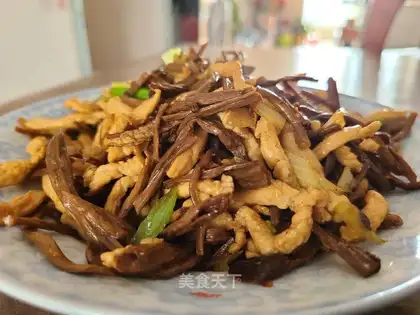
Dried tea tree mushrooms are a versatile ingredient that can be incorporated into a variety of dishes. Their meaty texture and earthy flavor make them a popular substitute for meat in vegetarian and vegan recipes. Here are some practical tips for using dried tea tree mushrooms:
1. Rehydration: Soak dried mushrooms in warm water for 20-30 minutes until soft. Squeeze out excess water before cooking. The soaking liquid can be used as a flavorful base for soups, stews, or sauces.
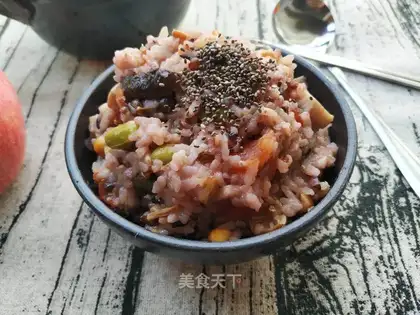
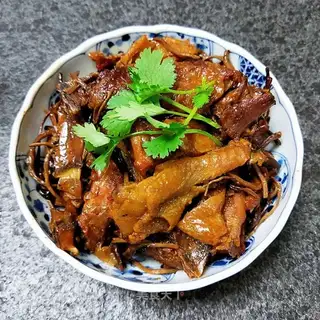
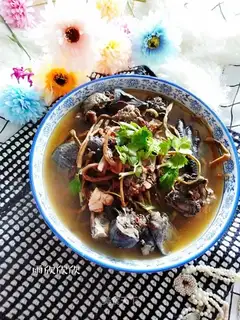
2. Cooking Methods: Tea tree mushrooms can be stir-fried, braised, added to soups, or used in casseroles. Their firm texture holds up well to prolonged cooking, making them ideal for hearty dishes.
3. Flavor Pairings: These mushrooms pair well with garlic, ginger, soy sauce, and sesame oil in Asian-inspired dishes. They also complement meats like chicken, beef, and pork, adding depth of flavor.
4. Storage: Store dried tea tree mushrooms in an airtight container in a cool, dry place. Properly stored, they can last for up to a year. Once rehydrated, they should be used within 2-3 days if stored in the refrigerator.
Conclusion
Dried tea tree mushrooms are a nutritional and medicinal treasure, offering a wealth of health benefits from immune support to chronic disease prevention. Their high protein, fiber, vitamin, and mineral content, combined with potent bioactive compounds, makes them a valuable addition to a balanced diet. However, it is important to consume them in moderation and take necessary precautions, especially for individuals with allergies, gout, or those taking medications. By incorporating these mushrooms into meals mindfully, you can harness their unique properties to enhance both your culinary experience and overall health. Whether you are a health enthusiast, a home cook, or someone seeking natural remedies, dried tea tree mushrooms are a superfood worth exploring.