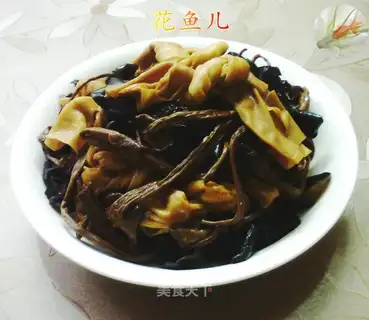
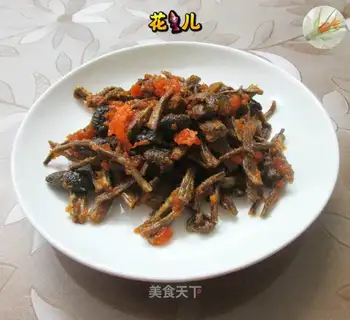
Tea tree mushrooms (Agaricus blazei or Hypsizygus marmoreus), named for their natural habitat on fallen trunks of the tea tree (Camellia sinensis), are a prized edible mushroom widely cultivated and consumed across Asia. With their tender, crunchy texture and subtle, umami-rich flavor, they have transcended traditional cuisine to gain global recognition as both a culinary delight and a nutritional powerhouse. Beyond their gastronomic appeal, tea tree mushrooms are celebrated for their impressive array of bioactive compounds, offering potential health benefits that range from immune modulation to metabolic support. However, like all foods, they must be consumed mindfully to avoid adverse effects. This article explores the nutritional profile, health benefits, and precautions associated with tea tree mushrooms, providing a comprehensive guide for incorporating this functional food into a balanced diet.
Nutritional Profile: A Treasure Trove of Essential Nutrients
Tea tree mushrooms are low in calories yet rich in essential nutrients, making them an ideal addition to weight-conscious and nutrient-dense diets. A 100-gram serving of fresh tea tree mushrooms contains approximately:
- Calories: 22–30 kcal
- Protein: 2.5–3.5 grams (comprising all essential amino acids, including lysine and leucine)
- Dietary Fiber: 5–7 grams (promoting digestive health)
- Carbohydrates: 4–6 grams (mostly complex carbs and dietary fiber)
- Fat: Less than 0.5 grams (predominantly unsaturated fatty acids)
Key Micronutrients
Tea tree mushrooms are a notable source of:
- B Vitamins: Riboflavin (B2), niacin (B3), and pantothenic acid (B5), which play critical roles in energy metabolism, nervous system function, and skin health.
- Minerals: Potassium (supports heart health), phosphorus (vital for bone health), iron (prevents anemia), and selenium (a potent antioxidant).
- Vitamin D: When exposed to sunlight during drying, fresh tea tree mushrooms can synthesize vitamin D2, a nutrient crucial for calcium absorption and immune regulation.
Bioactive Compounds
The true therapeutic potential of tea tree mushrooms lies in their unique bioactive compounds, including:
- Beta-Glucans: Polysaccharides with immunomodulatory effects, known to enhance macrophage activity and cytokine production.
- Ergosterol: A precursor to vitamin D, converted to ergocalciferol (D2) upon UV exposure.
- Antioxidants: Phenolic compounds, flavonoids, and selenium, which neutralize free radicals and reduce oxidative stress.
- Triterpenes: Compounds like ergosterol peroxide, which exhibit anti-inflammatory and anticancer properties in preclinical studies.
Health Benefits: From Immune Support to Disease Prevention
The combination of nutrients and bioactive compounds in tea tree mushrooms contributes to a wide range of health benefits, many of which are supported by scientific research.
1. Immune System Modulation
Beta-glucans, the most studied bioactive compounds in tea tree mushrooms, are recognized for their ability to enhance innate and adaptive immunity. They activate immune cells such as macrophages, natural killer (NK) cells, and T-lymphocytes, improving the body’s defense against pathogens. A 2018 study published in the Journal of Medicinal Food found that extracts from Agaricus blazei increased NK cell activity by 30% in human subjects, reducing the risk of viral and bacterial infections. Additionally, these polysaccharides stimulate the production of cytokines like interleukin-1 (IL-1) and interferon-gamma (IFN-γ), which regulate immune responses.
2. Anticancer Properties
Preclinical and clinical studies suggest that tea tree mushrooms may inhibit tumor growth and metastasis. Triterpenes and beta-glucans in the mushroom induce apoptosis (programmed cell death) in cancer cells while sparing healthy cells. For example, a 2020 study in Oncology Reports demonstrated that Agaricus blazei extract suppressed the proliferation of colorectal cancer cells by downregulating the PI3K/Akt signaling pathway. Furthermore, polysaccharides enhance the efficacy of chemotherapy by reducing side effects such as immunosuppression.
3. Antioxidant and Anti-Inflammatory Effects
Oxidative stress and chronic inflammation are underlying factors in aging, neurodegenerative diseases, and metabolic disorders. Tea tree mushrooms are rich in antioxidants that scavenge free radicals and reduce oxidative damage. A 2019 study in Food Chemistry found that phenolic compounds in tea tree mushrooms exhibited higher antioxidant activity than vitamin E in vitro. Additionally, ergosterol peroxide inhibits pro-inflammatory enzymes like cyclooxygenase-2 (COX-2), alleviating symptoms of conditions such as arthritis and inflammatory bowel disease (IBD).
4. Cardiovascular Health
Tea tree mushrooms support heart health through multiple mechanisms:
- Lowering Cholesterol: Beta-glucans reduce LDL (“bad”) cholesterol levels by inhibiting its absorption in the intestines.
- Regulating Blood Pressure: Potassium balances sodium levels, reducing hypertension risk.
- Preventing Atherosclerosis: Antioxidants prevent oxidative modification of LDL, a key step in plaque formation.
A 2017 study in Phytotherapy Research reported that consuming 100 grams of dried tea tree mushrooms daily for 8 weeks significantly reduced total cholesterol and triglycerides in patients with hyperlipidemia.
5. Metabolic Health and Diabetes Management
Tea tree mushrooms may improve insulin sensitivity and glycemic control, making them beneficial for individuals with type 2 diabetes. Polysaccharides enhance glucose uptake by cells by upregulating glucose transporter 4 (GLUT4) expression. A 2021 study in Journal of Ethnopharmacology found that Hypsizygus marmoreus extract reduced blood sugar levels by 25% in diabetic rats, comparable to the effects of the antidiabetic drug metformin.
6. Digestive Health
The high fiber content in tea tree mushrooms promotes gut health by:
- Preventing Constipation: Insoluble fiber adds bulk to stool, facilitating regular bowel movements.
- Nourishing Gut Microbiota: Soluble fiber acts as a prebiotic, stimulating the growth of beneficial bacteria like Bifidobacterium and Lactobacillus.
- Reducing Inflammation: Antioxidants alleviate gut inflammation, protecting against conditions like leaky gut syndrome.
Culinary Uses: Versatile and Flavorful
Tea tree mushrooms are celebrated for their culinary versatility, adapting to a wide range of dishes while retaining their texture and flavor. Here are popular ways to incorporate them into meals:
1. Stir-Fries and Sautés
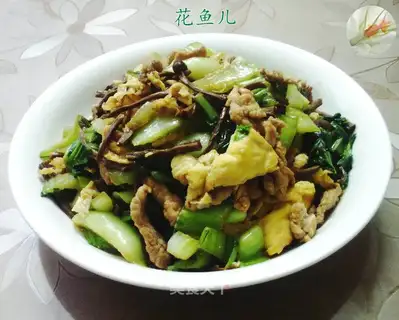
Their firm, crunchy texture makes them ideal for stir-fries. Pair them with vegetables, tofu, or meat (e.g., chicken, beef) and sauces like soy, oyster, or teriyaki. A classic dish is “tea tree mushroom with garlic,” where the mushrooms are sautéed in garlic, ginger, and sesame oil for a simple yet flavorful side.
2. Soups and Stews
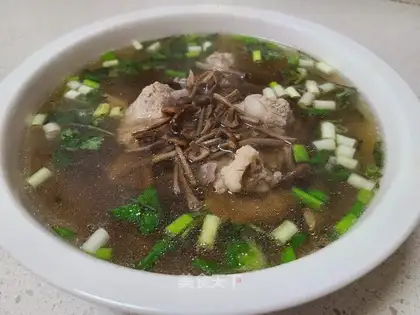
Dried tea tree mushrooms rehydrate to become meaty and absorbent, making them perfect for soups. They add depth to broths, hot pots, and stews. For example, in Chinese cuisine, they are often used in “mushroom hot pot” alongside ingredients like shiitake, enoki, and leafy greens.
3. Grilled or Roasted
Marinated tea tree mushrooms can be grilled or roasted, caramelizing their edges and enhancing their umami flavor. They work well as a plant-based “bacon” substitute when tossed with smoked paprika and soy sauce.
4. Salads and Appetizers
Fresh, young tea tree mushrooms can be thinly sliced and added to salads for a crunchy texture. They can also be stuffed with seasoned rice or vegetables and baked as an elegant appetizer.
Precautions and Potential Side Effects
While tea tree mushrooms are generally safe for most people, certain precautions must be taken to avoid adverse effects:
1. Allergic Reactions
Individuals with mushroom allergies may experience symptoms such as itching, swelling, or difficulty breathing. Those with known allergies should avoid tea tree mushrooms or consult a healthcare professional before consumption.
2. Pesticide and Heavy Metal Contamination
Like other cultivated mushrooms, tea tree mushrooms may absorb pesticides or heavy metals (e.g., cadmium, lead) from soil or water. To minimize risk, purchase mushrooms from reputable sources and opt for organic varieties when possible. Thorough washing and cooking further reduce contaminants.
3. Drug Interactions
Tea tree mushrooms may interact with blood-thinning medications (e.g., warfarin) due to their vitamin K content. Individuals taking such medications should monitor their intake and consult a doctor. Additionally, their immune-boosting effects may interfere with immunosuppressive drugs used by transplant recipients.
4. Digestive Discomfort
The high fiber content may cause bloating, gas, or diarrhea in sensitive individuals, especially when consumed in large quantities. Start with small servings (50–100 grams) and gradually increase intake to allow the digestive system to adapt.
5. Raw Consumption
Raw tea tree mushrooms contain chitin, a tough fiber that is difficult to digest and may cause stomach upset. Cooking breaks down chitin and enhances nutrient bioavailability, so mushrooms should always be thoroughly heated before consumption.
Conclusion
Tea tree mushrooms are a nutritional and functional food, offering a unique blend of essential nutrients, bioactive compounds, and culinary versatility. From immune support and cancer prevention to heart health and diabetes management, their potential health benefits are vast and increasingly supported by scientific evidence. However, mindful consumption is key—proper sourcing, thorough cooking, and awareness of allergies or drug interactions ensure their safe inclusion in a balanced diet. Whether stir-fried, simmered in soups, or grilled to perfection, tea tree mushrooms are a delicious and healthful addition to any meal, embodying the synergy of flavor and wellness that defines functional foods. As research continues to uncover their therapeutic potential, these humble mushrooms are poised to become a staple in global health-conscious diets.