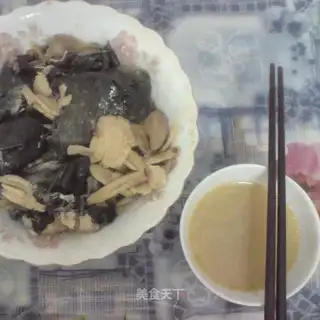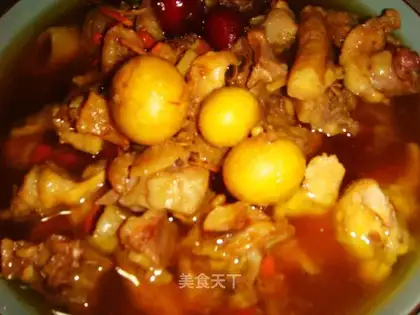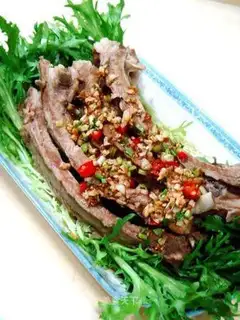
"Hand-grabbed mutton" has a history in our country for thousands of years. It used to be a good delicacy for nomadic people. "Hand-grabbed mutton" is most famous in my country's Inner Mongolia, Northwest China, and Qinghai-Tibet areas. It is also a big dish for friends from ethnic minorities and is very popular among Muslim friends. <br />"Hand-grabbed mutton" has its own special ingredients and practices in various places. Although there are slight differences in taste, the main practices are generally the same, except for slight differences in the use of condiments. <br />In the past, making "hand-grabbed mutton" was generally stewed with a casserole similar to a large urn. Later, in some places, large aluminum pots were used, but iron pots were never used because iron pots would oxidize some medicinal ingredients., and thus lose their due nutritional value, which is similar to boiling Chinese herbal medicine. Sand pots must be used. <br />The making of "hand-grabbed mutton" is very particular. Generally, ingredients must be poured into the soup according to the seasons. In winter, some regional specialties, such as tonics such as "wolfberry", should be put in the stewed mutton soup. In the spring and autumn seasons, Astragalus membranaceus and tangerine peel should be put in the soup, which can remove dryness and reduce the calories of the mutton, so as to achieve the warming effect. It does not taste as much as the calories in winter. In ethnic minority areas,"hand-grabbed mutton" is also eaten in summer, but relatively less. "Sheep" usually choose lamb meat. Generally, it is stewed with the whole rib in the waist of the sheep. The meat should be fat and lean to taste delicious. The rib of the sheep should not exceed the thickness of the tip of the little finger. Cook the mutton and dip it in the seasoning and eat it. <br />The one I made today is a "hand-grabbed mutton" in the spring and summer season. I put a small piece of astragalus and tangerine peel in the soup. I won't feel angry when eating it in this season. Based on summarizing the practices in the northwest, I made simple improvements in the use of condiments. It is also relatively easy to make and is most suitable for family production. Since there are no large-size casseroles and aluminum pots at home, I used a stainless steel pot instead for the time being. After preparing it, I had to switch it from the pot to the container immediately. It should not be stored in the stainless steel pot for too long to prevent the raw materials used in it. Oxidation. The specific practices are as follows;
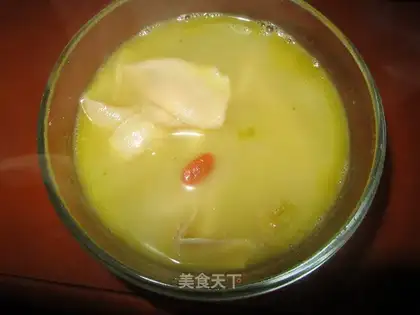
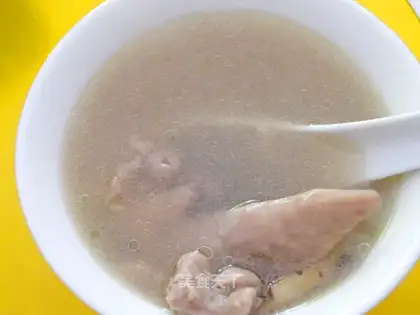
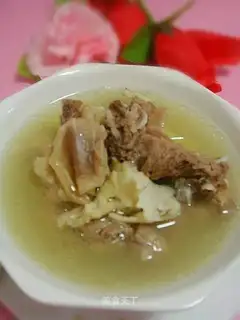
Lily is sweet, cool and clear, and mainly enters the lungs and heart. It is good at clearing the lungs, moistening dryness and relieving cough, clearing the heart and tranquilizing the nerves and calming the nerves. It is commonly used for cough due to dryness in the lungs, deficiency and restlessness.<br /> Coix rice strengthens the spleen and enriches the stomach, nourishes the lungs and clears heat, dispels the wind and suppresses dampness, nourishes the skin, and lightens the body and prolongs the life<br /><br /> My daughter-in-law has a bad voice recently, so she thought of using lily to make soup. It happened that my daughter-in-law likes to eat rice coix, so she made this rice and lily pork bone soup together.