Mushrooms have long been celebrated in global cuisines for their unique flavors, textures, and health-promoting properties. Among the diverse varieties, oyster mushrooms (Pleurotus ostreatus), commonly known as "xiuzhenjun" in Chinese, stand out as both a culinary delight and a nutritional powerhouse. With their delicate, oyster-like caps and mild, savory taste, oyster mushrooms have transcended traditional Asian markets to become a staple in kitchens worldwide. Beyond their culinary versatility, oyster mushrooms are packed with essential nutrients, offering a myriad of health benefits while remaining accessible to a wide range of diets. This article explores the nutritional profile, health benefits, and important considerations for consuming oyster mushrooms, providing a comprehensive guide for food enthusiasts and health-conscious individuals alike.
I. Nutritional Profile of Oyster Mushrooms
Oyster mushrooms are low in calories yet rich in essential nutrients, making them an ideal addition to a balanced diet. A 100-gram serving of fresh oyster mushrooms contains approximately:
- Macronutrients:
- Calories: 33 kcal, making them a weight-friendly food.
- Protein: 3 grams, providing all nine essential amino acids, including lysine and leucine, which are often lacking in plant-based diets.
- Carbohydrates: 6 grams, with 2 grams being dietary fiber, aiding digestion and promoting gut health.
- Fat: Less than 1 gram, predominantly heart-healthy unsaturated fats.
- Micronutrients:
- B Vitamins: Oyster mushrooms are exceptional sources of B vitamins, including niacin (B3), riboflavin (B2), and pantothenic acid (B5). These vitamins play critical roles in energy metabolism, nervous system function, and skin health. For instance, niacin helps convert food into energy and supports DNA repair.
- Minerals: They are rich in potassium (300 mg per 100 grams), which regulates blood pressure and fluid balance; iron (2.6 mg), essential for oxygen transport; and copper (0.4 mg), which supports iron absorption and antioxidant defense. Additionally, they provide phosphorus, selenium, and zinc, all vital for immune function and cellular health.
- Antioxidants: Oyster mushrooms contain potent antioxidants like ergothioneine, a unique amino acid that protects cells from oxidative stress, and polyphenols, which reduce inflammation. They also boast glutathione, a "master antioxidant" that detoxifies the body and supports liver health.
- Unique Compounds:
- Beta-Glucans: These soluble fibers are well-known for their immune-boosting properties. Beta-glucans stimulate macrophages and natural killer (NK) cells, enhancing the body’s ability to fight infections and chronic diseases.
- Lovastatin: Naturally occurring in oyster mushrooms, this compound helps lower cholesterol levels by inhibiting HMG-CoA reductase, an enzyme involved in cholesterol synthesis. Studies suggest that regular consumption may reduce the risk of cardiovascular disease.
II. Health Benefits of Oyster Mushrooms
The combination of nutrients and bioactive compounds in oyster mushrooms contributes to a wide range of health benefits, from immune support to chronic disease prevention.
1. Immune System Enhancement
Oyster mushrooms are renowned for their immunomodulatory effects, primarily due to beta-glucans and ergothioneine. Research shows that these compounds activate immune cells, improving the body’s response to bacterial, viral, and fungal infections. A 2018 study published in the Journal of Medicinal Food found that oyster mushroom extract increased the activity of NK cells by 60% in participants, highlighting its potential as a natural immune booster.
2. Cardiovascular Health Support
Heart disease remains a leading global cause of death, but oyster mushrooms offer a dietary defense. Their high potassium content helps lower blood pressure by counteracting the effects of sodium, while their low fat and zero cholesterol levels make them heart-healthy alternatives to meat. Furthermore, lovastatin and polyphenols reduce LDL ("bad") cholesterol and prevent the oxidation of lipids, a key step in atherosclerosis development. A 2020 study in Phytotherapy Research confirmed that consuming oyster mushrooms for 8 weeks significantly reduced triglyceride levels by 12% in adults with hyperlipidemia.
3. Anticancer Properties
Preliminary studies suggest that oyster mushrooms may inhibit cancer growth and metastasis. Beta-glucans induce apoptosis (programmed cell death) in cancer cells and block tumor angiogenesis (the formation of new blood vessels that feed tumors). Additionally, ergothioneine protects DNA from damage caused by free radicals, reducing cancer risk. While human trials are limited, laboratory research indicates that oyster mushroom extracts suppress the proliferation of breast, colon, and prostate cancer cells.
4. Blood Sugar Regulation
For individuals with diabetes or prediabetes, oyster mushrooms can be a valuable dietary addition. Their high fiber content slows carbohydrate digestion, preventing rapid spikes in blood sugar. Moreover, certain polysaccharides in oyster mushrooms enhance insulin sensitivity, allowing cells to utilize glucose more efficiently. A 2019 study in Journal of Ethnopharmacology found that diabetic rats fed oyster mushroom extract had 30% lower blood sugar levels than the control group, demonstrating antidiabetic potential.
5. Gut Health and Digestion
The fiber in oyster mushrooms acts as a prebiotic, nourishing beneficial gut bacteria like Bifidobacterium and Lactobacillus. A healthy gut microbiome is linked to improved digestion, reduced inflammation, and even mental health benefits. Additionally, the fiber adds bulk to stool, alleviating constipation and promoting regular bowel movements.
6. Weight Management
Low in calories and high in fiber and protein, oyster mushrooms are a filling food that can aid weight loss. Protein increases satiety, reducing overall calorie intake, while fiber slows stomach emptying, keeping you full longer. Replacing high-calorie ingredients like meat with oyster mushrooms in meals can create a calorie deficit without sacrificing flavor or nutrients.
III. Culinary Uses and Versatility
Beyond their health benefits, oyster mushrooms are prized for their culinary adaptability. With a mild, umami-rich flavor and tender texture, they complement a variety of dishes:
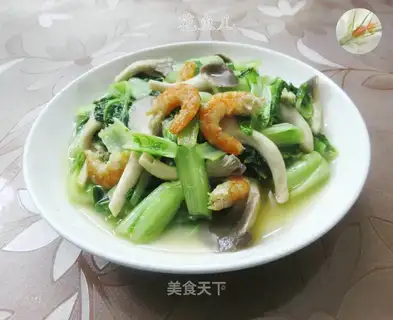
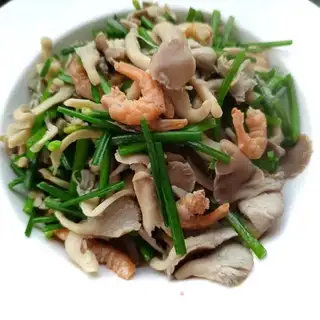
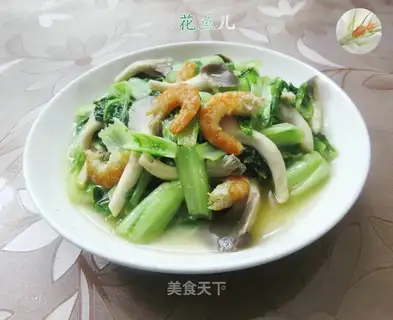
- Stir-fries and Sautéing: Oyster mushrooms absorb sauces and spices beautifully, making them ideal for Asian-inspired stir-fries, pasta dishes, and vegetable medleys.
- Soups and Stews: Their delicate texture holds up well in soups, adding depth to broths and cream-based dishes like cream of mushroom soup.
- Grilling and Roasting: Grilling oyster mushrooms enhances their smoky flavor, while roasting caramelizes their edges, creating a meaty texture.
- Plant-Based Meats: Due to their chewy texture, oyster mushrooms are often used as a meat substitute in dishes like "mushroom bacon" or vegan tacos.
They are available fresh or dried, with dried mushrooms offering a more concentrated flavor rehydrated in warm water.
IV. Precautions and Potential Side Effects
While oyster mushrooms are generally safe for most people, certain precautions should be taken:
1. Allergic Reactions
Though rare, some individuals may experience allergic reactions to oyster mushrooms, including itching, swelling, or digestive discomfort. Those with mushroom allergies should avoid them entirely.
2. Cooking is Essential
Raw oyster mushrooms contain chitin, a tough fiber that is difficult to digest and may cause gastrointestinal upset. Cooking breaks down chitin and neutralizes potential antinutrients, making the nutrients more bioavailable. Always cook oyster mushrooms thoroughly before consumption.
3. Interaction with Medications
Oyster mushrooms may have mild blood-thinning effects due to their vitamin K content. Individuals taking anticoagulants (e.g., warfarin) should consume them consistently to avoid interfering with medication efficacy.
4. Sourcing and Freshness
Like all mushrooms, oyster mushrooms are prone to bacterial contamination if not stored properly. Choose fresh, firm mushrooms with no slimy patches or mold. Store them in a paper bag in the refrigerator for up to a week to maintain freshness.
5. Not for Everyone
People with autoimmune disorders (e.g., lupus, rheumatoid arthritis) should consult a doctor before consuming oyster mushrooms, as beta-glucans may overstimulate the immune system in some cases.
V. Conclusion
Oyster mushrooms are a nutritional and culinary gem, offering a rare combination of flavor, versatility, and health benefits. From boosting immunity and supporting heart health to aiding weight management and blood sugar control, these mushrooms are a valuable addition to any diet. Their low calorie and high nutrient density make them suitable for vegans, vegetarians, and meat-eaters alike, while their culinary adaptability ensures they never bore the palate.
However, as with any food, moderation and proper preparation are key. By cooking them thoroughly and being mindful of potential allergies or medication interactions, anyone can safely enjoy the remarkable benefits of oyster mushrooms. Whether you’re a health enthusiast, a home cook, or simply curious about expanding your culinary horizons, oyster mushrooms are a worthy ingredient to explore—proving that nature’s simplest foods often hold the greatest power.