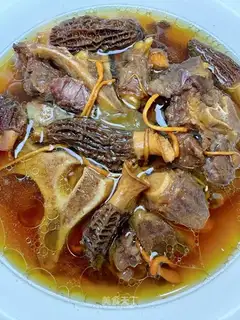
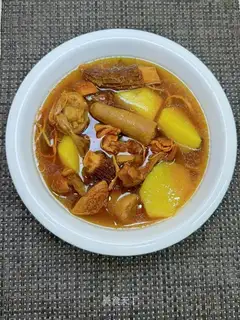
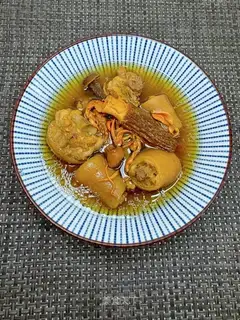
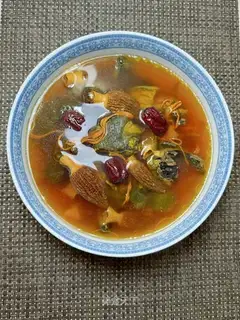
In the realm of natural superfoods, few ingredients boast as fascinating a backstory and as diverse a health profile as cordyceps flowers (Cordyceps militaris). Often mistaken for a type of mushroom or flower, this golden-orange fungus is the fruiting body of a parasitic fungus that has been revered in traditional Chinese medicine (TCM) for centuries. Today, modern science is unraveling the secrets behind its potent nutritional composition and therapeutic potential, making it a staple in health-conscious diets worldwide. This article delves into the nutritional value of cordyceps flowers, their evidence-based health benefits, and important precautions to ensure safe consumption.
Nutritional Composition: A Treasure Trove of Bioactive Compounds
Cordyceps flowers are often called “medicinal mushrooms” due to their rich array of bioactive compounds, which set them apart from common culinary fungi. Unlike typical mushrooms, which are rich in polysaccharides, cordyceps flowers stand out for their unique combination of cordycepin, adenosine, polysaccharides, peptides, and essential nutrients.
1. Cordycepin: The "Star Compound"
Cordycepin (3′-deoxyadenosine) is the most bioactive compound in cordyceps flowers, responsible for many of its health-promoting effects. Structurally similar to adenosine (a key molecule in cellular energy metabolism), cordycepin exhibits anti-inflammatory, antioxidant, and anticancer properties. Studies show it inhibits tumor growth by suppressing DNA replication in cancer cells and induces apoptosis (programmed cell death) in certain cancer lines, including lung and breast cancer. Additionally, cordycepin enhances mitochondrial function, boosting cellular energy production (ATP synthesis), which is why it is often associated with improved stamina and fatigue reduction.
2. Adenosine: Supporting Cardiovascular Health
Adenosine, another nucleoside in cordyceps flowers, plays a critical role in regulating blood flow and oxygen delivery. It acts as a vasodilator, relaxing blood vessels to improve circulation and reduce blood pressure. This makes cordyceps flowers particularly beneficial for individuals with cardiovascular concerns, such as hypertension or atherosclerosis. Adenosine also has antiplatelet effects, preventing excessive blood clotting and lowering the risk of thrombosis.
3. Polysaccharides: Immune Modulators
Cordyceps flowers are rich in beta-glucans, a type of polysaccharide known for its immune-enhancing properties. These polysaccharides activate macrophages (immune cells that "eat" pathogens) and natural killer (NK) cells, enhancing the body’s ability to fight infections and viruses. Research also indicates that beta-glucans reduce chronic inflammation by inhibiting pro-inflammatory cytokines (e.g., TNF-α, IL-6), making cordyceps flowers a valuable ally for managing autoimmune conditions or inflammatory disorders like arthritis.
4. Peptides and Amino Acids
The fungus contains bioactive peptides, such as cordycepin-binding peptides, which exhibit antioxidant and anti-aging effects. These peptides neutralize free radicals, reducing oxidative stress—a key driver of cellular aging and chronic diseases. Additionally, cordyceps flowers provide essential amino acids (e.g., lysine, leucine) and trace minerals (e.g., iron, zinc, selenium), supporting muscle repair, immune function, and overall metabolic health.
5. Vitamins and Antioxidants
While not as vitamin-dense as fruits or vegetables, cordyceps flowers contain modest amounts of B vitamins (e.g., B1, B2) and vitamin E, which contribute to energy metabolism and skin health. Their high antioxidant capacity, measured by the ORAC (Oxygen Radical Absorbance Capacity) assay, surpasses many common foods, helping to protect cells from oxidative damage caused by pollution, UV radiation, and poor diet.
Health Benefits: From Traditional Medicine to Modern Science
The use of cordyceps flowers dates back to ancient Tibetan and Chinese medicine, where they were prescribed for "tonifying the kidneys," "strengthening the lungs," and "prolonging life." Today, scientific research validates many of these traditional claims, highlighting their potential in treating a range of health conditions.
1. Enhanced Athletic Performance and Stamina
One of the most well-documented benefits of cordyceps flowers is their ability to improve physical endurance. By increasing ATP production and oxygen utilization, they delay fatigue during exercise. A study published in the Journal of Alternative and Complementary Medicine found that athletes who consumed cordyceps supplements for 8 weeks showed a significant improvement in VO2 max (a measure of aerobic capacity) and exercise performance compared to the placebo group. This makes cordyceps flowers popular among athletes, fitness enthusiasts, and individuals with chronic fatigue syndrome.
2. Respiratory Health Support
In TCM, cordyceps flowers are used to treat respiratory ailments such as asthma, bronchitis, and tuberculosis. Modern research supports this use: cordycepin and polysaccharides reduce airway inflammation by inhibiting eosinophil infiltration (a key player in allergic asthma) and relaxing bronchial smooth muscles. A 2019 study in Phytomedicine found that cordyceps extract improved lung function in patients with chronic obstructive pulmonary disease (COPD) by reducing oxidative stress and inflammation in the lungs.
3. Immune System Regulation
Cordyceps flowers act as an "immunomodulator," meaning they balance immune function—boosting it when weakened (e.g., during illness or aging) and suppressing it when overactive (e.g., in autoimmune diseases). For example, they enhance the activity of T-cells and B-cells, improving the body’s response to vaccines and infections. Conversely, they reduce excessive inflammation in conditions like rheumatoid arthritis by inhibiting NF-κB, a signaling pathway that promotes inflammation.
4. Blood Sugar and Cholesterol Management
Cordyceps flowers show promise in managing metabolic disorders. Polysaccharides and cordycepin improve insulin sensitivity by activating AMPK (a key enzyme in glucose metabolism), helping to lower blood sugar levels in individuals with type 2 diabetes. Additionally, they reduce LDL ("bad") cholesterol and triglycerides while increasing HDL ("good") cholesterol, thanks to their ability to inhibit cholesterol synthesis in the liver. A 2020 meta-analysis in Frontiers in Pharmacology confirmed that cordyceps supplementation significantly improved lipid profiles in diabetic patients.
5. Anti-Aging and Longevity
Oxidative stress and mitochondrial dysfunction are central to aging. Cordyceps flowers combat both by enhancing mitochondrial biogenesis (the creation of new mitochondria) and neutralizing free radicals. Cordycepin, in particular, activates sirtuins ("longevity genes") that regulate cellular repair and aging. Animal studies show that cordyceps extend lifespan by up to 30% in worms and flies, though human trials are needed to confirm these effects.
6. Liver and Kidney Protection
Traditional medicine uses cordyceps flowers to "nourish the kidneys," and modern research supports their role in protecting these vital organs. Cordycepin reduces liver inflammation and fibrosis in patients with non-alcoholic fatty liver disease (NAFLD) by inhibiting hepatic stellate cell activation (a key step in liver scarring). For kidney health, cordyceps reduce oxidative stress and proteinuria (excess protein in urine) in individuals with chronic kidney disease (CKD), improving renal function.
Precautions and Potential Side Effects
While cordyceps flowers are generally safe for most people, certain precautions must be taken to avoid adverse effects or interactions.
1. Who Should Avoid Cordyceps Flowers?
- Autoimmune Diseases: Individuals with conditions like lupus, multiple sclerosis, or rheumatoid arthritis should avoid cordyceps, as they may overstimulate the immune system, worsening symptoms.
- Bleeding Disorders: Cordyceps have mild anticoagulant effects, increasing the risk of bleeding in people with hemophilia or those taking blood-thinning medications (e.g., warfarin, aspirin).
- Pregnancy and Breastfeeding: There is insufficient safety data for cordyceps use during pregnancy or breastfeeding, so women should avoid them unless advised by a healthcare provider.
- Surgery: Stop taking cordyceps at least 2 weeks before surgery, as they may increase bleeding during and after the procedure.
2. Possible Side Effects
Side effects are rare but may include mild digestive issues (e.g., nausea, diarrhea), dry mouth, or dizziness. These are usually temporary and resolve with reduced dosage. Allergic reactions (e.g., rash, difficulty breathing) are uncommon but possible in individuals sensitive to fungi.
3. Drug Interactions
Cordyceps may interact with medications, including:
- Immunosuppressants: Combining cordyceps with drugs like cyclosporine may reduce their effectiveness.
- Diabetes Medications: Cordyceps may enhance the effects of insulin or oral diabetes drugs, increasing the risk of hypoglycemia (low blood sugar). Monitor blood sugar levels closely if taken together.
- Blood Pressure Medications: Due to their vasodilatory effects, cordyceps may amplify the effects of antihypertensive drugs, leading to low blood pressure.
4. Quality and Dosage
Not all cordyceps products are created equal. Choose supplements from reputable brands that use certified organic cordyceps flowers and third-party testing to ensure purity and potency. The typical dosage for capsules or extracts is 1–3 grams per day, while culinary use (e.g., in soups or teas) is generally safe in moderation. Avoid synthetic cordycepin products, as they may lack the full spectrum of compounds found in natural cordyceps flowers.
Conclusion
Cordyceps flowers are a nutritional and medicinal powerhouse, offering a unique blend of bioactive compounds that support energy, immunity, heart health, and more. From enhancing athletic performance to managing chronic diseases, their benefits are backed by both traditional wisdom and modern science. However, like any supplement, they should be used mindfully, with attention to individual health conditions and potential interactions. When sourced and consumed responsibly, cordyceps flowers can be a valuable addition to a balanced diet, promoting vitality and longevity for years to come. As research continues to uncover their full potential, these golden fungi are poised to remain a cornerstone of natural health and wellness.