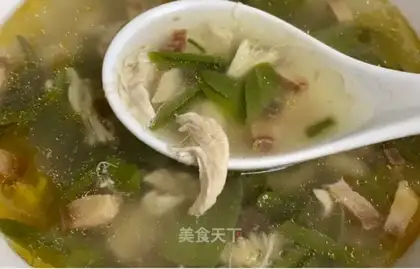
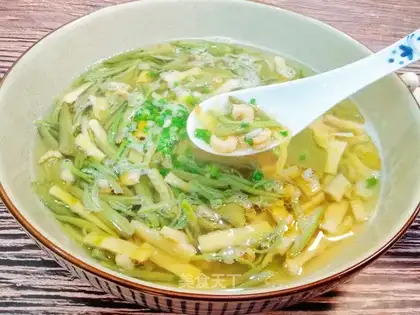
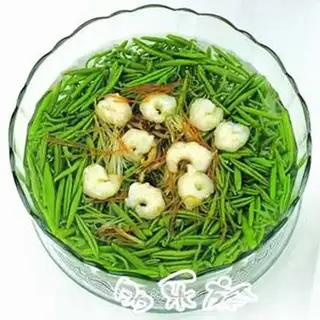
Nestled in the tranquil waters of East Asian lakes and rivers, water shield (Brasenia schreberi), known as “莼菜” (chún cài) in Chinese, has been cherished for over 2,000 years not only for its ethereal texture but also for its remarkable nutritional and medicinal properties. This aquatic herb, with its vibrant green, translucent leaves and slimy mucilage, holds a revered place in Chinese cuisine and traditional medicine. Today, as global interest in functional foods grows, water shield is gaining recognition beyond its cultural origins. This article explores the nutritional profile of water shield, its evidence-based health benefits, and important precautions for consumption, offering a comprehensive guide to this “aquatic gem.”
I. Nutritional Profile: A Treasure Trove of Bioactive Compounds
Water shield’s nutritional value lies in its unique combination of vitamins, minerals, polyphenols, and mucilaginous fibers, making it a low-calorie yet nutrient-dense food. A 100-gram serving of fresh water shield contains approximately 20–30 calories, 1–2 grams of protein, and negligible fat, making it an ideal choice for weight-conscious diets. Its true merit, however, lies in its micronutrient and phytochemical content.
1. Vitamins and Minerals
Water shield is rich in fat-soluble and water-soluble vitamins. It provides significant amounts of vitamin K (essential for blood clotting and bone metabolism), vitamin C (a potent antioxidant that supports immune function and skin health), and folate (critical for DNA synthesis and cell division). Notably, its vitamin C content (up to 15 mg per 100 grams) is comparable to that of spinach, while its vitamin K levels (up to 20 micrograms) contribute to daily bone health requirements.
Mineral-wise, water shield is a good source of calcium (50–60 mg per 100 grams), vital for teeth and bones, and iron (0.5–1 mg), which aids in hemoglobin production. It also contains magnesium, potassium, and manganese, minerals that regulate muscle function, blood pressure, and antioxidant defense.
2. Mucilage: The Star Component
The most distinctive feature of water shield is its mucilage—a gel-like substance secreted by the leaves and stems. Composed of polysaccharides (such as fucose, rhamnose, and galactose), mucilage gives water shield its signature slimy texture. This compound acts as a natural emulsifier and thickener but also offers therapeutic benefits. Mucilage coats the digestive tract, soothing irritation and inflammation, making it valuable for managing gastrointestinal disorders like gastritis or ulcers.
3. Polyphenols and Antioxidants
Water shield is packed with polyphenolic compounds, including flavonoids (e.g., quercetin) and phenolic acids (e.g., caffeic acid), which exhibit strong antioxidant activity. These compounds neutralize free radicals—unstable molecules that cause oxidative stress, linked to chronic diseases like cancer, diabetes, and neurodegenerative disorders. Studies suggest that water shield’s polyphenols may have higher antioxidant capacity than many common vegetables, such as lettuce or cucumber.
4. Fatty Acids
Though low in fat, water shield contains beneficial omega-3 fatty acids, particularly alpha-linolenic acid (ALA). ALA is a plant-based omega-3 that supports heart health by reducing inflammation, lowering triglycerides, and improving blood vessel function. While its ALA content is modest (0.1–0.2 grams per 100 grams), it complements a heart-healthy diet.
II. Health Benefits: From Traditional Wisdom to Modern Science
For centuries, water shield has been used in traditional Chinese medicine (TCM) to “clear heat, detoxify the body, and promote digestion.” Modern research is now validating many of these claims, highlighting its potential in preventing and managing various health conditions.
1. Anti-Inflammatory and Gastroprotective Effects
The mucilage in water shield is a natural anti-inflammatory agent. It forms a protective layer over the stomach lining, reducing irritation from gastric acid or spicy foods. A 2018 study published in the Journal of Ethnopharmacology found that water shield extract significantly reduced gastric ulcers in rats by inhibiting inflammatory cytokines (e.g., TNF-α and IL-6) and boosting antioxidant enzymes (e.g., superoxide dismutase). For humans, this translates to relief from symptoms like acid reflux, gastritis, and indigestion.
2. Immune System Support
The combination of vitamin C, polyphenols, and polysaccharides in water shield enhances immune function. Vitamin C stimulates the production of white blood cells, while polyphenols modulate immune responses and reduce inflammation. Polysaccharides, in particular, have been shown to activate macrophages—cells that engulf pathogens—thereby strengthening the body’s defense against infections. Regular consumption may help reduce the frequency of colds and flu.
3. Anticancer Potential
Emerging research suggests that water shield’s polyphenols may inhibit cancer cell growth. Quercetin, a key flavonoid in water shield, has been shown to induce apoptosis (programmed cell death) in breast and colon cancer cells in vitro. Additionally, its antioxidant properties protect DNA from damage caused by free radicals, potentially lowering cancer risk. While human trials are limited, these findings warrant further investigation.
4. Cardiovascular Health
Water shield’s omega-3 fatty acids, potassium, and antioxidants collectively support heart health. ALA helps reduce LDL (“bad”) cholesterol and triglycerides, while potassium regulates blood pressure by balancing sodium levels. A 2020 study in Nutrients linked regular consumption of polyphenol-rich foods to a 15% lower risk of cardiovascular disease. For individuals with hypertension or high cholesterol, incorporating water shield into a balanced diet may offer protective benefits.
5. Weight Management and Blood Sugar Control
With its low calorie and high fiber content, water shield is a valuable food for weight management. The mucilage slows gastric emptying, promoting satiety and reducing overeating. Furthermore, its soluble fiber helps stabilize blood sugar levels by slowing carbohydrate absorption. This makes it particularly beneficial for individuals with type 2 diabetes or prediabetes. A 2019 animal study found that water shield extract improved insulin sensitivity and reduced blood glucose in diabetic rats.
6. Skin and Anti-Aging Benefits
The antioxidants in water shield combat oxidative stress, a major contributor to skin aging. Vitamin C also plays a key role in collagen synthesis, maintaining skin elasticity and reducing wrinkles. Additionally, its anti-inflammatory properties may alleviate skin conditions like eczema or acne by soothing irritation. For those seeking natural anti-aging solutions, water shield’s topical and dietary benefits make it a compelling choice.
III. Precautions and Potential Side Effects
While water shield is generally safe for most people, certain precautions should be taken to avoid adverse effects.
1. Mucilage and Digestive Sensitivity
The high mucilage content, while beneficial for digestion, may cause mild bloating or discomfort in individuals with sensitive stomachs or irritable bowel syndrome (IBS). It is advisable to start with small portions (e.g., 1–2 tablespoons) and gradually increase intake to assess tolerance.
2. Pesticide and Heavy Metal Contamination
As an aquatic plant, water shield may absorb pollutants from its environment, such as pesticides, heavy metals (e.g., lead, mercury), or agricultural runoff. To minimize risk, choose certified organic or wild-harvested water shield from clean water sources. Thorough washing and cooking (e.g., boiling) can further reduce contaminants.
3. Drug Interactions
Water shield’s high vitamin K content may interfere with blood-thinning medications like warfarin, which work by inhibiting vitamin K-dependent clotting factors. Individuals taking such medications should consume water shield consistently and in moderation, and consult their healthcare provider to avoid dosage imbalances.
4. Allergic Reactions
Though rare, allergic reactions to water shield have been reported, particularly in individuals with allergies to other aquatic plants (e.g., watercress or duckweed). Symptoms may include itching, hives, or swelling. Those with known plant allergies should exercise caution and discontinue use if adverse reactions occur.
5. Pregnancy and Breastfeeding
Pregnant and breastfeeding women should consume water shield in moderation due to its uterine-stimulating properties (based on traditional use). While no direct studies confirm harm, it is best to consult a healthcare provider before including it in the diet.
IV. Culinary Uses and Incorporation into the Diet
Water shield’s delicate flavor and slimy texture make it a versatile ingredient in both traditional and modern cuisine. In China, it is most famously used in West Lake Fish Soup (西湖莼菜汤), a dish where tender fish fillets are simmered with water shield, creating a light, umami-rich broth. It can also be stir-fried with garlic and mushrooms, added to salads for a unique texture, or used as a thickener in soups and stews.
For those new to water shield, here are simple ways to incorporate it:
- Soups and Stews: Add fresh or canned water shield during the last 5 minutes of cooking to preserve its texture and nutrients.
- Salads: Blanch water shield briefly, then toss with sesame oil, soy sauce, and tofu for a refreshing side dish.
- Smoothies: Blend a small amount of water shield into smoothies for an extra fiber and nutrient boost (its mild flavor pairs well with fruits like banana or mango).
V. Conclusion
Water shield is more than just a culinary delicacy—it is a nutritional powerhouse with a rich history of medicinal use. Its unique combination of mucilage, polyphenols, vitamins, and minerals offers a wide range of health benefits, from reducing inflammation and supporting immunity to promoting heart health and skin vitality. While precautions are necessary for certain populations, its overall safety and versatility make it an excellent addition to a balanced diet. As global interest in functional foods grows, water shield is poised to transition from a regional specialty to a global superfood, bridging the gap between traditional wisdom and modern nutrition.
Whether enjoyed in a steaming bowl of soup or a crisp salad, this aquatic gem reminds us that nature’s simplest offerings often hold the greatest potential for health and well-being.