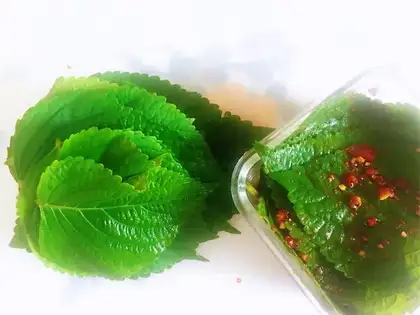
Perilla leaves, known as si-ge in Korean, shiso in Japanese, and su zi ye in Chinese, are aromatic herbs widely used in East Asian cuisine and traditional medicine. With their distinctive frilly edges, vibrant purple or green hues, and a unique flavor profile—resembling a blend of mint, basil, and anise—perilla leaves have transcended cultural borders to gain global recognition. Beyond their culinary appeal, these leaves are packed with nutrients and bioactive compounds that offer a range of health benefits. However, like any potent natural ingredient, they must be consumed mindfully. This article explores the nutritional value, health benefits, and potential risks associated with perilla leaves, providing a comprehensive guide for incorporating this versatile herb into a balanced diet.
I. Nutritional Value of Perilla Leaves
Perilla leaves are a nutritional powerhouse, offering a rich profile of vitamins, minerals, antioxidants, and essential fatty acids. Their composition makes them a valuable addition to diets aimed at enhancing overall health.
1. Vitamins and Minerals
Perilla leaves are exceptionally high in vitamin K, a critical nutrient for blood clotting and bone health. Just 100 grams of fresh perilla leaves provide approximately 526% of the daily recommended intake (DRI) of vitamin K, surpassing even spinach and kale. They are also a good source of vitamin A, in the form of beta-carotene, which supports vision, immune function, and skin health. Additionally, perilla leaves contain significant amounts of vitamin C (an antioxidant that boosts immunity and collagen production) and folate (essential for DNA synthesis and cell division).
Mineral-wise, perilla leaves are rich in calcium (for bone and muscle health), iron (preventing anemia), and potassium (regulating blood pressure and fluid balance). They also provide smaller quantities of magnesium, phosphorus, and manganese, all of which play vital roles in metabolic processes.
2. Antioxidants and Bioactive Compounds
The most notable health-promoting compounds in perilla leaves are rosmarinic acid, luteolin, and perillaldehyde. Rosmarinic acid, a polyphenol with potent anti-inflammatory and antioxidant properties, is abundant in perilla leaves and has been studied for its ability to neutralize free radicals—unstable molecules that cause oxidative stress and chronic diseases. Luteolin, a flavonoid, further enhances antioxidant activity and supports brain health by reducing neuroinflammation. Perillaldehyde, the compound responsible for perilla’s distinctive aroma, exhibits antimicrobial, anti-allergic, and analgesic effects.
3. Essential Fatty Acids
Perilla seeds are renowned for their high content of alpha-linolenic acid (ALA), an omega-3 fatty acid that supports heart and brain health. While the leaves contain less ALA than the seeds, they still contribute to a diet rich in plant-based omega-3s, which are particularly beneficial for individuals following vegetarian or vegan diets.
II. Health Benefits of Perilla Leaves
The combination of nutrients and bioactive compounds in perilla leaves underpins a wide range of health benefits, from reducing inflammation to supporting digestive health.
1. Anti-Inflammatory and Antioxidant Effects
Chronic inflammation is a root cause of many diseases, including arthritis, heart disease, and cancer. Perilla leaves’ high concentration of rosmarinic acid and luteolin makes them a natural anti-inflammatory agent. Studies have shown that these compounds inhibit the production of pro-inflammatory enzymes (such as COX-2) and cytokines (such as TNF-α and IL-6), thereby alleviating symptoms of inflammatory conditions like rheumatoid arthritis. Additionally, their antioxidant properties protect cells from oxidative damage, lowering the risk of chronic diseases and slowing the aging process.
2. Respiratory Health Relief
In traditional East Asian medicine, perilla leaves have long been used to treat respiratory ailments such as asthma, bronchitis, and allergies. Perillaldehyde acts as a natural antihistamine, reducing the production of histamine—the chemical responsible for allergic reactions like sneezing, itching, and nasal congestion. Research indicates that perilla leaf extract can relax airway muscles, improve lung function, and reduce mucus production, making it a promising complementary therapy for respiratory disorders.
3. Digestive Support
Perilla leaves promote digestive health by stimulating the secretion of digestive enzymes and reducing gut inflammation. Their fiber content aids in regular bowel movements, preventing constipation, while their antimicrobial properties help balance gut microbiota by inhibiting the growth of harmful bacteria like E. coli and Salmonella. In some cultures, perilla leaf tea is consumed after meals to alleviate bloating and indigestion.
4. Cardiovascular Health
The omega-3 fatty acids and antioxidants in perilla leaves contribute to heart health by lowering LDL (“bad”) cholesterol, reducing triglycerides, and preventing the oxidation of lipids—a key step in the development of atherosclerosis. Potassium, another key nutrient, helps regulate blood pressure by counteracting the effects of sodium. Regular consumption of perilla leaves may therefore reduce the risk of hypertension, heart attacks, and strokes.
5. Brain Health and Cognitive Function
Luteolin and omega-3 fatty acids in perilla leaves have neuroprotective effects. They enhance blood flow to the brain, reduce neuroinflammation, and promote the growth of new brain cells (neurogenesis). Animal studies suggest that perilla leaf extract may improve memory and cognitive function, potentially lowering the risk of neurodegenerative diseases like Alzheimer’s and Parkinson’s.
6. Skin Health
The vitamin C and antioxidant content of perilla leaves supports skin health by neutralizing free radicals that cause premature aging (such as wrinkles and fine lines). Vitamin C also stimulates collagen production, keeping the skin firm and elastic. Additionally, perilla leaf extracts are used in some skincare products for their anti-inflammatory properties, which can soothe conditions like eczema and acne.
III. Culinary Uses of Perilla Leaves
Beyond their health benefits, perilla leaves are a staple in East Asian cuisine, valued for their flavor and versatility.
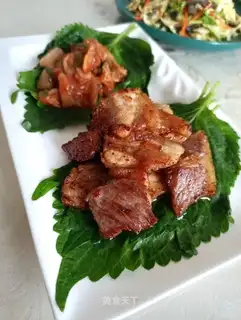
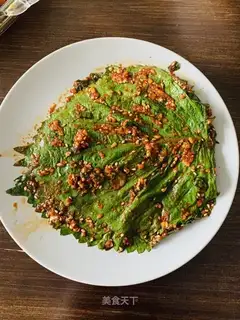
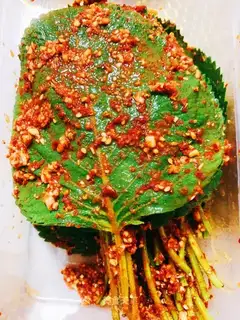
- Korean Cuisine: In Korea, kaennip (green perilla leaves) are used to wrap grilled meats (such as samgyeopsal) or vegetables, adding a fresh, aromatic element. They are also pickled (kkaennip-jangajji) or stir-fried with garlic and soy sauce.
- Japanese Cuisine: Shiso leaves are a common garnish for sushi, sashimi, and salads. Red shiso is used to make umeboshi (pickled plums) and shiso-jime (pressed mackerel), while green shiso is often chopped into yakisoba or infused into vinegar.
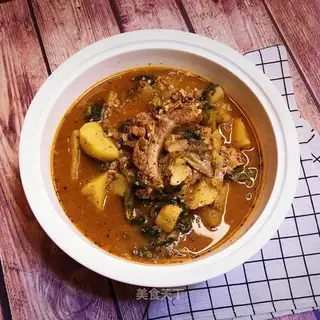
- Chinese Cuisine: In China, perilla leaves are added to soups, stir-fries, and cold dishes. They are also used to make zisu tea, a traditional remedy for colds and nausea.
- International Fusion: Chefs worldwide now incorporate perilla leaves into Western dishes, such as pesto, cocktails, and desserts, leveraging their unique flavor to add depth and complexity.
IV. Precautions and Potential Risks
While perilla leaves offer numerous health benefits, they are not suitable for everyone. Certain precautions must be taken to avoid adverse effects.
1. Allergic Reactions
Individuals with allergies to mint, basil, or other members of the Lamiaceae family (such as rosemary or oregano) may experience cross-reactivity to perilla leaves. Symptoms can include skin rashes, itching, swelling, or difficulty breathing. Those with a known allergy should avoid perilla leaves or consult a healthcare provider before consumption.
2. Blood Pressure and Blood Sugar Interactions
Perilla leaves may lower blood pressure and blood sugar levels due to their potassium and antioxidant content. While beneficial for individuals with hypertension or diabetes, those taking medications for these conditions should monitor their levels closely to avoid hypotension or hypoglycemia.
3. Pregnancy and Breastfeeding
Pregnant and breastfeeding women should exercise caution when consuming perilla leaves. Traditional medicine uses them to induce labor or regulate menstruation, which could pose risks during pregnancy. While limited scientific data exists, it is advisable to avoid large amounts or consult a healthcare provider.
4. Bleeding Disorders
The high vitamin K content in perilla leaves can promote blood clotting. Individuals with bleeding disorders or those taking anticoagulant medications (such as warfarin) should be cautious, as excessive consumption may interfere with the medication’s effectiveness.
5. Dosage Moderation
Like any herb, perilla leaves should be consumed in moderation. Excessive intake may lead to digestive discomfort, such as nausea or diarrhea. Additionally, perillaldehyde, in large amounts, may cause liver toxicity in animal studies, though such effects are rare in humans with normal dietary consumption.
V. Conclusion
Perilla leaves are a remarkable herb that combines culinary versatility with exceptional nutritional and medicinal value. Their rich content of vitamins, minerals, antioxidants, and essential fatty acids makes them a powerful ally in promoting overall health, from reducing inflammation and supporting respiratory function to enhancing brain and heart health. However, their potent effects also demand respect: individuals with allergies, chronic health conditions, or pregnancy-related concerns should seek professional guidance before incorporating them into their diets.
When used mindfully, perilla leaves can transform meals into both a culinary delight and a therapeutic experience. Whether wrapped around grilled meats, steeped in tea, or tossed into a salad, these vibrant leaves offer a unique blend of flavor and health benefits—proving that nature’s most valuable remedies often come in the most delicious packages. As global interest in traditional herbs grows, perilla leaves are poised to take their place as a staple in health-conscious diets worldwide.