Korean cuisine
VicentaLakin
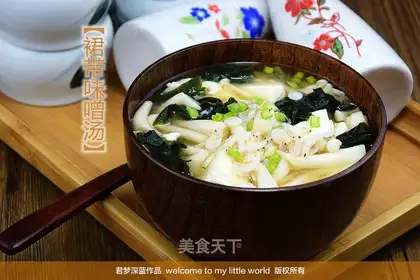
It's not an exaggeration to call it Japanese "national soup", which the Japanese will drink if they eat. Japanese elementary schools teach the first meal, the second rice, and the third meal. What's the charm of tasting soup that makes the eating Japanese so fond? The soybeans are fermented and made of sauce. The Japanese view the tasting as as important as salt sauce. In Japan, the practice is to boil water with a small pot, representing tofu and seafood, in addition to vegetables such as carrots, eggplants, potatoes and onions. In Japan, it is almost daily for people who have grown older with a kale soup. Turning out to be the king of strong alkaline, it contained rich plant fibres, and 5 grams of nematodes contained two grams of plant fibre, divided into water soluble and insoluble plant fibres. Water soluble plant fibres are rich in sugar-rich algal acid, which can be combined with salinity in other foods, facilitating salt separation and inadvertently reducing human uptake of salinity. It is well known that, as they grow older, the taste buds become slow and unwittingly absorb excessive salinity. If you can drink a bowl of knitting soup every day, you can reduce the intake of salt and blood pressure and promote health. The Japanese have a long life, and it has to do with daily knitting soup。
VicentaLakin
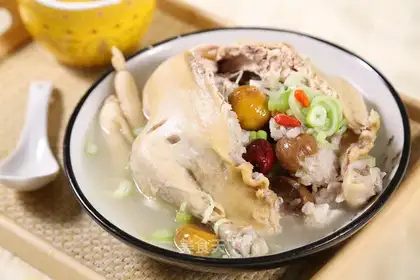
Chicken soup is one of the most representative foods in Korea's palace. Chicken soup is not only not greasy, but also purified, nutritionally valuable, with a fragrance of medicine. For women, eating cucumber soup can be of great benefit. It can be nourished, nourished, beauty-dressed, dry, and, while providing for it, there is no need to worry about obesity. It's the best choice for women who want to lose weight