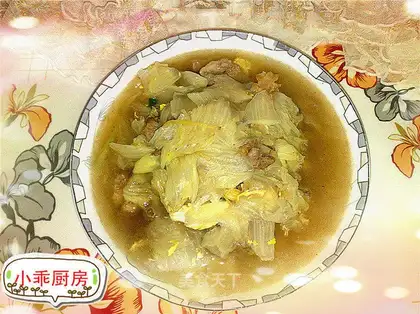
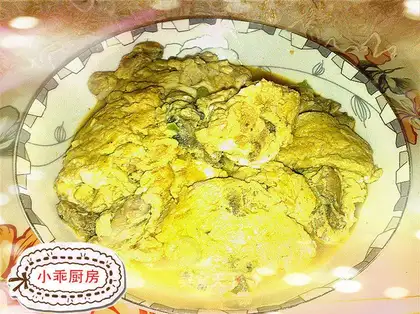
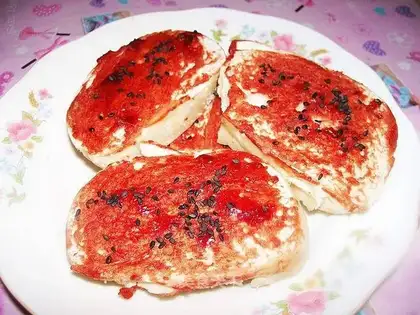
salty and fresh Recipe
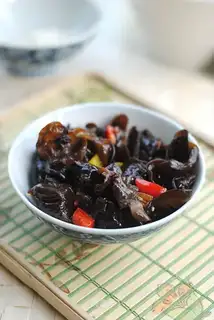
FloyBailey
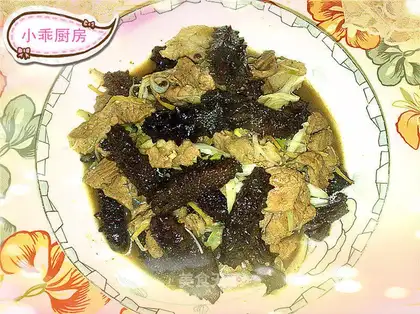
Black fungus is a famous mountain treasure. It can be eaten, medicine and tonic. China people never get tired of eating it on the table for a long time. It is known as the "meat among vegetables" and is called the "black treasure among Chinese food" in the world. The cultivation method of Auricularia auricula can be called a unique one in the history of agronomy, horticulture and fungi in the world. <br />Auricularia auricula fruiting body colloid, disc-shaped, auriculate irregular shape, diameter 3-12 cm. Soft when fresh and horny when dry. It has a delicate taste and a special flavor. It is a famous edible fungus with rich nutrients. Contains carbohydrates, 10.6 grams of protein, 0.2 grams of fat, 306 calories, amino acids, vitamins and minerals. It has the effects of benefiting qi, satisfying hunger, lightening body and strengthening intelligence, stopping bleeding and relieving pain, replenishing blood and activating blood circulation. Rich in polysaccharide colloids, has a good wiping effect, and is an important health food for mine workers and textile workers. It also has certain anti-cancer and cardiovascular disease treatment functions.