sweetening Recipe
ConcepcionHarber
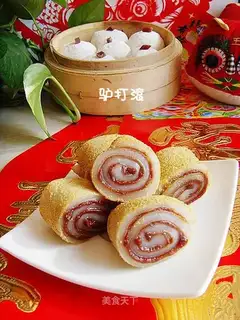
In Beijing, which is becoming increasingly international and cosmopolitan, although many snacks seem to be outdated, Beijing snacks are "living fossils" of the thousand-year history of the capital. Each snack has its historical roots and cultural origins. <br />Beijing snacks embody the Beijing-style complex of Beijingers and arouse my nostalgia. Therefore, eating it in your mouth is not just delicious food...<br /><br /> Donkey rolling is one of the oldest varieties of snacks in Beijing. Its raw material is yellow rice flour, water, soft and steamed. In addition, stir-fry the soybeans and grind them into flour. When making, stick the steamed yellow rice noodles with soybean flour, roll them into slices, then apply the red bean paste filling (you can also use brown sugar) and roll them up, cut them into small pieces of about 100 grams, and sprinkle with white sugar. When making, the filling is required to be evenly rolled, with clear layers, and a yellow appearance. It is characterized by aroma, sweetness, stickiness, and a strong flavor of soybean powder. <br /><br />Bean flour cake uses soybean flour as the main raw material, so it is called bean flour cake. But why is it also called donkey rolling? This is an imaginary metaphor. Putting yellow rice noodles in soybean noodles and rolling them is like raising dust when a donkey rolls in the countryside, hence the name. Even predecessors have questioned this point. In "Yandu Small Food Miscellaneous Songs", it is said: "The brown sugar and water fillings are cleverly arranged, and the yellow noodles are buried in the beans. He Shiqun calls 'Donkey rolling', which is close to humor." He also said: "Soybeans stick to rice, steam, wrap them with brown sugar and water filling, roll them in fried bean noodles, and sell them on a plate. It is called 'Donkey Rolling'. It is incredible." It can be seen that the name of rolling donkey had been established at that time. Nowadays, many people only know the nickname, but they don't know its name. Nowadays, many snack bars in Beijing serve donkey rolling all year round, but most of them no longer use yellow rice noodles and use Jiangmi noodles. However, soybean flour noodles are still rolled outside, and the color is still yellow. It is a snack that Beijingers have always loved.
PierreZieme
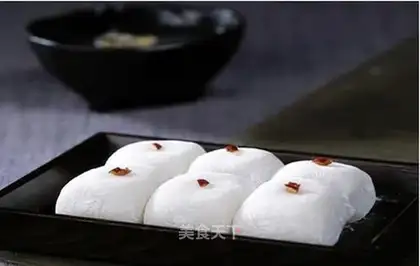
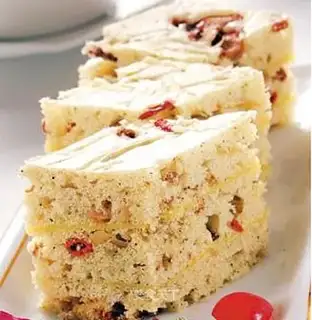
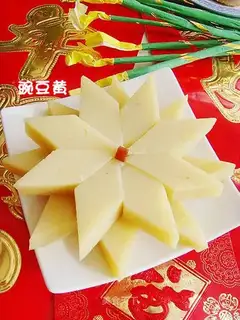
Pea yellow was originally a folk snack and was later introduced to the court. Qing Guan's pea yellow uses high-quality white peas as raw materials to make a finished product with light yellow, delicate and pure color. It melts immediately in the mouth. It tastes sweet, cool and refreshing. He is famous for his love for eating. The method is to grind peas, peel them, wash them, boil them, fry them with sugar, condense them, and cut them into pieces. Traditional practice also requires embedding red dates meat. It is the most famous for its Fangshan Restaurant. <br /><br />The folk rough pea yellow is a typical spring food and is common at spring temple fairs. For example, in the Peach Palace on the third month of March,"small dates, rough peas, yellow peas," is a seasonal fresh product. The vendors shouted,"Hey, these small dates, yellow peas, come in big pieces! "It seems to be giving people spring news and bringing warmth.