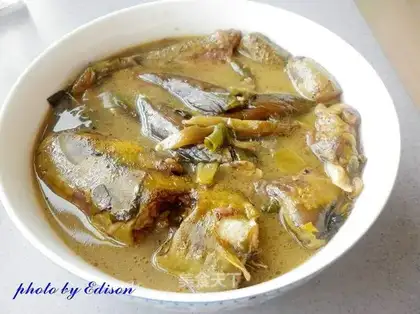
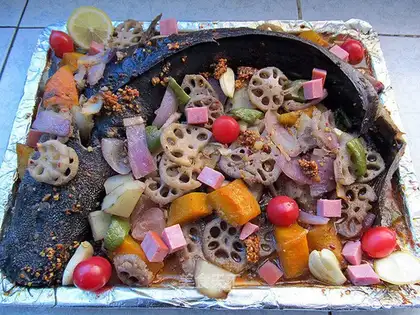
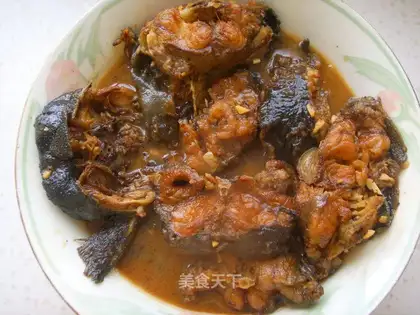
The platinum is rich in nutrients, such as proteins and minerals, and is particularly suitable for human consumption in the case of infirmity and malnutrition. The catfish are warm, odoury, diarrhea, bladders; they are used to regenerate, venom, irritate, appetizers, and urinals; they are good for milk, and they are essential foods for women to eat after childbirth。

The name of catfish, which belongs to the irradiated fin web, is catfish, known as Silurusasotus, commonly known as tarpaulin and kambaro. Body front rough, tail flat, head wide flat. Short and wide. Two nostrils, full of cracks, and a slightly sharp jaw. In the case of juvenile fish, the requirement is 3 pairs, the degradation is 2 pairs, the upper muster is slightly longer than the head, and the lower mustard is 1/3 to 1/5 long. At normal times, only 1 pair of long-shaves is observed, and it is often mistaken that there are only 2 musts. The catfish is naked, their skin is smooth and their slime is well developed. The back fins are short and have only 5 soft bars; the hips are long and the rear is linked to the tails, with 70-85 soft strips; and the chest fins have a sawy thorn, 12-14 soft strips. Dark gray or grey yellow, gray black on the back, white on the abdomen, irregular or non-observed on the side. It is a primary freshwater fish, usually small and rare to more than 1 kg of individuals, mainly in silent waters or slow water streams of aquatic plants, predatory fish, sexual predators and food for shrimp, small fish and other invertebrates. Catfish are small and not easy to catch, tastes very good and valuable. Tofu is abundant and contains many trace elements essential to the human body, such as iron, calcium, phosphorus and magnesium, as well as sugar, vegetable oil and abundant high-quality proteins, with a digestive absorption rate of over 95 per cent. Tofu is also a source of thermal tonic food, which can be used to remediate, warm, dry, dry, clean stomachs, and the complementarities between animal and plant proteins, so it is more conducive to protein absorption with fish and so on。
Catfish, commonly known as pond lice. The catfish are benthic predatory fish, most of them small fish, shrimps, aquatic insects, etc.; its temperature, odour, gastrogen, venom, and bladders; it is a good for the acupuncture and has the effect of feeding blood, respiration, appeasement and urine; it is a necessary food for women to be treated for post-natal feeding, which is best served by stew; and it is the best food season between mid-spring and mid-summer。