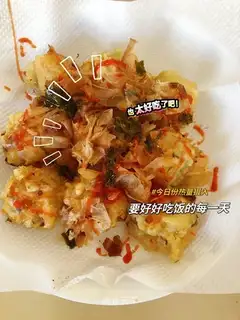
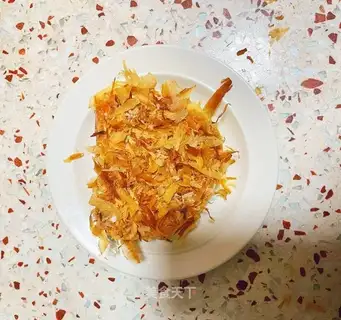
In the world of Japanese cuisine, few ingredients are as iconic or multifunctional as katsuobushi—dried, fermented, and smoked skipjack tuna flakes. More than just a topping for dishes like okonomiyaki and takoyaki, this umami-rich delicacy has been a cornerstone of Japanese cooking for centuries. Beyond its culinary versatility, katsuobushi boasts a surprising array of nutritional benefits, rooted in its unique production process. However, like any specialized ingredient, it also comes with considerations for consumption. This article explores the nutritional profile of katsuobushi, its health benefits, and potential precautions to help readers appreciate this traditional food fully.
1. What is Katsuobushi? A Brief Overview
Katsuobushi is made from skipjack tuna (Katsuwonus pelamis), a lean, protein-rich fish found in tropical and subtropical oceans. The production process is labor-intensive, involving multiple steps that enhance both flavor and nutritional value:
- Cleaning and Filleting: The tuna is gutted, filleted, and deboned.
- Boiling: The fillets are boiled to remove excess fat and tenderize the flesh.
- Smoking: The boiled fish is smoked over hardwood (often cherry or oak) for several days, infusing it with a rich, smoky aroma.
- Molding and Drying: The smoked fish is air-dried repeatedly over months, developing a hard, wood-like texture.
- Fermentation: Some varieties undergo koji fermentation (using Aspergillus oryzae mold) to deepen umami and break down proteins.
- Shaving: The final product is shaved into thin flakes using a specialized plane (katsuobushi-kei), creating the delicate, paper-like sheets familiar to cooks.
This process not only concentrates the fish’s flavors but also preserves nutrients, making katsuobushi a nutrient-dense addition to meals.
2. Nutritional Profile of Katsuobushi
Katsuobushi is a nutritional powerhouse, particularly high in protein, essential amino acids, and micronutrients. A 100-gram serving of dried katsuobushi (equivalent to roughly 25–30 grams of flakes when rehydrated) contains approximately:
Macronutrients
- Protein: ~60–65 grams, making it one of the most concentrated protein sources available. Unlike animal fats, katsuobushi is extremely low in fat (≤2 grams), with virtually no carbohydrates.
- Amino Acids: Rich in all nine essential amino acids (histidine, isoleucine, leucine, lysine, methionine, phenylalanine, threonine, tryptophan, and valine), which the body cannot produce independently. Notably, it is high in taurine (≈200–300 mg per 100 grams), an amino acid linked to heart and brain health.
Micronutrients
- Vitamins:
- B Vitamins: Particularly B12 (≈5–10 micrograms per 100 grams), crucial for nerve function and red blood cell production. It also contains niacin (B3), riboflavin (B2), and pantothenic acid (B5).
- Vitamin D: Present in smaller amounts, but the sun-drying process enhances its bioavailability.
- Minerals:
- Iron: ≈3–5 mg per 100 grams, supporting oxygen transport in the blood.
- Zinc: ≈2–3 mg, vital for immune function and wound healing.
- Phosphorus: ≈300–400 mg, essential for bone health and energy metabolism.
- Selenium: ≅20–30 micrograms, a powerful antioxidant that protects cells from damage.
- Sodium: Naturally low (≅50–100 mg per 100 grams), but commercial varieties may contain added salt for flavor.
Bioactive Compounds
The fermentation and drying processes generate unique bioactive compounds, including:
- Inosinate: A nucleotide that amplifies umami flavor and may enhance digestion.
- Peptides: Short chains of amino acids produced during fermentation, which have been studied for their potential antioxidant and antihypertensive properties.
- Omega-3 Fatty Acids: Though low in fat, katsuobushi contains small amounts of EPA and DHA, particularly in less-processed varieties.
3. Health Benefits of Katsuobushi
The combination of high-quality protein, amino acids, and micronutrients gives katsuobushi several health benefits:
a. Muscle Maintenance and Satiety
With its exceptional protein content, katsuobushi is an excellent food for muscle repair and growth, making it valuable for athletes, older adults, and those recovering from illness. The high protein-to-calorie ratio also promotes satiety, aiding in weight management by reducing overeating.
b. Heart Health
- Taurine: This amino acid helps regulate blood pressure, reduce cholesterol levels, and prevent atherosclerosis. Studies suggest taurine may also lower the risk of heart disease by improving endothelial function (the health of blood vessel linings).
- Low Fat and Sodium: Unlike processed meats, katsuobushi is naturally low in saturated fat and sodium, reducing the risk of hypertension and cardiovascular disease.
c. Immune Support
The zinc and selenium in katsuobushi are critical for immune function. Zinc deficiency impairs immune cell activity, while selenium boosts the production of antioxidants like glutathione, helping the body fight infections and reduce inflammation.
d. Brain Health and Cognitive Function
- Vitamin B12: Deficiency in B12 can lead to neurological issues, such as memory loss and numbness. Katsuobushi is a reliable source of B12, particularly for vegetarians or those with limited meat intake.
- Omega-3s and Taurine: These nutrients support brain cell communication and may protect against age-related cognitive decline.
e. Digestive Health
The inosinate and peptides in katsuobushi stimulate the secretion of digestive enzymes, improving nutrient absorption. Additionally, its umami flavor can enhance saliva production, aiding in digestion.
f. Bone and Metabolic Health
Phosphorus and calcium (present in smaller amounts) work together to maintain bone density. The B vitamins in katsuobushi also play a role in energy metabolism, helping convert food into usable energy.
4. Precautions and Potential Side Effects
While katsuobushi is generally safe for most people, certain groups should consume it in moderation or avoid it altogether:
a. High Purine Content
Katsuobushi is rich in purines, compounds that break down into uric acid. In excess, uric acid can crystallize in joints, causing gout—a painful form of arthritis. Individuals with gout or a history of kidney stones (which may form from uric acid) should limit intake to ≤1–2 times per week.
b. Sodium Sensitivity
Though naturally low in sodium, some commercial katsuobushi brands add salt for flavor. People with hypertension or kidney disease should check labels and choose low-sodium varieties or consume sparingly.
c. Mercury Concerns
Skipjack tuna is a low-mercury fish compared to larger species like swordfish or shark, but frequent consumption of large amounts may still pose a risk for vulnerable groups (e.g., pregnant women, young children). Opting for high-quality, sustainably sourced katsuobushi can minimize this risk.
d. Allergies
Rarely, individuals may be allergic to fish or fermentation byproducts. Symptoms could include itching, hives, or digestive distress. Those with fish allergies should avoid katsuobushi unless cleared by a healthcare provider.
e. Pregnancy and Breastfeeding
While moderate consumption is safe for most pregnant women, those concerned about mercury or sodium intake should consult a doctor. High-quality, low-mercury katsuobushi is generally safe in small amounts (1–2 times per week).
5. Culinary Uses and Incorporation into a Healthy Diet
Katsuobushi is incredibly versatile and can be incorporated into meals in various ways:
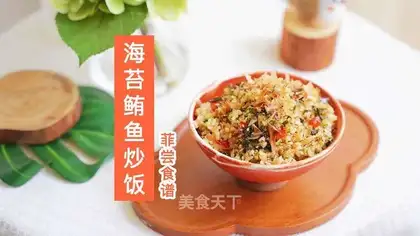
- Umami Boost: Sprinkle flakes over soups (e.g., miso soup), noodles (soba, udon), or rice to enhance flavor without adding salt.
- Broth Base: Steep flakes in hot water to make dashi, a foundational stock for Japanese dishes. Dashi is low in calories but rich in umami and nutrients.
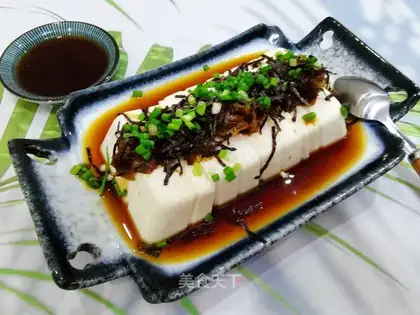
- Salads and Toppings: Add to salads, tofu, or steamed vegetables for a protein crunch.
- Seasoning: Grind into a powder and use as a seasoning for marinades or dressings.
For those new to katsuobushi, starting with small amounts (e.g., 1–2 teaspoons of flakes) is advisable to gauge tolerance. Pairing it with fiber-rich foods (vegetables, whole grains) can further enhance its nutritional benefits and support digestion.
6. Conclusion
Katsuobushi is far more than a mere garnish—it is a nutrient-dense, flavorful ingredient that offers a range of health benefits, from muscle support to heart health. Its unique production process preserves and enhances its nutritional value, making it a valuable addition to a balanced diet. However, moderation is key for individuals with gout, hypertension, or fish allergies. By understanding its nutritional profile and precautions, consumers can enjoy katsuobushi as both a culinary delight and a wellness booster. As global interest in traditional Japanese cuisine grows, katsuobushi stands as a testament to the wisdom of combining flavor and nutrition in one humble ingredient.