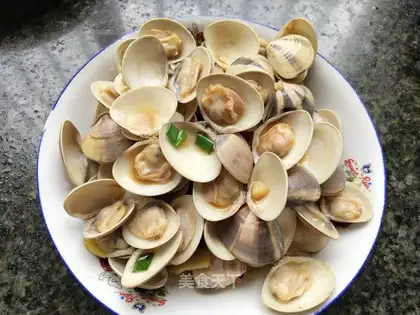
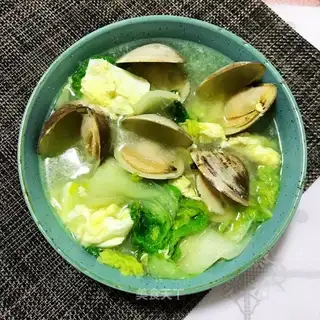
Clams, a type of bivalve mollusk, have been a dietary staple for coastal communities for millennia. These humble shellfish are not only prized for their sweet, briny flavor but also revered for their exceptional nutritional profile and health-promoting properties. From Mediterranean seafood stews to East Asian soups, clams have earned their place as a global culinary treasure. Beyond their gastronomic appeal, clams offer a wealth of health benefits, ranging from supporting heart health to boosting immune function. However, like all seafood, they must be consumed with awareness of potential risks and precautions. This article explores the nutritional value of clams, their scientifically backed health benefits, and important guidelines for safe consumption.
I. Nutritional Value of Clams: A Compact Nutrient Source
Clams are nutritional powerhouses, packed with high-quality protein, essential vitamins, and minerals, all while being low in fat and calories. A 100-gram serving of cooked clams (approximately 15-20 small clams) provides approximately:
1. High-Quality Protein
Clams are an excellent source of lean protein, containing around 20-25 grams per 100 grams. Protein is vital for muscle repair, tissue growth, and the production of enzymes and hormones. Unlike many animal proteins, clams are low in saturated fat, making them a heart-healthy choice for individuals looking to increase protein intake without excess fat.
2. Essential Minerals
Clams are one of the richest dietary sources of several key minerals:
- Iron: Clams provide heme iron, the form most easily absorbed by the body. A 100-gram serving contains up to 24 milligrams of iron, more than three times the amount found in red meat. Iron is critical for oxygen transport in the blood and preventing iron-deficiency anemia.
- Zinc: With approximately 15-20 milligrams per 100 grams, clams are a top source of zinc, a mineral essential for immune function, wound healing, and DNA synthesis.
- Selenium: This antioxidant mineral supports thyroid health and protects cells from oxidative damage. Clams offer around 50-60 micrograms of selenium per serving, exceeding the daily recommended intake for most adults.
- Copper: Clams are rich in copper, which aids in iron metabolism, collagen formation, and nerve function. A 100-gram serving provides over 1 milligram of copper, nearly 120% of the daily requirement.
3. Vitamins
Clams are a natural source of several B vitamins and fat-soluble vitamins:
- Vitamin B12: Clams are one of the best sources of vitamin B12, with a single serving providing over 1,000% of the daily recommended intake. Vitamin B12 is crucial for nerve function, red blood cell production, and DNA synthesis. A deficiency can lead to anemia and neurological disorders.
- Vitamin C: Though not as abundant as in fruits, clams contain moderate amounts of vitamin C, which supports immune health and collagen synthesis.
- Vitamin A and E: These fat-soluble vitamins act as antioxidants, protecting cells from damage and supporting vision and skin health.
4. Omega-3 Fatty Acids
Clams are a rare source of omega-3 fatty acids, particularly EPA (eicosapentaenoic acid) and DHA (docosahexaenoic acid). These healthy fats reduce inflammation, support brain health, and lower the risk of heart disease. A 100-gram serving of clams provides around 200-300 milligrams of omega-3s, making them a valuable addition to a heart-healthy diet.
5. Low in Calories and Fat
With only 100-150 calories per 100 grams, clams are an ideal food for weight management. They are virtually free of saturated fat and contain negligible carbohydrates, making them suitable for low-carb and ketogenic diets.
II. Health Benefits of Clams: From Immune Support to Heart Health
The nutrient density of clams translates into a range of health benefits, backed by scientific research.
1. Boosts Immune Function
Clams are rich in zinc, selenium, and vitamin B12, all of which play critical roles in immune health. Zinc deficiency impairs immune cell development, while selenium enhances the activity of antioxidants that protect immune cells. A study published in the Journal of Nutrition found that adequate selenium intake reduces the risk of viral infections and supports immune response.
2. Supports Heart Health
The omega-3 fatty acids in clams help reduce triglycerides, lower blood pressure, and decrease the risk of arrhythmias, all of which contribute to cardiovascular health. Additionally, clams are low in saturated fat and high in potassium, which balances sodium levels and supports healthy blood pressure. A study in the American Journal of Clinical Nutrition linked regular consumption of shellfish to a reduced risk of heart disease due to their favorable lipid profile.
3. Prevents Iron-Deficiency Anemia
Clams’ heme iron is highly bioavailable, meaning the body absorbs it more efficiently than the non-heme iron found in plant-based foods. Iron is essential for producing hemoglobin, the protein in red blood cells that carries oxygen. Individuals with anemia, pregnant women, and athletes can benefit from clams as a natural iron source.
4. Enhances Brain Health
The omega-3s (DHA and EPA) in clams are vital for brain development and function. DHA, in particular, is a major structural component of the brain and retina. Research suggests that adequate omega-3 intake may improve cognitive function, memory, and mood while reducing the risk of neurodegenerative diseases like Alzheimer’s.
5. Promotes Thyroid Function
Selenium, abundant in clams, is a key component of thyroid hormones, which regulate metabolism, growth, and development. Selenium deficiency is linked to thyroid disorders such as hypothyroidism. Including clams in the diet can help maintain optimal thyroid function.
6. Supports Skin and Collagen Production
Clams provide copper and vitamin C, both of which are essential for collagen synthesis. Collagen is a protein that maintains skin elasticity, wound healing, and joint health. Copper also acts as an antioxidant, protecting the skin from UV damage and premature aging.
III. Precautions and Safe Consumption: Avoiding Risks
While clams offer numerous health benefits, improper consumption can lead to health risks. Here are key precautions to keep in mind:
1. Foodborne Illnesses: Bacterial and Contamination Risks
Clams are filter feeders, meaning they absorb nutrients and contaminants from their environment. If harvested from polluted waters, they may contain harmful bacteria (e.g., Vibrio vulnificus), viruses, or heavy metals (e.g., mercury, lead). To minimize risk:
- Purchase from reputable sources: Choose clams from certified suppliers or harvest from clean, unpolluted waters.
- Check for freshness: Live clams should have tightly closed shells or close when tapped. Discard any clams with open or cracked shells.
- Cook thoroughly: Clams should be cooked to an internal temperature of 74°C (165°F) to kill bacteria. Avoid raw or undercooked clams, especially if you have a weakened immune system.
2. Allergic Reactions
Shellfish allergies are among the most common food allergies, with symptoms ranging from mild (hives, itching) to severe (anaphylaxis). Individuals with a known shellfish allergy should avoid clams entirely.
3. Mercury and Heavy Metal Exposure
While clams generally contain lower levels of mercury than large predatory fish (e.g., shark, swordfish), frequent consumption of contaminated clams may still pose a risk. Pregnant women, nursing mothers, and young children should limit their intake to avoid mercury exposure.
4. Purging and Cleaning
Before cooking, clams must be purged to remove sand and impurities. Soak them in salted water (1/3 cup salt per gallon of water) for 1-2 hours, then rinse thoroughly. Discard any clams that do not open after cooking.
5. Moderation for Certain Populations
- Gout sufferers: Clams are moderately high in purines, which can trigger gout attacks in susceptible individuals. Limit consumption to once or twice a week.
- Blood thinners: Clams contain vitamin K, which can interfere with blood-thinning medications (e.g., warfarin). Consult a doctor before including clams in your diet if you are on anticoagulants.
IV. Culinary Uses and Incorporating Clams into Your Diet
Clams are incredibly versatile in the kitchen. Here are popular ways to enjoy them:
- Soups and Stews: Clam chowder (New England or Manhattan style), clam and miso soup, or seafood stews.
- Pasta and Rice: Linguine with clam sauce, paella, or fried rice with clams.
- Steamed or Grilled: Steamed clams with garlic, white wine, and herbs, or grilled clams with lemon and chili.
- Raw or Marinated: While not recommended for high-risk individuals, fresh clams can be marinated in citrus juice (ceviche) or eaten raw with mignonette sauce.
Conclusion
Clams are a nutritional powerhouse, offering high-quality protein, essential vitamins, and minerals that support immune function, heart health, and brain function. Their low calorie and fat content make them an ideal addition to a balanced diet. However, safe consumption is key—always source clams from reputable suppliers, cook them thoroughly, and be mindful of allergies and contamination risks. When enjoyed in moderation and prepared properly, clams can be a delicious and nutritious centerpiece of a healthy lifestyle. Whether in a hearty chowder or a delicate pasta dish, these humble shellfish prove that good things often come in small packages.