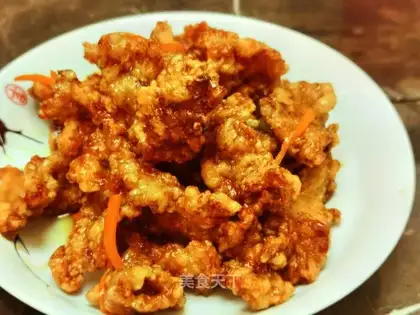
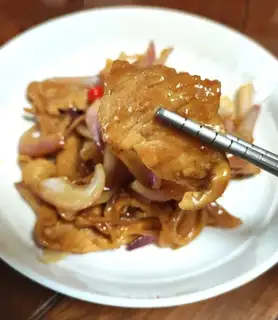
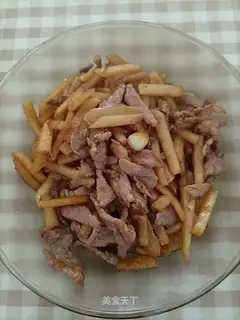
Pork loin, often referred to as the "tenderloin," is a lean and versatile cut of meat derived from the back of the pig. Praised for its delicate texture, mild flavor, and impressive nutrient profile, it has long been a staple in cuisines worldwide—from succulent roasts in European kitchens to stir-fries in Asian dishes and grilled kebabs in Middle Eastern tables. Beyond its culinary appeal, pork loin stands out as a nutrient-dense protein source, offering a unique combination of essential vitamins, minerals, and amino acids that support overall health. However, like all foods, it must be consumed mindfully to maximize benefits and minimize risks. This article explores the nutritional value of pork loin, its key health benefits, and important considerations for safe and healthy consumption.
Nutritional Value of Pork Loin
Pork loin is distinguished by its exceptional nutritional balance, particularly its high protein content and rich array of micronutrients, all while being relatively low in fat compared to other cuts of pork. A 100-gram (3.5-ounce) serving of cooked pork loin (without added fat) contains approximately 26 grams of protein, making it an excellent choice for muscle maintenance, tissue repair, and satiety. This protein is a complete source, meaning it provides all nine essential amino acids—those the body cannot synthesize and must obtain from food. Key amino acids like leucine, isoleucine, and valine support muscle protein synthesis, crucial for athletes, older adults, and individuals recovering from injury.
In terms of fat, pork loin is remarkably lean, with only about 3-5 grams of fat per 100 grams, most of which is monounsaturated or polyunsaturated—heart-healthy fats that help reduce LDL ("bad") cholesterol when consumed in moderation. It is also low in saturated fat (around 1 gram per 100 grams), especially when trimmed of visible fat, aligning with dietary guidelines that limit saturated fat intake to reduce the risk of cardiovascular disease.
The micronutrient profile of pork loin is equally impressive. It is a standout source of vitamin B1 (thiamine), with a 100-gram serving providing over 50% of the daily recommended intake (DRI). Thiamine plays a vital role in energy metabolism, converting carbohydrates into usable energy, and supports nerve function. Deficiency in thiamine can lead to fatigue, muscle weakness, and even serious conditions like beriberi.
Pork loin is also rich in vitamin B6 (pyridoxine), a nutrient critical for brain health, immune function, and amino acid metabolism. A 100-gram serving delivers roughly 30% of the DRI for vitamin B6. Additionally, it is a good source of niacin (vitamin B3), which aids in DNA repair, skin health, and the conversion of food into energy.
Minerals are another highlight. Pork loin is packed with selenium, a powerful antioxidant that protects cells from oxidative damage, supports thyroid function, and boosts immune health. A 100-gram serving provides over 40% of the DRI for selenium. It also contains significant amounts of phosphorus, essential for bone health and energy production, and zinc, which supports wound healing, immune function, and DNA synthesis. For individuals following plant-based diets, which often lack highly bioavailable zinc and iron, pork loin offers a valuable alternative: it provides heme iron, the type most easily absorbed by the body (with 15-20% of the DRI per 100 grams), compared to non-heme iron from plants, which has a lower absorption rate.
Lastly, pork loin contains vitamin B12, a nutrient found almost exclusively in animal products. B12 is critical for nerve function, red blood cell formation, and DNA synthesis. Deficiency can lead to anemia, fatigue, and neurological issues, making pork loin an important food for individuals at risk of B12 deficiency, such as older adults or those with limited meat intake.
Health Benefits of Pork Loin
The nutrients in pork loin translate into a range of health benefits, from muscle maintenance to immune support. Below are the key advantages of incorporating this lean meat into a balanced diet.
1. Supports Muscle Growth and Repair
Protein is the building block of muscles, and pork loin’s high-quality amino acid profile makes it ideal for muscle maintenance and growth. Leucine, in particular, stimulates muscle protein synthesis (MPS), the process by which the body repairs and builds muscle tissue. This is especially beneficial for athletes and active individuals, who require adequate protein to recover from exercise and improve performance. For older adults, sarcopenia (age-related muscle loss) is a significant concern; regular consumption of protein-rich foods like pork loin helps slow muscle decline, preserving strength, mobility, and independence.
2. Enhances Energy Production and Metabolic Health
The B vitamins in pork loin—thiamine, B6, niacin, and B12—are essential for converting food into energy. Thiamine helps break down carbohydrates, while niacin and B6 support metabolism of fats and proteins. For individuals with high energy needs, such as athletes or those with physically demanding jobs, pork loin can help optimize energy levels. Additionally, the lean protein and low fat content contribute to stable blood sugar levels by slowing digestion and preventing spikes in glucose, making it a good choice for people with or at risk of type 2 diabetes.
3. Boosts Immune Function
Pork loin’s nutrient profile strengthens the immune system in multiple ways. Selenium acts as an antioxidant, neutralizing free radicals that can damage immune cells and impair function. Zinc is critical for the development and activation of T-cells, a type of white blood cell that fights infections. Vitamin B6 supports the production of antibodies, proteins that target pathogens like viruses and bacteria. Together, these nutrients help the body resist infections and recover more quickly from illness.
4. Promotes Healthy Blood and Prevents Anemia
Iron deficiency is one of the most common nutritional deficiencies worldwide, leading to anemia—a condition characterized by fatigue, weakness, and shortness of breath. Pork loin’s heme iron is highly bioavailable, meaning the body absorbs it 2-3 times more efficiently than non-heme iron from plant sources (e.g., spinach, beans). This makes it particularly beneficial for pregnant women (who need extra iron for fetal development), adolescents (who are growing rapidly), and women of childbearing age (who lose iron during menstruation). Pairing pork loin with vitamin C-rich foods (e.g., bell peppers, citrus fruits) further enhances iron absorption.
5. Supports Brain and Nerve Health
The B vitamins in pork loin are vital for brain function. Vitamin B12 is essential for maintaining the myelin sheath, a protective coating around nerve fibers that ensures efficient signal transmission between the brain and body. Deficiency in B12 can cause numbness, tingling, and memory loss. Thiamine supports cognitive function and has been linked to a reduced risk of Alzheimer’s disease, while B6 helps produce neurotransmitters like serotonin and dopamine, which regulate mood and sleep. Regular consumption of pork loin may thus support long-term brain health and reduce the risk of age-related cognitive decline.
6. Contributes to Bone Health
Pork loin is a good source of phosphorus, a mineral that works with calcium to build and maintain strong bones and teeth. Phosphorus also plays a role in energy production and cell repair. For children and adolescents, adequate phosphorus intake is critical for proper bone development during growth. For older adults, it helps prevent osteoporosis, a condition characterized by weak and brittle bones.
食用禁忌与注意事项 (Dietary Restrictions and Precautions)
While pork loin offers numerous health benefits, it is important to consume it safely and in moderation to avoid potential risks. Below are key considerations for different populations.
1. Safe Handling and Cooking to Avoid Foodborne Illness
Pork, like all raw meat, can harbor harmful bacteria such as Salmonella, E. coli, and Listeria, as well as parasites like Trichinella. To minimize the risk of foodborne illness:
- Cook thoroughly: Pork loin should be cooked to an internal temperature of 63°C (145°F) for whole cuts or 71°C (160°F) for ground pork, as measured by a food thermometer. Undercooked pork can cause trichinosis, a parasitic infection that symptoms like muscle pain, fever, and digestive issues.
- Avoid cross-contamination: Use separate cutting boards, utensils, and plates for raw pork to prevent spreading bacteria to other foods. Wash hands, surfaces, and tools with hot, soapy water after handling raw meat.
- Store properly: Refrigerate pork loin at 4°C (40°F) or below and use within 2-3 days of purchase. For longer storage, freeze at -18°C (0°F) for up to 6 months.
2. Moderation for Heart Health
While pork loin is leaner than other cuts (e.g., bacon, ribs), it still contains saturated fat. Excessive saturated fat intake can raise LDL cholesterol levels, increasing the risk of heart disease. The American Heart Association recommends limiting saturated fat to less than 10% of daily calories (about 13 grams for a 2,000-calorie diet). A 100-gram serving of pork loin contains about 1 gram of saturated fat, so it can fit into a heart-healthy diet when consumed in moderation (2-3 times per week). For individuals with existing heart conditions, opting for lean cuts and trimming visible fat is essential.
3. Considerations for Specific Populations
- Pregnant women: Undercooked pork poses a risk of Toxoplasma gondii, a parasite that can harm the fetus. Pregnant women should ensure pork is fully cooked and avoid raw or undercooked pork products (e.g., sushi, cured meats).
- People with gout: Pork is moderately high in purines, compounds that can trigger gout attacks (a form of arthritis) in susceptible individuals. Those with gout should limit pork intake and opt for lower-purine proteins like poultry or fish.
- Individuals with kidney disease: Pork loin is rich in protein and phosphorus, which can strain the kidneys if kidney function is impaired. People with kidney disease should consult a healthcare provider or dietitian to determine a safe portion size.
4. Pairing with Complementary Foods
To maximize the nutritional benefits of pork loin, pair it with foods that enhance nutrient absorption or balance the meal:
- Vitamin C: Combining pork loin with vitamin C-rich foods (e.g., broccoli, tomatoes, oranges) boosts iron absorption.
- Fiber: Serve with whole grains (e.g., brown rice, quinoa) or vegetables to increase fiber intake, promoting digestive health and satiety.
- Healthy fats: Pair with sources of monounsaturated or polyunsaturated fats (e.g., avocado, olive oil, nuts) to support heart health.
Conclusion
Pork loin is a nutritional powerhouse that offers a unique combination of high-quality protein, essential vitamins, and minerals. From supporting muscle growth and energy production to boosting immune function and brain health, its benefits make it a valuable addition to a balanced diet. However, safe handling, thorough cooking, and moderation are key to avoiding risks like foodborne illness or excessive saturated fat intake. For most people, incorporating 2-3 servings of lean pork loin per week can contribute to overall health while enjoying its delicious flavor and versatility. As with any food, listening to your body’s needs and consulting a healthcare provider or dietitian for personalized advice ensures that pork loin is consumed safely and effectively as part of a healthy lifestyle.