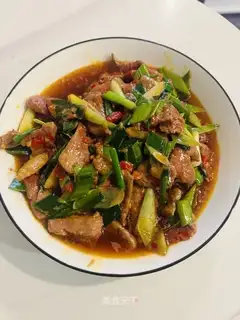
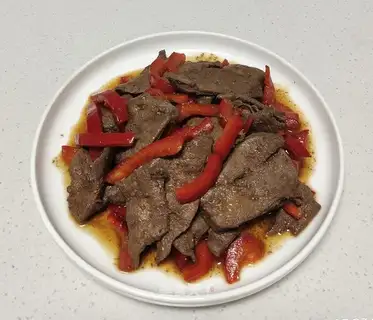
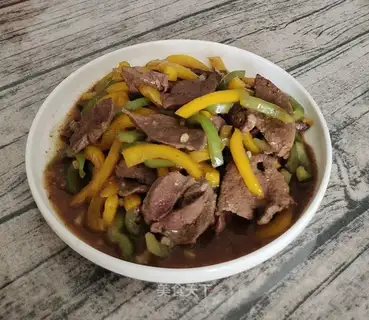
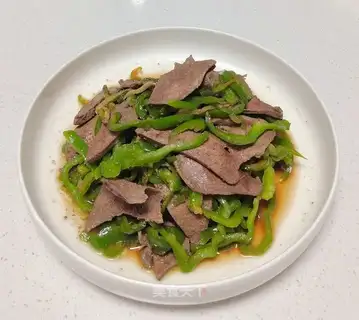
Pork liver, a nutrient-dense organ meat, has been a staple in traditional diets worldwide for centuries. Revered for its rich flavor and potent nutritional profile, it is often called a "superfood" due to its exceptional concentration of vitamins, minerals, and proteins. However, its consumption is also surrounded by misconceptions, particularly regarding its cholesterol content and safety. This article explores the nutritional value of pork liver, its scientifically supported health benefits, and important precautions to ensure its safe and optimal consumption.
I. Nutritional Value of Pork Liver
Pork liver stands out among other meats for its unparalleled density of essential nutrients. A 100-gram serving of cooked pork liver (approximately 3.5 ounces) contains approximately:
1. High-Quality Protein
Pork liver is an excellent source of complete protein, providing about 20-22 grams per 100-gram serving. Like animal proteins, it contains all nine essential amino acids necessary for human health, making it vital for muscle repair, tissue growth, and enzyme production.
2. Vitamins: A Nutritional Powerhouse
- Vitamin A (Retinol): Pork liver is one of the richest natural sources of vitamin A, with a single 100-gram serving providing up to 6,000–9,000 micrograms (µg)—over 600% of the daily recommended intake (DRI). Vitamin A is critical for vision, immune function, skin health, and cell differentiation.
- B Vitamins: It is exceptionally high in B vitamins, which play key roles in energy metabolism, nerve function, and red blood cell production:
- Vitamin B12 (Cobalamin): A 100-gram serving contains over 1,500% of the DRI, essential for neurological health and DNA synthesis.
- Riboflavin (B2): Supports energy production and antioxidant defense.
- Niacin (B3): Aids in digestion, skin health, and cholesterol regulation.
- Folate (B9): Crucial for DNA synthesis and cell division, especially important during pregnancy.
3. Minerals
- Iron: Pork liver is a "heme iron" source, with 100 grams providing 15–18 milligrams—about 100% of the DRI for women and 200% for men. Heme iron is highly bioavailable, meaning it is absorbed more efficiently than non-heme iron from plants, making it beneficial for preventing iron-deficiency anemia.
- Zinc: Supports immune function, wound healing, and DNA synthesis. A 100-gram serving offers about 4–5 milligrams (30–40% of the DRI).
- Copper: Works with iron to form red blood cells and supports antioxidant enzymes.
- Selenium: Acts as an antioxidant, protecting cells from damage, and supports thyroid function.
4. Other Nutrients
Pork liver also contains small amounts of coenzyme Q10 (important for energy production), choline (vital for brain and liver health), and conjugated linoleic acid (CLA), which has been studied for its potential anti-inflammatory properties.
II. Health Benefits of Pork Liver
The unique nutrient profile of pork liver translates into several evidence-based health benefits when consumed in moderation.
1. Combats Nutrient Deficiencies
Due to its high vitamin and mineral content, pork liver is particularly beneficial for individuals at risk of deficiencies:
- Anemia Prevention: The heme iron and vitamin B12 in pork liver make it a potent food for treating and preventing iron-deficiency and megaloblastic anemia.
- Vitamin A Deficiency: In populations with limited access to colorful fruits and vegetables (primary sources of vitamin A), pork liver can help prevent night blindness, immune suppression, and skin disorders.
2. Supports Vision and Eye Health
Vitamin A is essential for maintaining the cornea (the eye’s outer layer) and producing rhodopsin, a protein that helps the eye adapt to low light. Regular consumption of pork liver may reduce the risk of age-related macular degeneration (AMD) and cataracts, though excessive vitamin A intake (see precautions) can have the opposite effect.
3. Boosts Immune Function
Vitamin A and zinc are critical for a healthy immune system. Vitamin A supports the production and function of white blood cells, while zinc helps regulate immune responses. Studies show that adequate intake of these nutrients can reduce the severity and duration of infections, such as the common cold.
4. Enhances Energy and Metabolism
The B vitamins in pork liver act as coenzymes in metabolic reactions that convert food into energy. For example, vitamin B12 helps metabolize fats and proteins, while riboflavin and niacin support the breakdown of carbohydrates. This makes pork liver a valuable food for individuals with fatigue or high energy demands, such as athletes or pregnant women.
5. Promotes Skin and Hair Health
Vitamin A aids in skin cell turnover and collagen production, keeping skin firm and elastic. It also helps regulate sebum production, reducing the risk of acne. Additionally, the zinc and B vitamins in pork liver support hair growth and strength by repairing hair follicles and reducing inflammation.
III. Precautions and Potential Risks
While pork liver offers numerous health benefits, its high concentration of certain nutrients means it must be consumed with caution to avoid adverse effects.
1. Vitamin A Toxicity (Hypervitaminosis A)
The primary risk of excessive pork liver consumption is vitamin A toxicity. Since vitamin A is a fat-soluble vitamin, it accumulates in the liver and body fat over time. Symptoms of chronic hypervitaminosis A include:
- Nausea, vomiting, and headache
- Liver damage (hepatotoxicity)
- Bone pain and increased fracture risk (due to disrupted bone metabolism)
- Birth defects (if consumed in large amounts during pregnancy)
Guideline: Limit pork liver to 1–2 servings per week (each serving ≤100 grams) to avoid exceeding the tolerable upper intake level (UL) of vitamin A (3,000 µg for adults). Pregnant women should consult a doctor before consuming it, as excessive vitamin A can harm the fetus.
2. High Cholesterol and Saturated Fat
Pork liver is high in dietary cholesterol (about 350–400 mg per 100 grams) and saturated fat (3–4 grams per 100 grams). Historically, this led to concerns about heart disease, as high cholesterol intake was thought to raise blood cholesterol levels. However, recent research shows that for most people, dietary cholesterol has a minimal impact on blood cholesterol; saturated fat and trans fats are larger contributors.
Exception: Individuals with hypercholesterolemia (high blood cholesterol), familial hypercholesterolemia, or heart disease should limit pork liver intake and prioritize lean meats (e.g., chicken breast, fish) instead.
3. Purine Content and Gout Risk
Pork liver is high in purines, compounds that break down into uric acid. In people with gout or hyperuricemia (high uric acid levels), excessive purine intake can trigger gout attacks by increasing uric acid crystal formation in joints.
Guideline: Individuals with gout should avoid pork liver or consume it sparingly (≤1 serving per month).
4. Contamination and Food Safety
As the liver filters toxins from the blood, there is a risk of it containing residues (e.g., antibiotics, heavy metals) if the animal was raised in poor conditions. To minimize risk:
- Choose pork liver from reputable sources (e.g., organic, pasture-raised).
- Cook it thoroughly to kill bacteria (e.g., Salmonella, E. coli). The USDA recommends cooking pork to an internal temperature of 71°C (160°F).
5. Interactions with Medications
Pork liver’s high vitamin K content may interfere with blood-thinning medications (e.g., warfarin), as vitamin K promotes blood clotting. Individuals taking such medications should maintain consistent vitamin K intake and consult a healthcare provider before adding pork liver to their diet.
IV. How to Incorporate Pork Liver into a Healthy Diet
To reap the benefits of pork liver while minimizing risks, follow these tips:
- Moderation: Limit to 1–2 servings per week.
- Preparation Methods:
- Soak liver in milk or water for 1–2 hours before cooking to reduce bitterness and improve texture.
- Use healthy cooking methods: pan-frying with minimal oil, grilling, or baking. Avoid deep-frying, which increases saturated fat content.
- Combine with vitamin C-rich foods (e.g., bell peppers, broccoli) to enhance non-heme iron absorption (useful for vegetarians or those with mixed diets).
- Recipe Ideas:
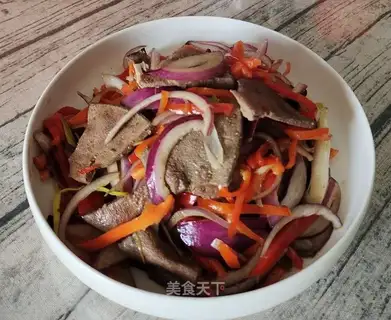
- Liver and onions (a classic dish balanced by vegetables).
- Liver pâté (spread on whole-grain bread for a nutrient-dense snack).
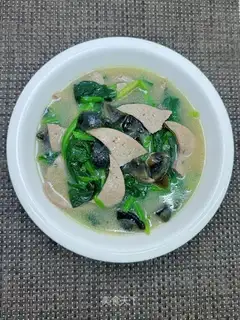
- Stir-fried liver with garlic and spinach (a quick, iron-rich meal).
Conclusion
Pork liver is a nutritional powerhouse, offering exceptional amounts of protein, vitamins (especially A and B12), and iron that support vision, immunity, energy, and overall health. However, its high vitamin A and purine content, combined with cholesterol and potential contamination risks, require mindful consumption. When eaten in moderation (1–2 servings per week) and prepared safely, pork liver can be a valuable addition to a balanced diet, particularly for individuals with nutrient deficiencies or increased nutritional needs. As with any food, moderation and quality are key to unlocking its benefits while avoiding harm.
By understanding its nutritional profile, health benefits, and precautions, individuals can make informed choices to incorporate pork liver into their diets as a tool for optimal health.