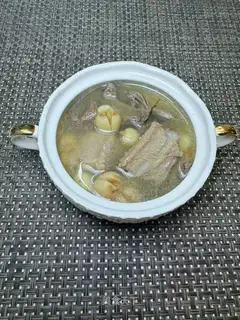
In the realm of offal, or organ meats, pork heart often stands in the shadow of more popular cuts like liver or kidneys. Yet, this nutrient-dense organ has been a staple in traditional cuisines worldwide for centuries, valued for its unique texture, rich flavor, and exceptional nutritional profile. Once a humble food for resourceful cooks, pork heart is experiencing a renaissance among health enthusiasts, chefs, and sustainability advocates alike. This article delves into the nutritional value of pork heart, its scientifically supported health benefits, and important precautions to consider when incorporating it into a balanced diet.
Nutritional Profile: A Concentrated Source of Essential Nutrients
Pork heart is a nutritional powerhouse, packed with high-quality protein, vitamins, and minerals that are often lacking in conventional muscle meats. A 100-gram serving of cooked pork heart (approximately one small heart) provides around 115 calories, 20 grams of protein, and just 4 grams of fat—making it a lean, protein-rich option comparable to skinless chicken breast but with a more robust nutrient profile.
Protein and Amino Acids
As a complete protein source, pork heart contains all nine essential amino acids the body cannot produce independently. These amino acids are the building blocks of muscles, enzymes, and hormones, making pork heart particularly beneficial for athletes, individuals recovering from illness, or those looking to maintain muscle mass. Its protein bioavailability is high, meaning the body can easily absorb and utilize these amino acids for optimal function.
Vitamins: B Vitamins Lead the Charge
Pork heart is exceptionally rich in B vitamins, which play critical roles in energy metabolism, brain function, and cardiovascular health. Notably:
- Vitamin B12 (Cobalamin): A 100-gram serving provides approximately 6.6 micrograms (mcg) of vitamin B12, far exceeding the daily recommended intake (2.4 mcg for adults). Vitamin B12 is essential for nerve function, DNA synthesis, and the formation of red blood cells; deficiency can lead to anemia, fatigue, and neurological damage.
- Niacin (Vitamin B3): With about 7.5 mg per serving, pork heart is an excellent source of niacin, which supports energy production, skin health, and cholesterol regulation. Niacin helps convert food into energy and plays a role in maintaining the integrity of the digestive system, skin, and nerves.
- Vitamin B6 (Pyridoxine): Each serving contains around 0.6 mg of vitamin B6, a nutrient that aids in amino acid metabolism, neurotransmitter production, and immune function. Vitamin B6 is also crucial for cognitive development and mood regulation.
- Riboflavin (Vitamin B2): At 0.4 mg per serving, riboflavin helps break down carbohydrates, fats, and proteins, and supports eye health and energy production.
Minerals: Essential for Bodily Functions
Pork heart is a concentrated source of minerals that are vital for various physiological processes:
- Selenium: A 100-gram serving provides 22 mcg of selenium, a powerful antioxidant that protects cells from damage, supports thyroid function, and boosts immune health. Selenium also plays a role in DNA repair and reproductive health.
- Iron: With 2.7 mg of iron per serving, pork heart is a notable source of this mineral, which is critical for oxygen transport in the blood. Iron deficiency is a common cause of anemia, leading to symptoms like weakness, shortness of breath, and impaired cognitive function. The heme iron in pork heart is more easily absorbed than the non-heme iron found in plant foods, making it particularly beneficial for individuals with iron deficiency.
- Zinc: Each serving contains 2.5 mg of zinc, a mineral essential for immune function, wound healing, and DNA synthesis. Zinc also supports normal growth and development during pregnancy and childhood.
- Phosphorus: At 220 mg per serving, phosphorus works with calcium to build strong bones and teeth. It also supports kidney function, muscle contraction, and nerve signaling.
- Coenzyme Q10 (CoQ10): Though not a vitamin or mineral, CoQ10 is a compound abundant in pork heart that acts as an antioxidant and plays a key role in energy production within cells. CoQ10 levels decline with age, and consuming pork heart may help support cellular energy and heart health.
Health Benefits: Beyond Nutrition
The exceptional nutrient profile of pork heart translates to a range of health benefits, particularly for the cardiovascular system, brain, and overall vitality.
Cardiovascular Health: Supporting the Heart with Heart-Healthy Nutrients
Contrary to misconceptions that offal is "unhealthy" for the heart, pork heart is uniquely beneficial for cardiovascular health when consumed as part of a balanced diet. Its high CoQ10 content is a standout: CoQ10 is found in high concentrations in the heart muscle, where it helps produce energy for cardiac cells and acts as an antioxidant to protect against oxidative stress. Studies suggest that CoQ10 supplementation may help lower blood pressure, reduce inflammation, and improve symptoms of heart failure, making dietary sources like pork heart valuable for heart health.
Additionally, pork heart’s rich B vitamin content supports cardiovascular function. Vitamin B12 and B6 help lower levels of homocysteine, an amino acid linked to an increased risk of heart disease when elevated. Niacin, meanwhile, helps maintain healthy cholesterol levels by increasing HDL ("good") cholesterol and reducing LDL ("bad") cholesterol.
Brain Health and Cognitive Function
The B vitamins in pork heart are particularly beneficial for brain health. Vitamin B12, for example, is critical for maintaining the myelin sheath that protects nerve fibers and supports efficient signal transmission between brain cells. Deficiency in B12 has been associated with memory loss, cognitive decline, and even Alzheimer’s disease. Vitamin B6, meanwhile, is involved in the production of neurotransmitters like serotonin and dopamine, which regulate mood, sleep, and focus.
Selenium, another key nutrient in pork heart, also supports brain health by reducing oxidative stress and inflammation, both of which are implicated in neurodegenerative diseases.
Muscle Recovery and Physical Performance
Athletes and active individuals may benefit from incorporating pork heart into their diets due to its high protein content and amino acid profile. Protein is essential for repairing and building muscle tissue after exercise, and the branched-chain amino acids (BCAAs) in pork heart—leucine, isoleucine, and valine—stimulate muscle protein synthesis. Additionally, the iron in pork heart supports oxygen delivery to muscles, reducing fatigue and improving endurance.
Energy Metabolism and Vitality
Pork heart’s abundance of B vitamins makes it a natural energy booster. These vitamins act as coenzymes in the metabolic processes that convert food into energy, helping to combat fatigue and lethargy. For individuals with busy lifestyles or those experiencing low energy due to nutrient deficiencies, pork heart can be a nutrient-dense addition to meals to support sustained vitality.
Precautions and Considerations: Enjoying Pork Heart Safely
While pork heart offers numerous health benefits, there are important precautions to keep in mind to ensure safe and responsible consumption.
Moderation and Balance
As with any food, moderation is key. Pork heart is nutrient-dense but should be consumed as part of a varied diet that includes plenty of fruits, vegetables, whole grains, and lean proteins. The American Heart Association recommends limiting organ meats to 3–4 ounces per week due to their cholesterol content (a 100-gram serving contains about 300 mg of cholesterol, which is 100% of the daily recommended limit for most people). However, for healthy individuals, dietary cholesterol has less impact on blood cholesterol levels than previously thought, as the body regulates its own cholesterol production.
Quality and Sourcing
The quality of pork heart is heavily influenced by the animal’s diet and living conditions. Opt for organic, pasture-raised, or humanely raised pork whenever possible, as these animals are less likely to be exposed to antibiotics, hormones, and environmental toxins. Conventionally raised pork may contain higher levels of residual antibiotics or pesticides, which can accumulate in organ meats.
Proper Cooking to Ensure Safety
Like all pork products, pork heart must be cooked thoroughly to kill harmful bacteria such as Salmonella, E. coli, and Yersinia. The USDA recommends cooking pork to an internal temperature of 145°F (63°C) with a 3-minute rest time. Undercooked pork heart can pose serious health risks, particularly for pregnant women, young children, older adults, and individuals with weakened immune systems.
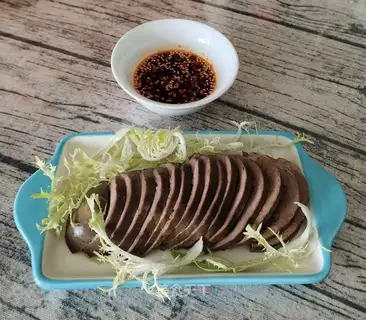
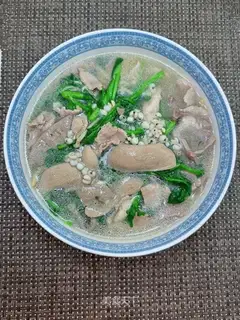
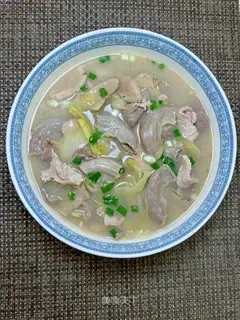
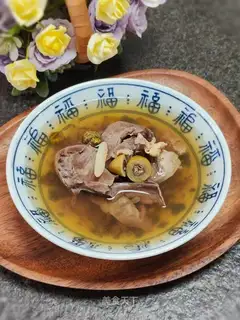
Common cooking methods for pork heart include grilling, roasting, braising, or stewing. To enhance tenderness, some recipes recommend marinating the heart overnight or boiling it briefly before cooking to remove any gamy flavor. The heart can be sliced, diced, or ground and used in dishes like stews, kebabs, or tacos, much like other cuts of pork.
Dietary Restrictions and Health Conditions
Individuals with certain health conditions should exercise caution when consuming pork heart:
- High Cholesterol or Heart Disease: While the cholesterol in pork heart is less concerning for most people, those with existing heart disease or high cholesterol should consult their healthcare provider before adding organ meats to their diet.
- Gout: Pork heart is moderately high in purines, which can trigger gout attacks in susceptible individuals. Gout sufferers should limit their intake or avoid pork heart altogether.
- Kidney Disease: The high protein and mineral content of pork heart may be problematic for individuals with kidney disease, as their kidneys may struggle to filter excess nutrients. A healthcare professional can advise on appropriate portion sizes.
Conclusion: Rediscovering a Nutrient-Rich Staple
Pork heart is a nutritional gem, offering a unique combination of high-quality protein, essential vitamins, and minerals that support heart health, brain function, and overall vitality. Its rich flavor and versatility in cooking make it a worthwhile addition to a balanced diet, particularly for those seeking nutrient-dense, sustainable protein sources.
By sourcing high-quality pork heart, cooking it properly, and consuming it in moderation, individuals can reap its health benefits while minimizing risks. Whether braised in a savory stew, grilled with herbs, or ground into a hearty burger, pork heart is a testament to the wisdom of traditional foods—proving that some of the most nutritious ingredients are often hiding in plain sight. As we continue to explore the connection between diet and health, pork heart deserves a place at the table as a delicious, nutrient-packed superfood.