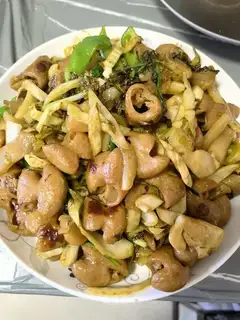
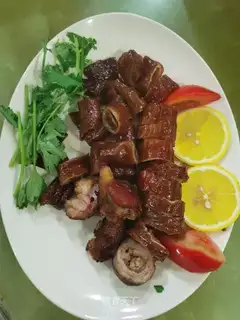
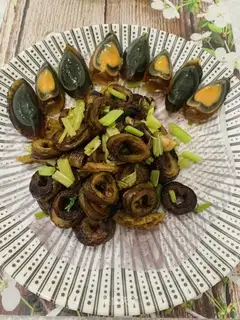
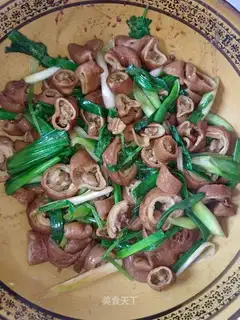
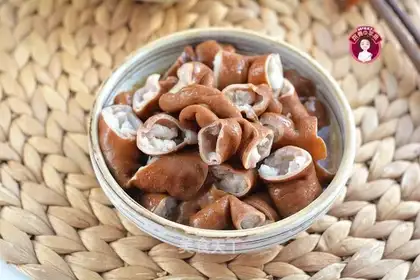
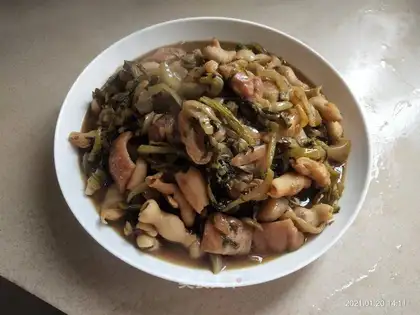
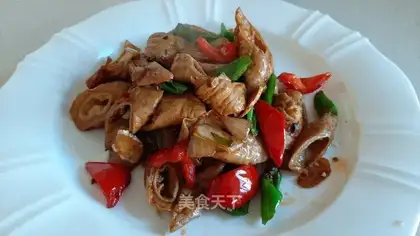
Pig intestine, a traditional ingredient in many cuisines across Asia, Europe, and Latin America, has long been valued for its unique texture, rich flavor, and purported health benefits. Often referred to as "chitterlings" in English-speaking countries, this organ meat is a staple in dishes like soto (Indonesia), tripas (Mexico), and chitterlings (Southern U.S.). While it is celebrated for its culinary versatility, pig intestine also sparks debate regarding its nutritional value, potential health risks, and proper consumption practices. This article provides a comprehensive exploration of pig intestine’s nutritional composition, health benefits, and dietary precautions, offering a balanced perspective on this often-misunderstood ingredient.
Nutritional Value of Pig Intestine
Pig intestine is a nutrient-dense food, rich in protein, vitamins, and minerals, though it also contains significant amounts of fat and cholesterol. A 100-gram serving of cooked pig intestine provides approximately:
- Protein: 14–16 grams, making it a good source of high-quality protein essential for muscle repair, immune function, and enzyme production. The protein in pig intestine is complete, containing all nine essential amino acids, including lysine and leucine, which are vital for growth and metabolism.
- Vitamins: It is particularly rich in B vitamins, including B12 (cobalamin), which is crucial for nerve function, DNA synthesis, and red blood cell formation. A 100-gram serving can provide up to 30–40% of the daily recommended intake of B12. It also contains significant amounts of B6 (pyridoxine), which aids in protein metabolism and cognitive health, and riboflavin (B2), which supports energy production and skin health.
- Minerals: Pig intestine is an excellent source of iron, with 100 grams providing around 15–20% of the daily requirement. Iron is essential for hemoglobin production, preventing anemia. It also contains zinc (important for immune function and wound healing), selenium (a powerful antioxidant), and copper, which supports iron absorption and cardiovascular health.
- Fat and Cholesterol: A 100-gram serving contains 10–15 grams of fat, mostly saturated fat, and 200–300 milligrams of cholesterol—significantly higher than muscle meats. While high cholesterol intake was once linked to heart disease, recent research suggests that dietary cholesterol has a smaller impact on blood cholesterol levels for most people than previously thought. However, individuals with existing cardiovascular conditions should consume it in moderation.
Overall, pig intestine can be a valuable addition to a balanced diet when consumed in moderation, providing essential nutrients that are often lacking in plant-based or processed foods.
Health Benefits of Pig Intestine
Beyond its nutritional profile, pig intestine is traditionally believed to offer several health benefits, many of which are supported by modern science.
1. Supports Blood Health
The high iron and vitamin B12 content in pig intestine makes it particularly beneficial for individuals with anemia or iron deficiency. Iron is a key component of hemoglobin, the protein in red blood cells that carries oxygen throughout the body. Vitamin B12, on the other hand, is necessary for the maturation of red blood cells; a deficiency can lead to megaloblastic anemia, characterized by fatigue, weakness, and shortness of breath. For pregnant women, growing children, or vegetarians/vegans (who may struggle to obtain B12 from plant sources), pig intestine can be a valuable dietary supplement.
2. Boosts Immune Function
Pig intestine is rich in zinc, a mineral that plays a critical role in immune cell development and function. Zinc helps regulate inflammation, supports wound healing, and enhances the body’s response to infections. Studies have shown that zinc deficiency can impair immune function, increasing susceptibility to illnesses like colds and respiratory infections. A single serving of pig intestine can provide 20–30% of the daily recommended zinc intake, making it a practical choice for maintaining immune health.
3. Promotes Skin and Hair Health
The B vitamins (particularly B2, B3, and B12) in pig intestine are essential for maintaining healthy skin and hair. Riboflavin (B2) supports collagen production, which keeps skin firm and elastic, while niacin (B3) helps retain moisture and reduces inflammation. Vitamin B12, meanwhile, aids in cell reproduction, which is vital for skin repair and hair growth. For individuals with dry skin, brittle hair, or slow-healing wounds, incorporating pig intestine into the diet may offer relief.
4. Enhances Energy Metabolism
Pig intestine is a concentrated source of B vitamins, which act as coenzymes in the body’s energy production pathways. For example, thiamine (B1) helps convert carbohydrates into energy, while pantothenic acid (B5) supports the synthesis of coenzyme A, a molecule involved in fat and carbohydrate metabolism. This makes pig intestine a beneficial food for athletes, individuals with high energy demands, or those experiencing fatigue due to nutrient deficiencies.
5. Traditional Medicinal Uses
In traditional Chinese medicine (TCM), pig intestine is believed to "nourish the yin" and moisten dryness, making it a remedy for conditions like constipation, dry cough, and skin dehydration. It is often cooked with herbs like goji berries or Chinese yam to enhance its therapeutic effects. Similarly, in other cultures, pig intestine is thought to "strengthen the digestive system" due to its high collagen content, which may support gut lining integrity.
食用禁忌和潜在风险 (Dietary Restrictions and Potential Risks)
While pig intestine offers numerous health benefits, it is not without risks. Certain populations should avoid or limit consumption, and proper preparation is essential to ensure safety.
1. High Saturated Fat and Cholesterol
Pig intestine is relatively high in saturated fat (about 4–5 grams per 100 grams), which can raise LDL ("bad") cholesterol levels when consumed in excess. Individuals with hypercholesterolemia, heart disease, or a family history of cardiovascular issues should limit their intake to occasional small portions. For most healthy adults, moderation is key—enjoying pig intestine once or twice a month is unlikely to pose significant health risks.
2. Risk of Bacterial Contamination
As an organ meat, pig intestine is more susceptible to bacterial contamination (e.g., Salmonella, E. coli, and Yersinia) than muscle meats, especially if not handled or cooked properly. The intestine’s role in waste elimination means it may harbor harmful pathogens if not thoroughly cleaned and cooked to an internal temperature of 74°C (165°F). Pregnant women, young children, the elderly, and immunocompromised individuals should avoid undercooked pig intestine to prevent foodborne illnesses.
3. Purine Content
Pig intestine is high in purines, natural compounds that break down into uric acid in the body. Excess uric acid can lead to gout or kidney stones in susceptible individuals. Those with a history of gout, kidney disease, or high uric acid levels should avoid or strictly limit their consumption of pig intestine.
4. Sodium and Additives
Processed pig intestine products, such as cured sausages or smoked chitterlings, often contain high levels of sodium and preservatives (e.g., nitrates). Excess sodium can contribute to hypertension and water retention, while nitrates have been linked to an increased risk of certain cancers when consumed in large quantities. Opting for fresh, unprocessed pig intestine and preparing it at home is the best way to avoid these additives.
5. Cultural and Religious Considerations
In some cultures and religions, consuming organ meats is restricted. For example, in Judaism and Islam, pork is strictly forbidden, making pig intestine unacceptable for observant followers. Vegetarians and vegans also avoid pig intestine due to its animal origin. It is important to respect these dietary preferences and restrictions when sharing or serving dishes containing pig intestine.
Proper Preparation and Cooking Methods
To maximize the benefits of pig intestine while minimizing risks, proper preparation is crucial:
1. Cleaning: Thoroughly wash the intestine under cold running water, then soak it in vinegar or salt water for 30 minutes to remove residual waste and odor. Some recipes also recommend rubbing the intestine with flour or cornstarch to further cleanse it.
2. Boiling: Boil the intestine for 15–20 minutes before cooking it in the desired dish. This step helps kill bacteria and tenderize the texture.
3. Cooking Methods: Stir-frying, stewing, or grilling are popular ways to cook pig intestine. Pairing it with aromatic vegetables (e.g., garlic, ginger, onions) and spices (e.g., star anise, cinnamon) can enhance flavor while adding antioxidants.
4. Portion Control: Limit servings to 50–100 grams per meal to avoid excessive fat and cholesterol intake.
Conclusion
Pig intestine is a nutrient-rich ingredient that offers a range of health benefits, from supporting blood health and immune function to enhancing energy metabolism. However, its high saturated fat, cholesterol, and purine content, coupled with the risk of bacterial contamination, mean it should be consumed in moderation and with proper preparation. For most healthy adults, incorporating pig intestine into a balanced diet occasionally can be a delicious and nutritious choice. However, individuals with underlying health conditions or dietary restrictions should consult a healthcare provider before including it in their meals.
Ultimately, pig intestine exemplifies the principle of "food as medicine"—a traditional ingredient that, when used wisely, can contribute to a healthy and diverse diet. By understanding its nutritional value, benefits, and risks, consumers can make informed decisions and enjoy this unique ingredient safely.