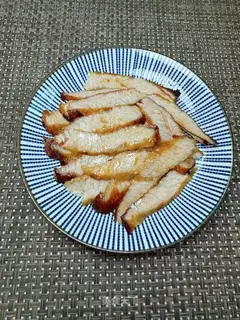
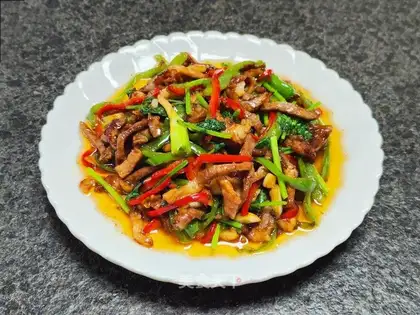
In the ever-evolving landscape of culinary arts and nutritional science, certain cuts of meat often fly under the radar, overshadowed by more popular counterparts like pork loin or bacon. One such unsung hero is pork neck meat—a versatile, flavorful, and nutrient-dense cut sourced from the muscular region connecting a pig’s head to its shoulder. While traditionally used in sausages, stews, or slow-cooked dishes in many cultures, pork neck meat has recently gained traction among health-conscious cooks and food enthusiasts for its unique balance of leanness, tenderness, and nutritional benefits. This article explores the nutritional profile of pork neck meat, its evidence-based health benefits, potential risks, and practical guidelines for safe consumption, offering a comprehensive guide to incorporating this underrated cut into a healthy diet.
Nutritional Profile of Pork Neck Meat
Pork neck meat, often labeled as “pork collar” or “Boston butt” in some markets, is distinguished by its marbling—fine streaks of fat interspersed with lean muscle—which contributes to both its juiciness and nutritional value. A 3.5-ounce (100-gram) serving of cooked, boneless pork neck meat typically contains the following nutrients, according to the U.S. Department of Agriculture (USDA):
Macronutrients: A Balance of Protein and Healthy Fats
- Protein: Approximately 22–25 grams of high-quality protein, making it an excellent source of essential amino acids (e.g., leucine, isoleucine, and valine) that support muscle synthesis, tissue repair, and immune function. Protein accounts for ~45% of its total calories, comparable to lean cuts like pork tenderloin but with a richer flavor due to marbling.
- Fat: 14–18 grams, with a favorable fatty acid profile. While it contains saturated fat (5–6 grams), it also provides monounsaturated fat (6–7 grams), including oleic acid—the same heart-healthy fat abundant in olive oil. Polyunsaturated fats (1–2 grams), such as omega-6 fatty acids, are present in smaller amounts.
- Carbohydrates: Negligible (0 grams), as all animal meats are naturally carb-free, making it suitable for low-carb and ketogenic diets.
Micronutrients: A Treasure Trove of Essential Vitamins and Minerals
Pork neck meat is a nutritional powerhouse, particularly for micronutrients often lacking in plant-based diets:
- Vitamin B12 (Cobalamin): ~1.2 micrograms (mcg) per 3.5-ounce serving—100% of the Daily Value (DV). Vitamin B12 is critical for nerve function, red blood cell formation, and DNA synthesis; deficiency can lead to anemia, fatigue, and neurological damage.
- Vitamin B6 (Pyridoxine): ~0.6 mg (35% DV). This vitamin aids in protein metabolism, neurotransmitter production (e.g., serotonin and dopamine), and immune regulation.
- Niacin (Vitamin B3): ~7 mg (44% DV). Niacin supports energy metabolism, skin health, and cholesterol management by reducing LDL (“bad”) cholesterol and increasing HDL (“good”) cholesterol.
- Zinc: ~3 mg (27% DV). Zinc is essential for immune function, wound healing, and DNA synthesis. It also plays a role in taste and smell perception.
- Selenium: ~25 mcg (45% DV). A potent antioxidant, selenium protects cells from oxidative stress, supports thyroid hormone production, and may reduce the risk of certain cancers.
- Phosphorus: ~200 mg (20% DV). Phosphorus works with calcium to build strong bones and teeth, and it is vital for energy production (via ATP) and cell signaling.
- Iron: ~1.5 mg (8% DV) as heme iron, which is more easily absorbed by the body than non-heme iron (from plants). Iron is key for oxygen transport in hemoglobin and myoglobin, preventing iron-deficiency anemia.
Calories and Energy Density
At ~250–280 calories per 3.5-ounce serving, pork neck meat is moderately calorie-dense but provides sustained energy due to its protein and fat content. This makes it a satisfying option for weight management when consumed in moderation as part of a balanced diet.
Health Benefits of Pork Neck Meat
Beyond its impressive nutritional profile, pork neck meat offers several evidence-based health benefits, supported by scientific research on its components:
1. Supports Muscle Maintenance and Growth
The high-quality protein in pork neck meat is rich in branched-chain amino acids (BCAAs), particularly leucine, which stimulates muscle protein synthesis (MPS). This makes it an ideal food for athletes, older adults (to combat sarcopenia, or age-related muscle loss), and individuals recovering from injury. A 2020 study in the Journal of the International Society of Sports Nutrition confirmed that animal-based proteins like pork are more effective at promoting MPS than plant-based proteins due to their higher leucine content and digestibility.
2. Boosts Immune Function
Pork neck meat is a top source of zinc and selenium, two minerals critical for immune health. Zinc regulates immune cell activity (e.g., T-cells and natural killer cells), while selenium enhances the production of glutathione, a powerful antioxidant that reduces inflammation. A 2018 review in Nutrients highlighted that zinc deficiency impairs immune responses, increasing susceptibility to infections—making pork neck meat a valuable dietary addition for immune support.
3. Enhances Energy and Metabolic Health
The B vitamins in pork neck meat (B12, B6, and niacin) play a central role in energy metabolism. Vitamin B12 helps convert food into glucose, the body’s primary energy source, while niacin supports the function of enzymes involved in ATP production. Additionally, the monounsaturated fats in pork neck meat may improve insulin sensitivity. A 2019 study in The American Journal of Clinical Nutrition found that replacing saturated fats with monounsaturated fats reduces the risk of type 2 diabetes by improving glucose metabolism.
4. Promotes Brain and Nervous System Health
Vitamin B12 is indispensable for brain health. It maintains the myelin sheath that protects nerve fibers and supports the production of neurotransmitters like serotonin and dopamine. Deficiency in B12 is linked to cognitive decline, memory loss, and depression—conditions that may be mitigated by adequate B12 intake. Pork neck meat’s B12 content makes it a brain-friendly food, especially for vegetarians/vegans who struggle to obtain B12 from plant sources.
5. Supports Bone Health
Phosphorus and calcium work synergistically to build and maintain bone density. Pork neck meat provides a significant amount of phosphorus, which makes up ~85% of the body’s phosphorus stores in bones. A 2021 study in Osteoporosis International noted that adequate phosphorus intake reduces the risk of osteoporosis, particularly in postmenopausal women.
6. Contributes to Skin, Hair, and Nail Health
The protein, zinc, and B vitamins in pork neck meat support the production of collagen, a protein that keeps skin firm and elastic. Zinc also aids in wound healing and reduces acne by regulating sebum production. Niacin improves skin barrier function and may reduce inflammation associated with skin conditions like eczema.
Potential Risks and Consumption Considerations
While pork neck meat offers numerous health benefits, it is important to be aware of potential risks and consume it responsibly to maximize safety and nutritional value.
1. Saturated Fat and Cardiovascular Health
Pork neck meat contains more saturated fat than lean cuts like pork loin (5–6 grams per 3.5 ounces vs. 2–3 grams in loin). Excessive saturated fat intake is linked to elevated LDL cholesterol and an increased risk of heart disease. However, the monounsaturated fats in pork neck meat may offset some of these risks. The American Heart Association (AHA) recommends limiting saturated fat to <5–6% of daily calories (e.g., 13–15 grams for a 2,000-calorie diet). For most people, consuming pork neck meat in moderation (1–2 times per week) as part of a diet rich in fruits, vegetables, and whole grains is unlikely to harm heart health.
2. Sodium Content (When Processed)
Unprocessed pork neck meat is low in sodium (~60 mg per 3.5 ounces), but processed versions (e.g., sausages, cured collar bacon) often contain added salt to preserve flavor and texture. A single serving of processed pork neck sausage can provide 500–1,000 mg of sodium—20–40% of the AHA’s recommended daily limit of 2,300 mg. High sodium intake is a major risk factor for hypertension and stroke. To minimize sodium, choose fresh, unprocessed pork neck meat and limit processed products.
3. Risk of Foodborne Illness
Like all raw meats, pork neck meat can harbor harmful bacteria such as Salmonella, E. coli, and Yersinia, as well as parasites like Trichinella. Undercooked pork is a known source of trichinellosis, a rare but serious infection caused by Trichinella larvae, which causes symptoms like muscle pain, fever, and gastrointestinal issues. To reduce risk:
- Cook pork neck meat to an internal temperature of 145°F (63°C) followed by a 3-minute rest, per USDA guidelines.
- Avoid cross-contamination by using separate cutting boards and utensils for raw meat.
- Store pork neck meat at 40°F (4°C) or below and use within 1–2 days of purchase (or freeze for up to 6 months).
4. Purine Content and Gout
Pork neck meat is moderately high in purines (natural compounds that break down into uric acid). In individuals with gout or a history of uric acid kidney stones, excessive purine intake can trigger painful flare-ups. The Mayo Clinic recommends limiting high-purine foods (e.g., organ meats, certain cuts of pork) to <4–6 ounces per week for those with gout.
5. Hormones and Antibiotics
Conventionally raised pigs may be given antibiotics and growth hormones to prevent disease and promote growth. While regulatory agencies like the FDA and USDA monitor these practices to ensure residue levels are safe, some consumers prefer organic or pasture-raised pork to minimize exposure. Organic pork is raised without antibiotics or synthetic hormones, and pasture-raised pork tends to have a healthier fatty acid profile (e.g., more omega-3 fatty acids).
Practical Tips for Cooking and Incorporating Pork Neck Meat
Pork neck meat’s versatility makes it a favorite among chefs home cooks alike. Here are some practical tips to maximize its flavor and nutritional benefits:
1. Choose Quality Cuts
- Fresh vs. Processed: Opt for fresh, boneless pork neck meat with visible marbling (for tenderness) and no discoloration. Avoid processed versions (e.g., sausages) to reduce sodium and preservatives.
- Organic/Pasture-Raised: If available, choose organic or pasture-raised pork to avoid antibiotics and hormones and improve fat quality.
2. Cooking Methods to Preserve Nutrients
- Grilling/Broiling: High-heat methods like grilling or broiling can create harmful compounds (e.g., heterocyclic amines, HCAs). To reduce HCAs, marinate the meat in acidic solutions (e.g., lemon juice, vinegar) or herbs (e.g., rosemary, thyme) before cooking.
- Slow Cooking: Braising or stewing pork neck meat in broth or tomato sauce (rich in lycopene, an antioxidant) tenderizes the cut and preserves nutrients while adding flavor.
- Air Frying: A healthier alternative to deep-frying, air frying uses less oil and reduces the formation of acrylamides (potentially carcinogenic compounds formed in fried foods).
3. Flavor Pairings to Enhance Health Benefits
- Herbs and Spices: Use rosemary, thyme, garlic, and turmeric to boost antioxidant and anti-inflammatory properties.
- Vegetables: Pair with fiber-rich vegetables (e.g., broccoli, spinach, bell peppers) to slow carbohydrate absorption and increase satiety.
- Healthy Fats: Serve with avocado or a drizzle of olive oil to increase monounsaturated fat intake.
4. Portion Control
Aim for 3–4 ounces (85–115 grams) of cooked pork neck meat per meal to balance protein and fat intake without exceeding recommended limits for saturated fat.
Conclusion
Pork neck meat is a nutritional powerhouse that offers a unique blend of high-quality protein, essential vitamins, and minerals, making it a valuable addition to a balanced diet. Its benefits—ranging from muscle support and immune health to energy metabolism—are backed by scientific research, while its versatility in cooking allows for endless culinary creativity. However, mindful consumption is key: choose fresh, high-quality cuts, cook thoroughly to avoid foodborne illness, limit processed versions to reduce sodium, and balance intake with nutrient-dense plant foods. When enjoyed in moderation, pork neck meat can be both a delicious and health-promoting choice, proving that this underrated cut deserves a place in the modern kitchen. As with all foods, the key to maximizing its benefits lies in knowledge, preparation, and balance—turning a simple cut of meat into a cornerstone of healthy eating.