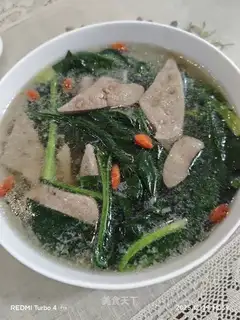
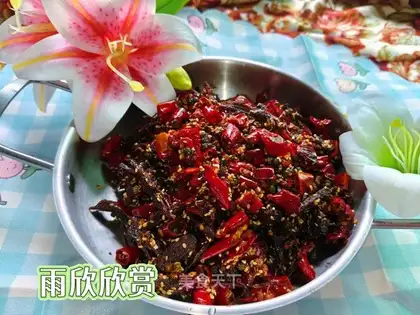
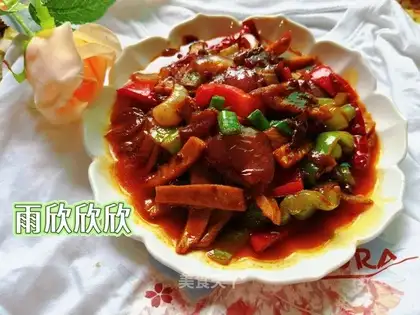
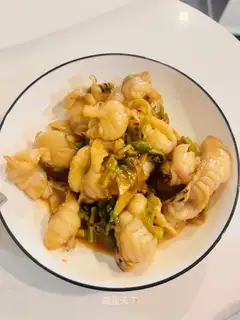
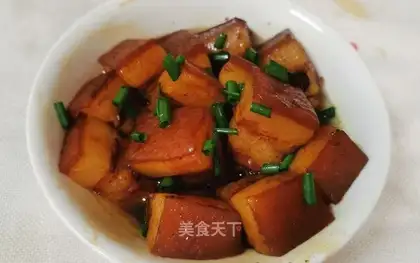
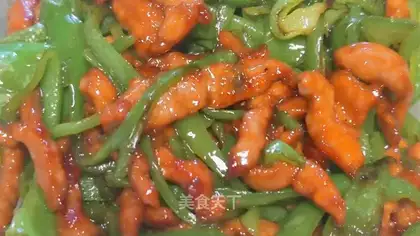
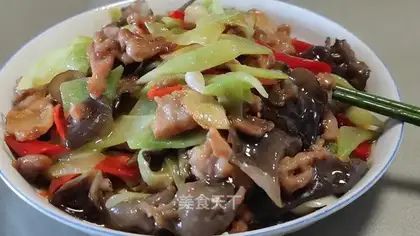
Hua Diao wine, a traditional Chinese yellow rice wine, has been cherished for over 2,500 years since the Spring and Autumn Period. Originating from the Shaoxing region in Zhejiang Province, this amber-hued elixir is not merely a culinary ingredient but a cultural symbol deeply rooted in Chinese heritage. Brewed from glutinous rice, wheat, and water, Hua Diao wine undergoes a unique fermentation process involving multiple yeast strains and years of aging in clay jars, which imparts its complex flavor and nutritional richness. Beyond its role in marinating meats, enhancing soups, and balancing flavors in dishes, Hua Diao wine is celebrated for its impressive nutritional profile and health benefits. However, like all alcoholic beverages, it must be consumed with caution to avoid potential risks. This article explores the nutritional value, health benefits, and precautions associated with Hua Diao wine.
Nutritional Value of Hua Diao Wine
Hua Diao wine’s nutritional composition is a result of its meticulous brewing process. Unlike Western wines, which are primarily fermented from grapes, Hua Diao wine is derived from glutinous rice, making it a source of carbohydrates, amino acids, vitamins, and organic acids.
1. Amino Acids and Proteins
The fermentation of glutinous rice and wheat breaks down proteins into essential and non-essential amino acids. Hua Diao wine contains all eight essential amino acids, including lysine, methionine, and phenylalanine, which are crucial for human metabolism and cannot be synthesized by the body. Studies show that it contains up to 16 amino acids in total, with glutamic acid (which enhances umami flavor) being the most abundant. These amino acids contribute to the wine’s nutritional value, supporting muscle repair, immune function, and overall cellular health.
2. Vitamins and Minerals
Hua Diao wine is a natural source of B vitamins, particularly B1 (thiamine), B2 (riboflavin), and B12 (cobalamin). These vitamins play vital roles in energy metabolism, nerve function, and red blood cell formation. For instance, vitamin B1 helps convert carbohydrates into energy, while B12 supports neurological health. Additionally, the wine contains trace minerals such as zinc, selenium, and potassium, which are essential for immune support, antioxidant defense, and maintaining electrolyte balance.
3. Organic Acids and Polyphenols
During fermentation, organic acids like lactic acid, acetic acid, and citric acid are produced, which aid digestion and promote gut health. These acids also give Hua Diao wine its characteristic tangy flavor. Moreover, the wine contains polyphenols, including flavonoids and phenolic acids, which act as antioxidants. These compounds neutralize free radicals, reducing oxidative stress and lowering the risk of chronic diseases.
4. Carbohydrates and Low Alcohol Content
Hua Diao wine has a moderate alcohol content, typically ranging from 12% to 18% by volume, making it less potent than spirits but more flavorful than beer or light wines. Its carbohydrates, derived from glutinous rice, provide a quick source of energy, making it a popular ingredient in recovery diets, especially for postpartum women in traditional Chinese medicine (TCM).
Health Benefits of Hua Diao Wine
Hua Diao wine’s nutritional composition translates into several health benefits, recognized both in modern science and traditional Chinese medicine.
1. Enhances Digestion and Appetite
The organic acids in Hua Diao wine stimulate the secretion of digestive enzymes, improving gastrointestinal motility and alleviating indigestion. In TCM, it is often prescribed to individuals with poor appetite or bloating, as its warm nature helps “invigorate the spleen and stomach.” A small amount of Hua Diao wine consumed before meals can enhance saliva and gastric acid production, making it easier to digest food.
2. Boosts Immune Function
The amino acids, vitamins, and antioxidants in Hua Diao wine collectively support immune health. Vitamin C, though not abundant, works synergistically with polyphenols to strengthen the body’s defense against infections. Selenium, a trace mineral in the wine, is a key component of antioxidant enzymes that protect cells from damage. Regular moderate consumption has been linked to reduced incidence of colds and other respiratory illnesses.
3. Promotes Cardiovascular Health
Moderate intake of Hua Diao wine may benefit heart health by improving blood circulation and reducing LDL (“bad”) cholesterol. The polyphenols, particularly resveratrol (also found in red wine), inhibit platelet aggregation, lowering the risk of blood clots and atherosclerosis. A study published in the Journal of Agricultural and Food Chemistry found that the polyphenols in traditional Chinese rice wines, including Hua Diao, exhibit anti-inflammatory effects that protect blood vessels.
4. Anti-Aging and Skin Benefits
The antioxidants in Hua Diao wine combat oxidative stress, a major contributor to aging and skin damage. By neutralizing free radicals, these compounds help maintain skin elasticity and reduce the appearance of wrinkles. In TCM, Hua Diao wine is used in herbal remedies to “nourish blood and improve complexion,” and modern research supports its role in promoting skin health when consumed in moderation.
5. Warms the Body and Relieves Discomfort
In TCM, Hua Diao wine is classified as a “warming” food, meaning it improves blood circulation and dispels “cold” from the body. It is commonly used to alleviate symptoms of colds, such as chills and body aches, when mixed with ginger or green onions. For women, it is believed to relieve menstrual cramps by promoting blood flow to the abdomen. Postpartum mothers often consume Hua Diao wine-based dishes, such as wine-steamed fish, to recover strength and expel “lochi,” a discharge after childbirth.
6. Culinary Benefits: Nutrient Absorption in Cooking
When used in cooking, Hua Diao wine not only adds flavor but also enhances the nutritional value of dishes. The alcohol in the wine helps dissolve fat-soluble vitamins (A, D, E, K) in ingredients, making them more bioavailable. For example, marinating meat in Hua Diao wine tenderizes the tissue by breaking down proteins, while the amino acids in the wine are retained in the dish, boosting its nutritional content.
Precautions and Consumption Guidelines
While Hua Diao wine offers numerous benefits, excessive consumption can lead to adverse effects. Understanding its limitations is crucial to enjoying it safely.
1. Moderation is Key
The World Health Organization (WHO) recommends limiting alcohol intake to no more than 10 grams of pure alcohol per day for women and 20 grams for men. For Hua Diao wine (with 12–18% alcohol), this translates to approximately 50–100 ml per day for women and 100–200 ml for men for men. Excessive drinking can damage the liver, increase blood pressure, and raise the risk of addiction.
2. Avoid During Pregnancy and Breastfeeding
Pregnant and breastfeeding women should avoid Hua Diao wine, as alcohol can cross the placenta and harm fetal development, leading to fetal alcohol syndrome. It may also pass into breast milk, affecting the baby’s growth and motor skills.
3. Not for Individuals with Certain Health Conditions
People with liver disease, gastritis, ulcers, or diabetes should steer clear of Hua Diao wine. Alcohol can exacerbate liver inflammation, irritate the stomach lining, and interfere with blood sugar control. Additionally, individuals on medications such as anticoagulants or antidepressants should avoid it, as alcohol can interact with drugs, causing adverse effects.
4. Allergies and Sensitivities
Though rare, some individuals may be allergic to sulfites or histamines present in Hua Diao wine. Symptoms include hives, difficulty breathing, or digestive distress. Those with a history of alcohol intolerance should also avoid it.
5. Not for Children and Adolescents
The developing bodies of children and adolescents are more susceptible to alcohol’s harmful effects, including impaired brain development and increased risk of addiction. Hua Diao wine should never be given to minors.
6. Quality Matters
Authentic Hua Diao wine is aged in clay jars for at least one year, with premium varieties aged for decades. Fake or low-quality products may contain additives or harmful substances. Consumers should purchase from reputable brands and check for certifications to ensure safety.
Conclusion
Hua Diao wine is a remarkable blend of tradition, flavor, and nutrition. Its rich amino acid profile, vitamins, minerals, and antioxidants make it a valuable addition to a balanced diet, offering benefits such as improved digestion, enhanced immunity, and better cardiovascular health. However, these advantages are contingent on moderate consumption and awareness of potential risks. For centuries, this golden elixir has been a staple in Chinese households, symbolizing prosperity and well-being. Today, as global interest in traditional foods grows, Hua Diao wine stands out not just as a culinary delight but as a testament to the wisdom of ancient brewing practices. By enjoying it responsibly, one can savor its unique taste while reaping its health rewards, ensuring that this cultural treasure continues to thrive for generations to come.