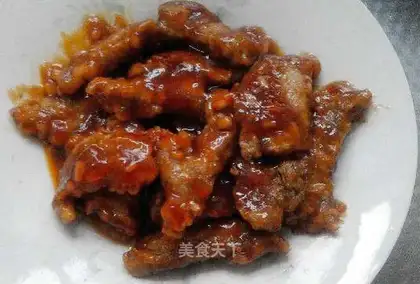
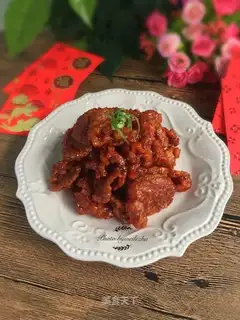
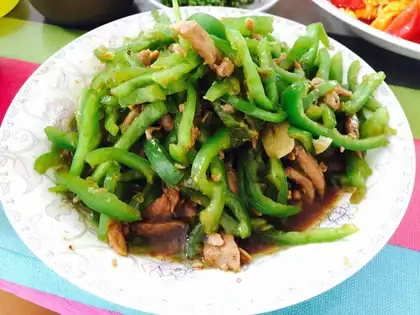
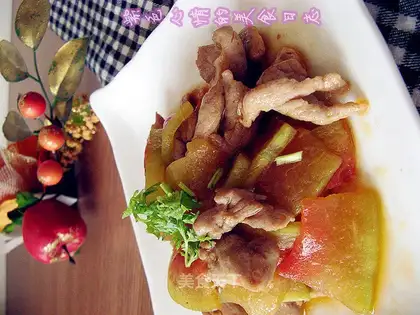
Pork tenderloin, often hailed as the "filet mignon of pork," is a lean and versatile cut of meat that has long been a staple in cuisines worldwide. Sourced from the psoas major muscle running along the backbone, this cut is prized for its tenderness, mild flavor, and minimal fat content, making it a favorite among health-conscious consumers and culinary enthusiasts alike. Beyond its culinary appeal, pork tenderloin offers a rich nutritional profile and several health benefits, though it also requires careful handling and consumption to maximize its advantages and avoid potential risks. This article explores the nutritional value of pork tenderloin, its key health benefits, and important precautions to consider when incorporating it into a balanced diet.
Nutritional Value of Pork Tenderloin
Pork tenderloin stands out among meat cuts for its exceptional nutrient density, particularly its high-quality protein content and abundance of essential vitamins and minerals. A 100-gram (3.5-ounce) serving of cooked, lean pork tenderloin (trimmed of visible fat) provides approximately 22 grams of protein, making it an excellent source of this macronutrient, which is vital for muscle repair, immune function, and overall growth. Unlike fattier cuts of pork, tenderloin contains only 3–4 grams of fat per serving, with less than 1 gram being saturated fat, aligning with dietary guidelines that recommend limiting saturated fat intake to reduce the risk of heart disease.
In terms of micronutrients, pork tenderloin is a nutritional powerhouse. It is one of the best dietary sources of vitamin B12, a nutrient critical for nerve function, red blood cell formation, and DNA synthesis. A 100-gram serving provides approximately 0.6 micrograms of vitamin B12, covering 25% of the daily recommended intake for adults. This is particularly important for vegetarians and vegans, who often struggle to obtain sufficient B12 from plant-based sources, though pork tenderloin remains a top choice for omnivores.
The cut is also rich in thiamine (vitamin B1), with 100 grams offering around 0.5 milligrams—over 40% of the daily value. Thiamine plays a key role in energy metabolism by helping the body convert carbohydrates into usable energy, and its deficiency can lead to fatigue, muscle weakness, and nerve damage. Additionally, pork tenderloin provides significant amounts of niacin (vitamin B3), which supports digestive health, skin function, and cholesterol regulation, and vitamin B6, essential for brain development and neurotransmitter production.
Mineral content is another highlight. Pork tenderloin is an excellent source of selenium, a trace mineral that acts as a powerful antioxidant, protecting cells from damage and supporting thyroid function. A 100-gram serving contains around 35 micrograms of selenium, meeting over 60% of the daily requirement. It also provides zinc, crucial for immune health, wound healing, and DNA synthesis, and phosphorus, which works with calcium to maintain strong bones and teeth. Notably, pork tenderloin is a rare source of heme iron, the type of iron found in animal products that is more easily absorbed by the body than non-heme iron from plants. A 100-gram serving supplies approximately 1.5 milligrams of iron, helping prevent iron-deficiency anemia, a common condition characterized by fatigue, weakness, and impaired cognitive function.
Health Benefits of Pork Tenderloin
The impressive nutritional profile of pork tenderloin translates into several key health benefits, making it a valuable addition to a balanced diet when consumed in moderation.
1. Supports Muscle Maintenance and Growth
Protein is the building block of muscles, and pork tenderloin’s high-quality protein—containing all nine essential amino acids—makes it ideal for supporting muscle health. This is particularly beneficial for athletes, older adults, and individuals recovering from illness or injury, as adequate protein intake helps repair muscle tissue, prevent muscle loss (sarcopenia), and promote muscle growth. For older adults, who are at increased risk of age-related muscle decline, regular consumption of lean protein sources like pork tenderloin can help maintain mobility, strength, and independence.
2. Enhances Energy Production and Metabolic Health
The B vitamins in pork tenderloin—thiamine, niacin, and B6—are essential for converting food into energy. Thiamine helps break down carbohydrates, while niacin supports the metabolism of fats and proteins, and B6 aids in the production of hemoglobin, which carries oxygen to cells. By optimizing energy metabolism, pork tenderloin can help combat fatigue and improve physical performance. Additionally, the selenium in tenderloin supports thyroid function, which regulates metabolism, making it a valuable nutrient for individuals looking to maintain a healthy weight.
3. Boosts Immune Function
Pork tenderloin’s combination of zinc, selenium, and vitamin B6 makes it a potent immune-boosting food. Zinc is critical for the development and function of immune cells, such as neutrophils and natural killer cells, which help the body fight off infections. Selenium enhances immune response by reducing inflammation and supporting antioxidant defenses, while vitamin B6 promotes the production of antibodies and cytokines, which play a key role in immune signaling. Regular consumption of pork tenderloin may therefore help reduce the risk of common illnesses like colds and flu, particularly during periods of increased stress or physical exertion.
4. Supports Cognitive Health
The nutrients in pork tenderloin also benefit brain function. Vitamin B12, for example, is essential for maintaining the myelin sheath that surrounds nerve fibers, ensuring efficient transmission of nerve signals. Deficiency in B12 has been linked to cognitive decline, memory loss, and even dementia, making adequate intake crucial for long-term brain health. Thiamine and B6 also play roles in cognitive function: thiamine deficiency can cause "Wernicke-Korsakoff syndrome," a neurological disorder characterized by confusion and memory loss, while B6 is involved in the synthesis of neurotransmitters like serotonin and dopamine, which regulate mood and behavior.
5. Promotes Healthy Blood and Prevents Anemia
Thanks to its high heme iron content, pork tenderloin is an effective food for preventing and treating iron-deficiency anemia. Heme iron is absorbed 2–3 times more efficiently than non-heme iron, making it particularly beneficial for individuals with increased iron needs, such as pregnant women, adolescents, and women of childbearing age. Iron is a key component of hemoglobin, which carries oxygen from the lungs to the rest of the body, and adequate iron intake helps prevent symptoms of anemia like fatigue, shortness of breath, and dizziness. Additionally, the vitamin B12 in pork tenderloin works synergistically with iron: B12 is required for the production of red blood cells, and a deficiency can lead to pernicious anemia, a condition characterized by large, immature red blood cells that cannot function properly.
Precautions and Considerations
While pork tenderloin offers numerous health benefits, it is important to consume it mindfully to avoid potential risks. Proper handling, cooking, and portion control are key to maximizing its safety and nutritional value.
1. Safe Handling to Prevent Foodborne Illness
Like all raw meat, pork tenderloin can be contaminated with harmful bacteria such as Salmonella, E. coli, and Yersinia, as well as parasites like Trichinella. To minimize the risk of foodborne illness:
- Store properly: Keep pork tenderloin refrigerated at 4°C (40°F) or below, and use it within 2–3 days of purchase or freeze it for up to 6 months.
- Avoid cross-contamination: Use separate cutting boards, utensils, and plates for raw pork to prevent spreading bacteria to other foods. Wash hands thoroughly with soap and water after handling raw meat.
- Cook thoroughly: Pork tenderloin should be cooked to an internal temperature of 63°C (145°F) with a 3-minute rest time, according to the U.S. Department of Agriculture (USDA). Undercooked pork can harbor Trichinella, a parasite that causes trichinosis, a condition characterized by muscle pain, fever, and gastrointestinal distress.
2. Limit Saturated Fat and Sodium Intake
While pork tenderloin is leaner than other cuts like pork belly or ribs, it still contains small amounts of saturated fat, which can raise LDL ("bad") cholesterol levels and increase the risk of heart disease when consumed in excess. To keep saturated fat intake low, opt for trimmed tenderloin and avoid adding high-fat sauces or marinades. Additionally, processed forms of pork tenderloin, such as cured or smoked varieties (e.g., ham, bacon), are often high in sodium, which can contribute to high blood pressure and increase the risk of heart disease and stroke. Choose fresh, unprocessed pork tenderloin and season it with herbs, spices, and citrus instead of salt to enhance flavor without excess sodium.
3. Moderation for Specific Populations
While pork tenderloin is generally safe for most people, certain populations should consume it in moderation or avoid it altogether:
- Pregnant women: Undercooked pork can expose pregnant women to Toxoplasma gondii, a parasite that can cause serious harm to the fetus. Pregnant women should ensure pork is cooked thoroughly and avoid raw or undercooked pork products.
- Individuals with gout: Pork tenderloin is moderately high in purines, compounds that can trigger gout attacks in susceptible individuals. Those with gout should limit their intake of purine-rich foods, including pork, and consult a healthcare provider or dietitian for personalized advice.
- People with kidney disease: Pork tenderloin is a source of protein and phosphorus, which may need to be restricted in individuals with advanced kidney disease. Those with kidney conditions should work with a healthcare provider to determine an appropriate intake.
4. Balance with a Varied Diet
While pork tenderloin is nutritious, it should be part of a balanced diet that includes a variety of protein sources, such as poultry, fish, legumes, and nuts. A varied diet ensures a wide range of nutrients and reduces the risk of overconsumption of any single nutrient or compound. For example, pairing pork tenderloin with fiber-rich vegetables (e.g., broccoli, spinach) and whole grains (e.g., quinoa, brown rice) can enhance its nutritional benefits: fiber aids digestion and helps regulate blood sugar, while whole grains provide additional vitamins, minerals, and antioxidants.
Conclusion
Pork tenderloin is a nutrient-dense cut of meat that offers a host of health benefits, from supporting muscle growth and energy production to boosting immune function and cognitive health. Its high protein content, abundance of B vitamins, and rich mineral profile make it a valuable addition to a balanced diet, particularly for individuals seeking lean sources of animal protein. However, to fully enjoy its benefits, it is essential to handle and cook pork tenderloin safely, limit intake of saturated fat and sodium, and consume it in moderation as part of a varied diet. By doing so, pork tenderloin can be a delicious and nutritious component of a healthy lifestyle, offering both culinary pleasure and physical well-being.