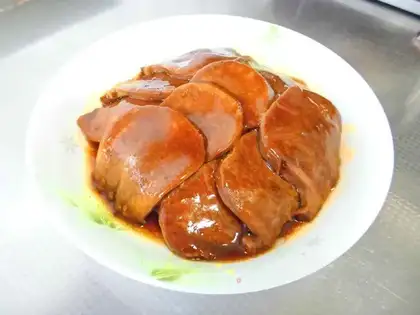
Beef tongue, a often-overlooked yet exceptionally nutrient-dense organ meat, has been a staple in culinary traditions across cultures for centuries. From the lengua tacos of Mexico to the braised tongue in European cuisine, this muscle offers a unique combination of rich flavor, tender texture, and a remarkable nutritional profile. However, its consumption is also accompanied by important considerations, particularly regarding sourcing, preparation, and dietary restrictions. This article explores the nutritional value of beef tongue, its health benefits, potential risks, and guidelines for safe consumption, providing a comprehensive guide for those looking to incorporate this underrated ingredient into their diet.
Nutritional Value of Beef Tongue
Beef tongue is a nutritional powerhouse, packed with high-quality protein, essential vitamins, and minerals that are often lacking in more common cuts of meat. A 100-gram serving of cooked beef tongue (approximately 3.5 ounces) contains approximately 250–300 calories, 20–25 grams of protein, and 15–20 grams of fat, depending on the cut and cooking method. What sets it apart, however, is its concentration of micronutrients.
1. High-Quality Protein
As a muscle, beef tongue is rich in complete protein, providing all nine essential amino acids necessary for human health. Protein is critical for muscle repair, immune function, and the production of enzymes and hormones. For individuals following high-protein diets, such as athletes or those recovering from illness, beef tongue offers a flavorful alternative to leaner cuts like chicken breast or sirloin.
2. Vitamin B12
One of the standout nutrients in beef tongue is vitamin B12 (cobalamin). A 100-gram serving contains an estimated 5–6 micrograms of B12, which is more than 200% of the daily recommended intake (2.4 micrograms for adults). Vitamin B12 is essential for nerve function, DNA synthesis, and the formation of red blood cells. Deficiency can lead to anemia, fatigue, and neurological damage, making beef tongue an excellent choice for individuals at risk of B12 deficiency, such as vegetarians, older adults, or those with digestive disorders like Crohn’s disease.
3. Iron and Zinc
Beef tongue is a potent source of heme iron, the type of iron found in animal products that is more easily absorbed by the body than non-heme iron (from plants). A 100-gram serving provides approximately 3–4 milligrams of iron, meeting 15–20% of the daily requirement for adults. Iron is vital for oxygen transport in the blood and energy production, making it particularly important for pregnant women, adolescents, and individuals with anemia.
Additionally, beef tongue is rich in zinc, with a 100-gram serving supplying 4–5 milligrams (about 30–40% of the daily recommended intake). Zinc plays a key role in immune function, wound healing, and DNA synthesis. It is also crucial for male reproductive health, as it supports testosterone production and sperm development.
4. Other Essential Nutrients
Beef tongue contains significant amounts of vitamin A (in the form of retinol), which is important for vision, immune function, and skin health. It also provides vitamin B6 (for brain development and metabolism), riboflavin (B2), niacin (B3), and phosphorus (for bone health and energy production). Compared to other cuts of beef, tongue is lower in saturated fat, especially when trimmed of external fat, making it a healthier option for those monitoring their fat intake.
Health Benefits of Beef Tongue
The nutrient density of beef tongue translates to several health benefits when consumed as part of a balanced diet.
1. Supports Muscle Mass and Physical Performance
The high protein content in beef tongue makes it an ideal food for maintaining and building muscle mass. Protein provides the amino acids needed for muscle protein synthesis, which is particularly important for athletes, older adults (to combat sarcopenia), and individuals recovering from surgery or injury.
2. Boosts Energy and Reduces Fatigue
The combination of iron, vitamin B12, and zinc in beef tongue helps combat fatigue by improving oxygen transport (via iron) and energy metabolism (via B vitamins). Iron deficiency is a common cause of tiredness, and regular consumption of beef tongue can help prevent or correct this deficiency.
3. Enhances Immune Function
Zinc and vitamin B12 are both critical for a healthy immune system. Zinc supports the development and function of immune cells, while vitamin B12 helps maintain the integrity of the nervous system, which is closely linked to immune regulation. Including beef tongue in the diet may help reduce the frequency and severity of infections.
4. Promotes Skin and Hair Health
Vitamin A, zinc, and protein are all essential for maintaining healthy skin and hair. Vitamin A supports skin cell turnover and collagen production, while zinc helps reduce inflammation and supports wound healing. Protein provides the building blocks for keratin, the protein that makes up hair and nails.
5. Supports Brain Health
Vitamin B12 is particularly important for brain health, as it helps maintain the myelin sheath that protects nerve fibers. Deficiency in B12 has been linked to cognitive decline, memory loss, and even Alzheimer’s disease. Regular consumption of beef tongue may help preserve cognitive function, especially in older adults.
Potential Risks and Considerations
While beef tongue offers numerous health benefits, there are important risks and considerations to keep in mind, particularly regarding sourcing, preparation, and dietary restrictions.
1. Sourcing and Quality
The quality of beef tongue is highly dependent on the animal’s diet and living conditions. Grass-fed beef tongue is generally considered superior to grain-fed, as it contains higher levels of omega-3 fatty acids, vitamin E, and antioxidants. When purchasing beef tongue, opt for organic or grass-fed options when possible, and ensure it is sourced from a reputable butcher or supplier to minimize the risk of contamination.
2. Preparation and Safety
Beef tongue is a tough muscle that requires careful preparation to ensure tenderness and safety. The outer skin of the tongue is often coated in papillae (small bumps) and should be thoroughly cleaned and peeled before cooking. Undercooked beef tongue can pose a risk of foodborne illness, such as Salmonella or E. coli, so it must be cooked to an internal temperature of at least 160°F (71°C).
Common cooking methods include braising, boiling, or slow-cooking, which help break down collagen and make the meat tender. Marinating the tongue in acidic ingredients like vinegar or lemon juice can further enhance tenderness. After cooking, the outer skin should be easily removed, revealing the tender, flavorful meat underneath.
3. Sodium and Fat Content
While beef tongue is lower in saturated fat than many other cuts of beef, it can be high in sodium, especially if cured or brined. Excessive sodium intake is linked to high blood pressure and an increased risk of heart disease. To reduce sodium, opt for fresh (not cured) tongue and limit the use of salt during cooking.
4. Dietary Restrictions and Cultural Taboos
Beef tongue is not suitable for everyone. Vegetarians and vegans, by definition, avoid all animal products, including organ meats. Additionally, some individuals may have cultural or religious restrictions on consuming organ meats, such as Jewish kosher laws or Hindu dietary practices, which prohibit certain parts of the animal.
For individuals with gout or kidney disease, the purine content in beef tongue may be a concern. Purines are compounds that break down into uric acid, and excessive intake can trigger gout attacks or worsen kidney function. Such individuals should consult a healthcare provider before consuming beef tongue.
5. Environmental and Ethical Considerations
Organ meats, including beef tongue, are often considered "by-products" of the meat industry, and their consumption can help reduce food waste by utilizing the entire animal. However, the environmental impact of beef production, including greenhouse gas emissions and land use, remains a concern. Choosing grass-fed, sustainably sourced beef can mitigate some of these issues.
Incorporating Beef Tongue into Your Diet
For those willing to try it, beef tongue can be a delicious and versatile ingredient. Here are some popular ways to prepare it:
- Braised Beef Tongue: Simmer the tongue in a broth with onions, garlic, and herbs until tender. Slice and serve with a tangy sauce (e.g., horseradish or mustard) for a classic European-style dish.
- Tacos de Lengua: A staple in Mexican cuisine, thinly sliced braised tongue is served in corn tortillas with onions, cilantro, and salsa.
- Beef Tongue Sandwiches: Thinly sliced tongue can be used in sandwiches, similar to corned beef, for a flavorful alternative.
- Stews and Curries: Chopped tongue adds rich flavor and texture to stews, curries, or soups.
When cooking beef tongue for the first time, it is important to follow proper preparation and cooking methods to ensure safety and tenderness. Start by cleaning the tongue thoroughly under cold water, then boil it for 1–2 hours until the outer skin can be easily peeled off. Once peeled, return the tongue to the cooking liquid and continue braising until fork-tender.
Conclusion
Beef tongue is a nutrient-dense, flavorful ingredient that offers numerous health benefits, from supporting muscle mass and energy levels to enhancing immune and brain function. Its high content of vitamin B12, iron, zinc, and protein makes it a valuable addition to a balanced diet, particularly for individuals at risk of nutrient deficiencies. However, proper sourcing, preparation, and awareness of potential risks are essential to ensure safe consumption.
For those willing to step outside their culinary comfort zone, beef tongue can be a delicious and sustainable choice. Whether enjoyed in tacos, braised dishes, or sandwiches, this underrated organ meat proves that off-cuts can be both nutritious and delicious. As with any food, moderation and mindfulness are key, and beef tongue can be a healthy and enjoyable part of a diverse and nutrient-rich diet.