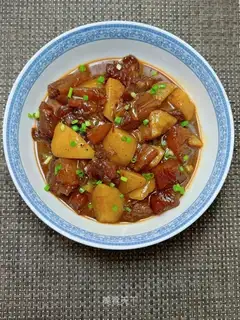
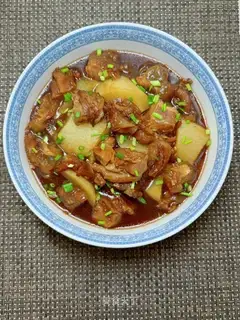
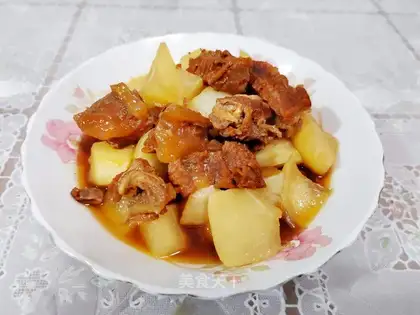
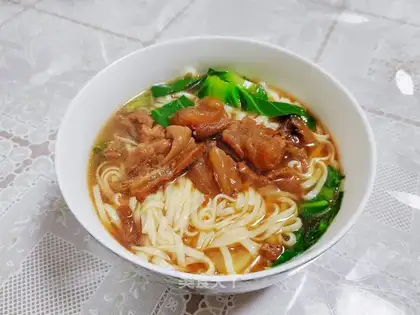
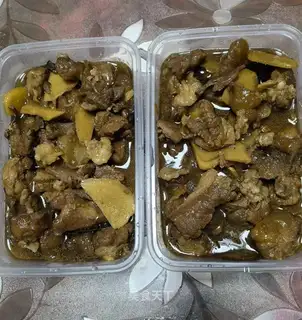
Beef tendon, a collagen-rich connective tissue from cattle, has been a prized ingredient in culinary traditions worldwide for centuries, renowned for its unique texture and versatility. From slow-braised Chinese braised beef tendon (Niujin Zhu) to hearty European stews, this ingredient not only enhances dishes with its gelatinous succulence but also offers a range of nutritional and health benefits. However, like all foods, it must be consumed mindfully to maximize its advantages while avoiding potential risks. This article explores the nutritional profile of beef tendon, its health benefits, and important precautions for safe consumption.
I. Nutritional Value of Beef Tendon
Beef tendon is primarily composed of collagen, a structural protein that accounts for approximately 80-90% of its dry weight. Collagen is a key component of connective tissues in animals, providing strength and elasticity. When cooked slowly, collagen breaks down into gelatin, which gives beef tendon its signature chewy yet tender texture. Beyond its culinary appeal, beef tendon is a nutrient-dense food, offering a unique combination of macronutrients, minerals, and amino acids.
1. Protein and Amino Acids
While beef tendon is not as high in protein as muscle meats (e.g., sirloin or chicken breast), it still provides a valuable source of high-quality protein. A 100-gram serving of cooked beef tendon contains approximately 30-35 grams of protein, essential for muscle repair, immune function, and enzyme production. Unlike muscle meats, which are rich in myosin and actin, tendon protein is dominated by collagen and elastin, which are rich in specific amino acids:
- Glycine: Constitutes about 33% of collagen’s amino acid profile, glycine plays a critical role in detoxification, sleep regulation, and collagen synthesis.
- Proline: Essential for skin, joint, and bone health, proline helps stabilize the triple-helix structure of collagen.
- Hydroxyproline: A modified amino acid unique to collagen, hydroxyproline is vital for connective tissue integrity and wound healing.
These amino acids make beef tendon particularly beneficial for individuals recovering from injuries or those seeking to support joint and skin health.
2. Minerals
Beef tendon is an excellent source of several essential minerals, including:
- Iron: A 100-gram serving provides approximately 2-3 milligrams of iron, crucial for oxygen transport in the blood and prevention of anemia. The heme iron in beef tendon is more easily absorbed by the body than non-heme iron from plant sources.
- Zinc: With around 4-5 milligrams per 100 grams, zinc supports immune function, wound healing, and DNA synthesis.
- Copper: Beef tendon contains small amounts of copper (0.1-0.2 mg per 100 grams), a trace mineral necessary for collagen formation and iron metabolism.
- Phosphorus and Magnesium: These minerals contribute to bone health, energy production, and muscle function.
3. Low Fat and Calorie Content
Compared to fatty cuts of beef, beef tendon is relatively low in fat, with less than 3 grams of fat per 100 grams. Most of this fat is unsaturated, making it a healthier option for those monitoring fat intake. Additionally, it is low in calories (around 150-200 calories per 100 grams when cooked), making it suitable for weight management diets when prepared without excessive oils or sauces.
4. Hydration and Gelatin
The gelatin derived from cooked beef tendon is hydrophilic, meaning it attracts and retains water. This property not only contributes to the ingredient’s moist texture but also supports hydration in the body. Gelatin has also been studied for its potential to improve gut health by strengthening the intestinal lining and promoting the growth of beneficial gut bacteria.
II. Health Benefits of Beef Tendon
The nutritional composition of beef tendon translates into a range of health benefits, particularly for joint, skin, and digestive health.
1. Supports Joint and Bone Health
Collagen is a major component of cartilage, the connective tissue that cushions joints. As we age, collagen production declines, leading to joint stiffness, arthritis, and reduced mobility. The gelatin from beef tendon provides the body with the building blocks (amino acids like glycine and proline) to synthesize new collagen, potentially alleviating joint pain and improving flexibility. A 2017 study published in Nutrients found that collagen supplementation reduced joint pain in athletes with exercise-related joint discomfort. While most research focuses on collagen supplements, consuming collagen-rich foods like beef tendon may offer similar benefits, especially when combined with vitamin C (which enhances collagen absorption).
2. Promotes Skin Health and Anti-Aging
Skin is rich in collagen, which provides elasticity and firmness. As collagen levels decrease with age, the skin becomes prone to wrinkles and sagging. The amino acids in beef tendon support skin regeneration by stimulating fibroblasts (cells that produce collagen) and hyaluronic acid (a molecule that retains skin moisture). Additionally, gelatin’s antioxidant properties may help protect skin from UV damage and environmental pollutants. Regular consumption of beef tendon, as part of a balanced diet rich in fruits and vegetables, may contribute to a more youthful complexion.
3. Aids Digestive Health
Gelatin has been traditionally used to support digestive health, particularly for individuals with leaky gut syndrome (increased intestinal permeability). Glycine, abundant in beef tendon, helps reduce inflammation in the gut lining and stimulates the production of stomach acid, which aids in digestion. Gelatin also binds to water in the digestive tract, which may help regulate bowel movements and alleviate conditions like diarrhea or constipation.
4. Enhances Muscle Recovery and Wound Healing
The high glycine content in beef tendon makes it beneficial for muscle recovery after exercise. Glycine helps reduce muscle damage and inflammation, while the protein in tendons supports muscle repair. Additionally, glycine plays a key role in wound healing by promoting collagen synthesis and reducing oxidative stress. Athletes, post-surgical patients, or individuals recovering from injuries may benefit from incorporating beef tendon into their diets.
5. Supports Weight Management
Beef tendon’s low calorie and high protein content make it a filling food that can aid in weight management. Protein increases satiety, reducing overall calorie intake, while the gelatin in beef tendon slows gastric emptying, keeping you feeling full longer. When prepared with minimal added fats, beef tendon can be a healthy addition to calorie-controlled diets.
III. Precautions and Potential Risks
While beef tendon offers numerous health benefits, there are important precautions to consider to avoid adverse effects.
1. High Cholesterol Content
Beef tendon contains more cholesterol than lean muscle meats, with approximately 100-120 milligrams of cholesterol per 100 grams. For individuals with high cholesterol, heart disease, or those following a cholesterol-lowering diet, moderation is key. The American Heart Association recommends limiting dietary cholesterol to less than 300 milligrams per day for most adults. While recent research suggests that dietary cholesterol has less impact on blood cholesterol levels than previously thought (saturated fat and trans fats are more significant), individuals with existing heart conditions should consult a healthcare provider before consuming beef tendon regularly.
2. Sodium and Preparation Methods
Many traditional beef tendon dishes, such as braised or cured tendons, are high in sodium due to the use of soy sauce, salt, or other seasonings. Excessive sodium intake can lead to high blood pressure, water retention, and an increased risk of cardiovascular disease. To reduce sodium content, prepare beef tendon at home using low-sodium broths and herbs (e.g., garlic, ginger, and star anise) for flavor. Avoid pre-packaged or processed beef tendon products, which often contain added preservatives and high levels of sodium.
3. Digestive Discomfort
While gelatin can aid digestion, some individuals may experience bloating, gas, or indigestion after consuming beef tendon, especially if they have sensitive digestive systems or low stomach acid. Cooking beef tendon slowly (e.g., braising or simmering for several hours) helps break down collagen and makes it easier to digest. Starting with small portions and gradually increasing intake can also help the body adjust.
4. Purine Content and Gout
Beef tendon is moderately high in purines, natural compounds that break down into uric acid in the body. For individuals with gout or high uric acid levels, excessive purine intake can trigger painful flare-ups. The Mayo Clinic recommends limiting purine-rich foods to less than 100-150 milligrams per meal for gout patients. If you have gout, consult a healthcare provider before including beef tendon in your diet.
5. Allergies and Food Sensitivities
While rare, some individuals may be allergic to beef or collagen. Symptoms of a beef tendon allergy may include hives, swelling, or digestive upset. If you have a known beef allergy, avoid beef tendon entirely. Additionally, individuals with autoimmune diseases (e.g., rheumatoid arthritis) should consult a doctor before consuming collagen-rich foods, as they may stimulate the immune system in some cases.
IV. Conclusion
Beef tendon is a nutrient-dense ingredient that offers a unique combination of collagen, protein, minerals, and amino acids, providing numerous health benefits for joint, skin, and digestive health. Its low fat and calorie content make it a suitable option for weight management, while its gelatinous texture adds depth to a variety of dishes. However, it is important to consume beef tendon in moderation, particularly for individuals with high cholesterol, gout, or hypertension, and to prepare it using low-sodium methods to maximize its health benefits.
By incorporating beef tendon into a balanced diet and being mindful of portion sizes and preparation techniques, you can enjoy its culinary and nutritional advantages while minimizing potential risks. Whether slow-braised to perfection in a rich sauce or simmered into a hearty stew, beef tendon is a versatile and valuable addition to a healthy, diverse diet.