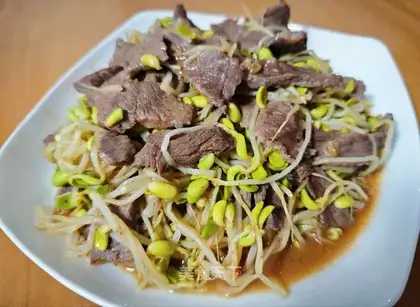
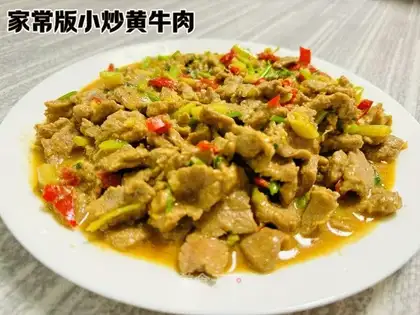
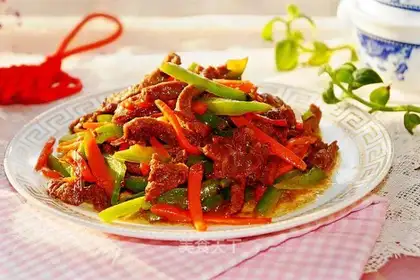
Yellow cattle beef, derived from cattle breeds native to Asia (such as Japanese Wagyu or Chinese Yellow cattle), is globally renowned for its rich flavor, tender texture, and exceptional nutritional profile. As a staple in diets worldwide, it is not only a source of high-quality protein but also a treasure trove of essential vitamins, minerals, and bioactive compounds. However, like all foods, it must be consumed mindfully to maximize benefits and avoid potential risks. This article explores the nutritional value, health benefits, and precautions associated with yellow cattle beef, providing a comprehensive guide for consumers.
I. Nutritional Value of Yellow Cattle Beef
Yellow cattle beef is a nutritional powerhouse, offering a dense concentration of macronutrients and micronutrients vital for human health. Its composition varies slightly based on factors such as the animal’s age, diet, and cut, but its core nutritional profile remains consistently impressive.
1. High-Quality Protein
Protein is the most abundant nutrient in beef, accounting for approximately 20–26 grams per 100 grams of cooked lean meat. Yellow cattle beef is a "complete protein," meaning it contains all nine essential amino acids (histidine, isoleucine, leucine, lysine, methionine, phenylalanine, threonine, tryptophan, and valine) that the human body cannot synthesize independently. These amino acids are critical for muscle repair, tissue growth, and enzyme production. For instance, leucine stimulates muscle protein synthesis, making beef particularly beneficial for athletes, older adults, and individuals recovering from illness.
2. Rich in Vitamins
Beef is a standout source of several B vitamins, which play key roles in energy metabolism and neurological function:
- Vitamin B12 (Cobalamin): Essential for red blood cell formation, DNA synthesis, and nerve health. A 100-gram serving of beef provides over 100% of the daily recommended intake (DRI) of B12, making it crucial for preventing deficiency-related anemia or neuropathy.
- Vitamin B6 (Pyridoxine): Aids in protein metabolism and cognitive function. Beef contains approximately 0.5 milligrams per 100 grams, contributing to 25–30% of the DRI.
- Niacin (Vitamin B3): Supports energy production and skin health. Beef provides around 5–6 milligrams per 100 grams, helping to maintain digestive and nervous system health.
- Riboflavin (B2) and Thiamine (B1): These vitamins are involved in energy conversion and antioxidant defense, with beef offering moderate amounts of both.
3. Abundant Minerals
Yellow cattle beef is a top dietary source of highly bioavailable minerals, which are more easily absorbed by the body than plant-based minerals:
- Iron: Beef contains "heme iron," the form of iron most efficiently absorbed by the body (15–35% absorption rate, compared to 2–20% for non-heme iron in plants). A 100-gram serving of lean beef provides 2.5–3 milligrams of iron, meeting 15–20% of the DRI for adults. Iron is vital for oxygen transport via hemoglobin and energy production.
- Zinc: Essential for immune function, wound healing, and DNA synthesis. Beef provides 4–7 milligrams of zinc per 100 grams, fulfilling 30–50% of the DRI. Zinc deficiency can weaken immunity and slow growth in children.
- Selenium: A powerful antioxidant that protects cells from damage and supports thyroid function. Beef is one of the best dietary sources of selenium, with 15–30 micrograms per 100 grams (27–54% of the DRI).
- Phosphorus: Works with calcium to build strong bones and teeth. Beef provides around 200 milligrams per 100 grams, contributing to 20–25% of the DRI.
- Potassium and Magnesium: These minerals regulate blood pressure, muscle function, and fluid balance. Beef contains moderate amounts, with 300–350 milligrams of potassium and 20–25 milligrams of magnesium per 100 grams.
4. Bioactive Compounds
Beyond basic nutrients, beef contains bioactive compounds that offer additional health benefits:
- Creatine: Found in small amounts, creatine enhances muscle strength and exercise performance, particularly in high-intensity activities.
- Coenzyme Q10 (CoQ10): An antioxidant that supports heart health and cellular energy production.
- Conjugated Linoleic Acid (CLA): A fatty acid with potential anti-inflammatory and weight-management properties, though levels vary by cattle breed and diet.
II. Health Benefits of Yellow Cattle Beef
The unique nutritional profile of yellow cattle beef translates to a range of health benefits, from muscle maintenance to chronic disease prevention.
1. Supports Muscle Mass and Physical Strength
The high-quality protein and leucine in beef make it ideal for preserving and building muscle mass. This is particularly important for:
- Athletes: Protein intake supports muscle recovery and growth, enhancing performance and reducing injury risk.
- Older Adults: Sarcopenia (age-related muscle loss) affects 30% of people over 60. Regular beef consumption can help slow this decline, maintaining mobility and independence.
- Recovering Patients: Individuals undergoing surgery or illness require adequate protein to repair tissues and regain strength.
2. Prevents Nutrient Deficiencies
Beef’s dense nutrient profile helps prevent common deficiencies:
- Iron Deficiency Anemia: Heme iron in beef is highly effective at replenishing iron stores, reducing symptoms like fatigue, weakness, and shortness of breath. This is especially critical for pregnant women, women of childbearing age, and vegetarians.
- Vitamin B12 Deficiency: Since B12 is almost exclusively found in animal products, beef is a key dietary source for vegans and vegetarians who avoid meat. Deficiency can lead to megaloblastic anemia, nerve damage, and cognitive decline.
- Zinc Deficiency: Beef’s high zinc content supports immune function, making it beneficial for individuals prone to infections or slow wound healing.
3. Promotes Heart Health (When Consumed Moderately)
Contrary to outdated beliefs, lean beef can be part of a heart-healthy diet when consumed in moderation and as part of a balanced eating pattern:
- Unsaturated Fats: Lean cuts of yellow cattle beef (such as sirloin or tenderloin) contain monounsaturated and polyunsaturated fats, which help lower LDL ("bad") cholesterol.
- Trimethylamine N-Oxide (TMAO): While high red meat intake has been linked to elevated TMAO (a compound associated with heart disease), this risk is mitigated by choosing lean cuts, limiting processed meats, and pairing beef with fiber-rich vegetables.
- B Vitamins: B6, B12, and niacin help regulate homocysteine levels, an amino acid linked to heart disease when elevated.
4. Enhances Brain Function and Mood
Beef’s nutrients support neurological health:
- Vitamin B12: Deficiency is linked to memory loss, depression, and cognitive decline. Adequate B12 intake from beef helps maintain myelin sheaths, which protect nerve fibers.
- Iron: Oxygen delivery to the brain is critical for focus and concentration. Iron deficiency can impair cognitive performance, especially in children and adolescents.
- Zinc: Regulates neurotransmitter activity, including serotonin and dopamine, which influence mood and behavior.
5. Supports Metabolic Health
The protein and nutrients in beef help regulate metabolism:
- Satiety: Protein increases feelings of fullness, reducing overall calorie intake and aiding weight management. Studies show that high-protein diets can boost metabolism by 15–30% after meals.
- Blood Sugar Control: Protein slows the absorption of glucose, preventing blood sugar spikes. This is beneficial for individuals with or at risk of type 2 diabetes.
III. Precautions and Potential Risks
While yellow cattle beef offers numerous benefits, excessive or improper consumption can pose health risks. Understanding these precautions is key to enjoying beef safely.
1. Limit Intake of Processed and Fatty Cuts
- Processed Meats: Bacon, sausages, and deli meats made from beef are high in sodium, nitrates, and saturated fats. Regular consumption is linked to increased risks of colorectal cancer, heart disease, and hypertension. The World Health Organization (WHO) classifies processed meats as "Group 1 carcinogens," advising limited intake.
- Fatty Cuts: Ribs, brisket, and ground beef with high fat content are rich in saturated fat, which can raise LDL cholesterol and promote inflammation. Opt for lean cuts (e.g., sirloin, flank steak) and trim visible fat to reduce saturated fat intake.
2. Avoid Overcooking to Reduce Harmful Compounds
High-temperature cooking methods (grilling, frying, broiling) can produce harmful compounds:
- Heterocyclic Amines (HCAs): Formed when meat is cooked at high temperatures, HCAs are linked to DNA damage and cancer.
- Advanced Glycation End Products (AGEs): Generated by prolonged high-heat cooking, AGEs promote oxidative stress and inflammation, worsening chronic diseases.
Prevention: Cook beef at lower temperatures (e.g., stewing, steaming), marinate meat (antioxidants in marinades reduce HCA formation), and avoid charring.
3. Be Mindful of Purine Content
Beef is moderately high in purines, compounds that break down into uric acid. Excessive uric acid can cause gout, a painful form of arthritis. Individuals with gout or kidney stones should limit beef intake and prioritize low-purine foods (e.g., fruits, vegetables, whole grains).
4. Choose Grass-Fed When Possible
While yellow cattle beef is typically grain-fed, grass-fed beef offers additional benefits:
- Higher Omega-3 Fatty Acids: Grass-fed beef contains 2–3 times more omega-3s than grain-fed beef, which support heart and brain health.
- More Antioxidants: Grass-fed beef is richer in vitamin E and beta-carotene, which combat oxidative stress.
- Lower Saturated Fat: Grass-fed beef tends to have less saturated fat, making it a healthier choice for heart health.
5. Consider Individual Health Conditions
- Heart Disease: Individuals with high cholesterol or hypertension should limit saturated fat and sodium intake. Opt for lean cuts and avoid processed meats.
- Kidney Disease: Beef is high in protein and phosphorus, which can strain damaged kidneys. Consult a doctor or dietitian for personalized advice.
- Pregnancy and Children: Beef is an excellent source of iron and B12 for growth, but ensure it is cooked thoroughly to avoid bacterial contamination (e.g., E. coli, Salmonella).
IV. Conclusion
Yellow cattle beef is a nutrient-dense food that offers a wide range of health benefits, from muscle maintenance to chronic disease prevention. Its high-quality protein, abundant vitamins and minerals, and bioactive compounds make it a valuable addition to a balanced diet. However, to maximize these benefits, consumers should prioritize lean cuts, limit processed meats, cook at lower temperatures, and consider individual health needs. When consumed mindfully, yellow cattle beef can be a cornerstone of a healthy, active lifestyle, providing both pleasure and nourishment. As with all foods, moderation and quality are key to unlocking its full potential while minimizing risks.