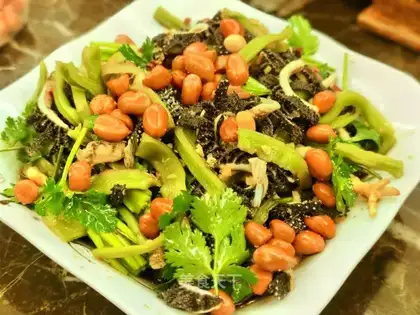
Tripe, the edible lining of a cow’s stomach, has been a cherished ingredient in cuisines worldwide for centuries. From the spicy sopa de mondongo in Latin America to the iconic maodu hotpot in China, this versatile offal offers a unique texture and rich flavor profile. Yet, beyond its culinary appeal, tripe is a nutritional powerhouse, packed with essential nutrients that support overall health. However, like any food, it must be consumed mindfully to avoid potential risks. This article explores the nutritional value of tripe, its health benefits, and important considerations for safe consumption.
Nutritional Value of Tripe
Tripe is a nutrient-dense food, offering a high concentration of protein, vitamins, and minerals with relatively low fat content. A 100-gram serving of raw beef tripe contains approximately:
- Protein: 14–17 grams, providing all essential amino acids necessary for muscle repair, immune function, and enzyme production. This makes it an excellent protein source for individuals seeking alternatives to meat or plant-based diets.
- Vitamins: Tripe is rich in B vitamins, particularly B12 (essential for nerve function and red blood cell formation) and niacin (supports metabolism and skin health). It also contains smaller amounts of B6, riboflavin, and folate.
- Minerals: This offal is a standout source of selenium (a powerful antioxidant that protects cells from damage), zinc (crucial for immune health and wound healing), and iron (vital for oxygen transport in the blood). Additionally, it provides phosphorus, magnesium, and calcium, though in smaller quantities than dairy products.
- Low Fat: Tripe is naturally low in fat, with only 3–5 grams per 100 grams, most of which is unsaturated fat. This makes it a heart-healthy option compared to fattier cuts of meat.
Notably, the nutritional profile of tripe can vary slightly depending on the animal’s diet and the specific stomach chamber (e.g., honeycomb tripe vs. blanket tripe). For example, honeycomb tripe, with its porous texture, tends to absorb flavors more readily but offers similar macronutrient content.
Health Benefits of Tripe
The combination of nutrients in tripe translates to several health benefits, making it more than just a flavorful ingredient.
1. Supports Muscle Growth and Repair
With its high-quality protein content, tripe is ideal for athletes, fitness enthusiasts, and individuals recovering from illness. Protein provides the building blocks for muscles, and the amino acids in tripe—such as leucine, which stimulates muscle protein synthesis—aid in post-exercise recovery and maintaining muscle mass, especially in older adults.
2. Boosts Immune Function
Tripe’s zinc and selenium content plays a key role in immune health. Zinc is involved in the development and function of immune cells, while selenium enhances the body’s antioxidant defenses, reducing inflammation and protecting against infections. Regular consumption of tripe may help strengthen the immune system, particularly during cold and flu season.
3. Enhances Energy Metabolism
The B vitamins in tripe are critical for converting food into energy. Vitamin B12, in particular, is essential for metabolizing fats and carbohydrates, and a deficiency can lead to fatigue, weakness, and anemia. Tripe is one of the best natural sources of B12, making it a valuable addition to diets for individuals at risk of deficiency, such as vegetarians, vegans, or older adults.
4. Promotes Skin and Hair Health
Niacin (vitamin B3) in tripe supports skin barrier function, helping retain moisture and reduce inflammation. It also aids in the production of keratin, a protein that strengthens hair and nails. Additionally, the zinc in tripe regulates oil production in the skin, potentially reducing acne and promoting a clear complexion.
5. Supports Digestive Health
Tripe is a natural source of collagen, a protein that supports the lining of the digestive tract. Collagen helps maintain gut integrity, reducing symptoms of conditions like leaky gut syndrome. Some traditional medicine practices also use tripe to aid digestion, as its gelatinous texture may soothe the stomach lining.
Potential Risks and Consumption Precautions
While tripe offers numerous health benefits, improper preparation or excessive consumption can lead to adverse effects. Understanding these risks is crucial for safe enjoyment.
1. Cleaning and Preparation
Tripe is the stomach lining, so it naturally contains residual contents, bacteria, and impurities. Thorough cleaning is essential:
- Rinsing: Rinse tripe under cold water to remove debris.
- Boiling: Boil tripe for 10–15 minutes with salt, vinegar, or citrus to eliminate odors and kill bacteria.
- Soaking: Soak tripe in cold water for several hours or overnight to further tenderize and clean it.
Improperly cleaned tripe may harbor harmful bacteria like E. coli or Salmonella, leading to foodborne illness.
2. Purine Content and Gout
Tripe is moderately high in purines, natural compounds that break down into uric acid. In individuals with gout or high uric acid levels, excessive purine intake can trigger painful flare-ups. Those with gout should consume tripe in moderation or avoid it altogether.
3. Sodium and Additives
Canned or processed tripe often contains high levels of sodium as a preservative. Excess sodium can contribute to high blood pressure and cardiovascular issues. Opt for fresh tripe and limit processed varieties, especially for individuals with hypertension.
4. Cholesterol Concerns
Tripe contains dietary cholesterol (approximately 50–60 mg per 100 grams), though recent research suggests that dietary cholesterol has less impact on blood cholesterol levels than saturated fat. For most people, moderate consumption is safe, but individuals with hypercholesterolemia should consult a healthcare provider.
5. Allergies and Intolerances
While rare, some people may be allergic to tripe. Symptoms include hives, swelling, or digestive distress. Those with known sensitivities to offal should avoid it.
Culinary Uses and Serving Suggestions
Tripe’s versatility makes it a star in global cuisines. Here are popular ways to prepare it:
- Chinese Hotpot: Maodu (honeycomb tripe) is a staple in Sichuan hotpot, prized for its crunchy texture and ability to absorb spicy broths.
- Mexican Sopa de Mondongo: A hearty soup with tripe, vegetables, and spices, often served with lime and cilantro.
- Italian Busecca: A traditional Milanese stew with tripe, beans, and tomatoes, seasoned with garlic and parsley.
- Nigerian Isi Ewu: A spicy dish made with cow head meat (including tripe), seasoned with peppers and onions, often served at celebrations.
For optimal health benefits, pair tripe with nutrient-rich sides like leafy greens (to boost iron absorption) and whole grains (to add fiber). Avoid deep-frying tripe, as this increases its fat content; instead, opt for grilling, stewing, or boiling.
Conclusion
Tripe is a nutrient-rich ingredient that offers a unique blend of protein, vitamins, and minerals, supporting muscle growth, immune function, and energy metabolism. When cleaned and prepared properly, it can be a valuable addition to a balanced diet. However, moderation is key, especially for individuals with gout, high blood pressure, or sensitivities to purines or sodium. By understanding its benefits and risks, food enthusiasts can enjoy tripe as both a culinary delight and a health-boosting superfood. Whether simmered in a spicy stew or added to a hearty soup, tripe proves that offal, when handled with care, is a true gem in the world of ingredients.