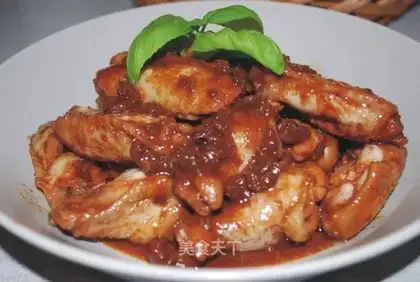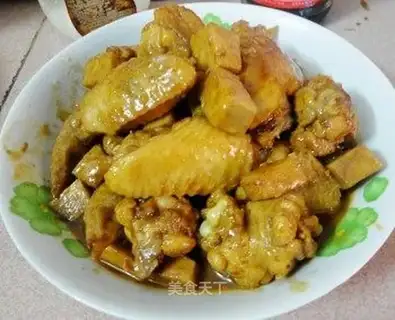
Rich in nutrients and contains a large amount of starch, minerals and vitamins. It is both a vegetable and a grain. It can be cooked, dried or powdered. Since the starch particles of taro are small, only one-tenth of that of potato starch, its digestibility can reach 98.8%. In terms of taro processing, taro powder and taro paste fillings can be made into for extended storage. Taro can also be used as an ornamental plant similar to vines and evergreen. There are about 100 different types of taro; some are oval shaped like sweet potatoes, while others are mostly round. Taros have fewer strange shapes than other tubers. Taro can grow to 6 feet tall and have broad leaves; however, buds are edible after being scalded in boiling water. However, leaves and buds are of lesser use in Western markets. The tubers are dark brown, the outer skin is circular and quite rough, and there is hair on it. The flesh is white, off-white and purple-gray, and some have pink or brown textures. <br /><br />I grew this taro myself... Hehe...
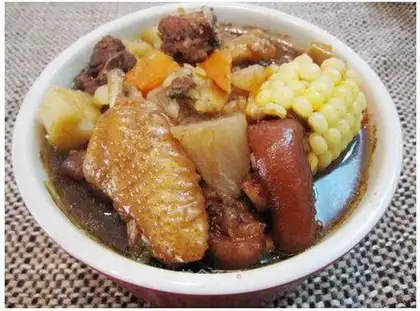
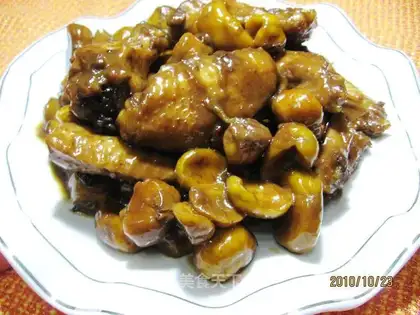
Chestnut can nourish qi and blood, nourish the stomach, nourish the kidney, and strengthen the liver and spleen; the high starch content can provide high calories and is rich in vitamins, carotene, amino acids, iron, calcium and other trace elements. Long-term consumption can achieve nourishing the stomach, strengthening the spleen, kidney, beautifying and other health effects. <br /><br />Chestnut should not be eaten too much. Eating too much raw is not easy to digest. Eating too much cooked can easily stagnate qi. People with diabetes should eat less or not because the sugar content of chestnut is very high. <br /><br />Stewing chicken wings with millet not only has a strong chicken aroma, but also has a sweet and soft corn aroma, which will keep you from stopping