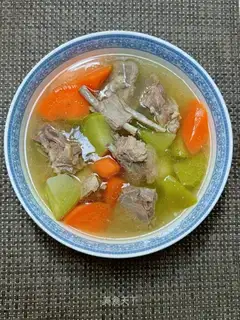
Lamb, a prized meat in cuisines worldwide from Mediterranean stews to British roasts, has been savored for centuries for its rich flavor, tender texture, and cultural significance. Among its various cuts, lamb chops—whether rib, loin, or sir—are celebrated not only for their culinary versatility but also for their impressive nutritional profile. As consumers increasingly prioritize both taste and health, understanding the nutritional value, health benefits, and potential risks of lamb chops becomes essential. This article explores these aspects in depth, providing a comprehensive guide to incorporating this nutrient-dense meat into a balanced diet.
I. Nutritional Value of Lamb Chops
Lamb chops are a nutritional powerhouse, packed with high-quality protein, essential vitamins, and minerals that support overall health. A 100-gram serving of cooked lamb chops (trimmed of visible fat) typically contains around 250–300 calories, 25–30 grams of protein, and 15–20 grams of fat, depending on the cut and cooking method. What sets lamb apart from other meats is its unique composition of micronutrients, which play critical roles in bodily functions.
1. High-Quality Protein
Protein is the building block of muscles, tissues, and enzymes, and lamb chops provide all nine essential amino acids the body cannot produce on its own. This complete protein profile makes lamb an excellent choice for athletes, growing children, and older adults looking to maintain muscle mass. The protein in lamb is also highly bioavailable, meaning the body absorbs and utilizes it efficiently.
2. Abundant Vitamins
Lamb is particularly rich in B vitamins, which are vital for energy metabolism, brain function, and red blood cell production. Key B vitamins in lamb include:
- Vitamin B12 (Cobalamin): Critical for nerve function and DNA synthesis. A 100-gram serving of lamb chops can provide over 100% of the daily recommended intake (DRI) of B12, making it one of the best dietary sources for this nutrient, especially important for vegetarians and vegans at risk of deficiency.
- Niacin (B3): Supports digestive system, skin health, and energy production. Lamb contains approximately 40–50% of the DRI per serving.
- Riboflavin (B2): Helps break down fats, proteins, and carbohydrates, and maintains healthy skin and eyes.
- Vitamin B6: Essential for brain development and immune function.
Additionally, lamb is one of the few natural sources of vitamin D, a nutrient crucial for bone health and immune regulation. Grazing on pasture can further enhance the vitamin D content in lamb, as sunlight exposure increases its concentration in the animal’s tissues.
3. Essential Minerals
Lamb chops are a treasure trove of minerals, many of which are lacking in modern diets:
- Iron: Lamb is a source of heme iron, the type of iron found in animal products that is more easily absorbed by the body than non-heme iron (from plants). A 100-gram serving provides 2–3 milligrams of iron, meeting 15–20% of the DRI for adults. Iron is vital for oxygen transport in the blood and preventing anemia.
- Zinc: Essential for immune function, wound healing, and DNA synthesis. Lamb provides 4–6 milligrams per serving, covering 30–40% of the DRI. Zinc deficiency is linked to weakened immunity and slow growth in children.
- Selenium: A powerful antioxidant that protects cells from damage and supports thyroid function. Lamb is a rich source, with a single serving providing 30–50% of the DRI. Selenium levels in lamb vary depending on the soil where the animals graze, with pasture-raised lamb often containing higher amounts.
- Phosphorus and Magnesium: These minerals support bone health, nerve function, and energy production. Lamb provides approximately 20% of the DRI for phosphorus and 10% for magnesium per serving.
4. Healthy Fats
While lamb is often perceived as “fatty,” its fat composition includes beneficial fatty acids. Grass-fed lamb, in particular, is higher in conjugated linoleic acid (CLA), a type of fat linked to reduced body fat, improved heart health, and anti-inflammatory properties. Lamb also contains oleic acid (the same healthy fat found in olive oil), which supports cardiovascular health. However, moderation is key, as fatty cuts can be high in saturated fat; trimming visible fat and choosing leaner cuts like loin chops can reduce fat content by up to 50%.
II. Health Benefits of Lamb Chops
The nutrient density of lamb chops translates to a range of health benefits, from muscle maintenance to immune support. When consumed as part of a balanced diet, lamb can contribute to overall well-being.
1. Supports Muscle Mass and Physical Performance
The high-quality protein in lamb chops is ideal for repairing and building muscle tissue, making it a valuable food for athletes, bodybuilders, and individuals recovering from illness or injury. Protein also promotes satiety, helping to regulate appetite and support weight management by reducing overeating.
2. Boosts Energy and Metabolism
B vitamins in lamb play a central role in converting food into energy. For example, vitamin B12 helps produce red blood cells, which carry oxygen to muscles and organs, while niacin and riboflavin aid in metabolizing carbohydrates, fats, and proteins. This makes lamb an excellent choice for combating fatigue and maintaining energy levels throughout the day.
3. Enhances Immune Function
Lamb’s rich mineral content, particularly zinc and selenium, is critical for a healthy immune system. Zinc supports the development of immune cells, while selenium acts as an antioxidant to reduce oxidative stress and inflammation. Regular consumption of lamb may help the body fight off infections and illnesses more effectively.
4. Promotes Brain Health
Vitamin B12 is essential for maintaining the myelin sheath that protects nerve fibers and supports cognitive function. Deficiency in B12 can lead to memory loss, confusion, and nerve damage. Lamb’s high B12 content makes it a brain-boosting food, particularly important for older adults at risk of cognitive decline.
5. Supports Bone Health
Lamb provides a combination of phosphorus, magnesium, and protein—all of which are vital for bone density and strength. Phosphorus works with calcium to form hydroxyapatite, the mineral complex that gives bones their rigidity, while magnesium aids in calcium absorption and bone metabolism. Regular consumption of lamb, as part of a calcium-rich diet, may help prevent osteoporosis and age-related bone loss.
6. Anti-Inflammatory Properties
Grass-fed lamb contains higher levels of omega-3 fatty acids and CLA, both of which have anti-inflammatory effects. Chronic inflammation is linked to conditions like heart disease, arthritis, and diabetes. Including lamb in moderation may help reduce inflammation and lower the risk of these diseases.
III. Precautions and Considerations
While lamb chops offer numerous health benefits, there are important precautions to keep in mind to ensure safe and healthy consumption.
1. Moderation is Key
Lamb is relatively high in saturated fat, especially in fattier cuts like rib chops. Excessive intake of saturated fat can raise LDL (“bad”) cholesterol levels and increase the risk of heart disease. To minimize saturated fat, opt for lean cuts (loin or sirloin chops), trim visible fat, and limit consumption to 2–3 times per week. A balanced diet should emphasize lean proteins, whole grains, and vegetables to offset the fat content in lamb.
2. Cooking Methods Matter
The way lamb is cooked significantly impacts its healthfulness. Grilling, broiling, or pan-searing at high temperatures can produce heterocyclic amines (HCAs) and polycyclic aromatic hydrocarbons (PAHs), compounds linked to cancer risk. To reduce these compounds:
- Marinate lamb in acidic mixtures (e.g., lemon juice, vinegar) before cooking, as marinades can inhibit HCA formation.
- Avoid charring the meat; trim off any blackened or charred portions.
- Use lower-temperature cooking methods like baking, slow cooking, or stewing, which are less likely to form harmful compounds.
3. Food Safety and Quality
Lamb, like all meats, carries a risk of bacterial contamination (e.g., E. coli, Salmonella) if not handled or cooked properly. To ensure safety:
- Buy lamb from reputable sources and check for expiration dates.
- Store lamb at or below 40°F (4°C) and use within 2–3 days of purchase or freeze for longer storage.
- Cook lamb to a safe internal temperature: 145°F (63°C) for medium-rare, 160°F (71°C) for medium, and 170°F (77°C) for well-done, as measured by a meat thermometer.
4. Individual Health Conditions
People with certain health conditions should exercise caution when consuming lamb:
- Heart Disease or High Cholesterol: Lean cuts and portion control are essential. Consult a doctor or dietitian to determine appropriate serving sizes.
- Gout: Lamb is moderately high in purines, which can trigger gout attacks in susceptible individuals. Limit intake during flare-ups and opt for lower-purine proteins like fish or poultry during remission.
- Kidney Disease: Lamb’s high protein and mineral content may be problematic for individuals with kidney dysfunction. A healthcare provider can advise on safe consumption levels.
5. Sustainability and Ethical Sourcing
While not a direct health concern, the environmental and ethical impact of lamb production is increasingly important to consumers. Lamb has a higher carbon footprint than poultry or plant-based proteins due to methane emissions from sheep and land use. Choosing grass-fed, locally sourced lamb can reduce environmental impact and support more humane farming practices.
IV. Incorporating Lamb Chops into a Balanced Diet
To reap the benefits of lamb chops while minimizing risks, follow these tips for healthy preparation and consumption:
- Choose Lean Cuts: Opt for loin, sirloin, or leg chops, which are lower in fat than rib chops.
- Marinate for Flavor and Health: Use herbs, garlic, lemon juice, or olive oil to enhance flavor without adding excess salt or fat.
- Pair with Nutrient-Rich Foods: Serve lamb with roasted vegetables (e.g., broccoli, spinach), whole grains (e.g., quinoa, brown rice), or salads to create a balanced meal.
- Control Portions: A serving of lamb chops should be about 3–4 ounces (85–115 grams) cooked weight, roughly the size of a deck of cards.
Conclusion
Lamb chops are a nutrient-dense meat that offers a unique combination of high-quality protein, essential vitamins, and minerals, supporting muscle health, energy metabolism, immune function, and more. When consumed in moderation, prepared using healthy cooking methods, and sourced responsibly, lamb can be a valuable part of a balanced diet. By understanding its nutritional benefits and taking necessary precautions, individuals can enjoy the rich flavor and health advantages of lamb chops while minimizing potential risks. Whether grilled, roasted, or stewed, lamb chops remain a timeless and nourishing choice for those seeking both taste and wellness in their meals.