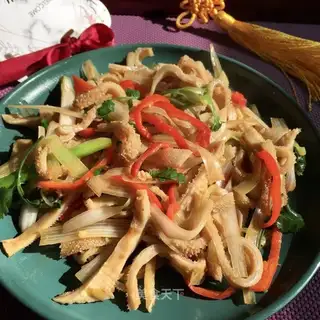
Lamb, a staple in cuisines across the Middle East, Europe, and Asia, is celebrated for its tender meat and rich flavor. While cuts like lamb chops and racks often take center stage, lamb pluck—collectively referring to the heart, liver, lungs, and spleen—has been a traditional nutrient-dense food for centuries. Often called "offal" or "variety meat," lamb pluck is packed with essential vitamins, minerals, and bioactive compounds that offer unique health benefits. However, its consumption also requires careful attention to safety and dietary compatibility. This article explores the nutritional profile of lamb pluck, its evidence-based health benefits, and important precautions to consider when incorporating it into a balanced diet.
I. Nutritional Value of Lamb Pluck
Lamb pluck is a nutritional powerhouse, offering a concentrated source of high-quality protein, vitamins, and minerals that are often scarce in muscle meats. Its exact composition varies slightly by organ, but collectively, it provides a diverse array of nutrients essential for human health.
1. High-Quality Protein
Like all animal-based products, lamb pluck is an excellent source of complete protein, containing all nine essential amino acids (histidine, isoleucine, leucine, lysine, methionine, phenylalanine, threonine, tryptophan, and valine) that the body cannot synthesize independently. Protein is critical for muscle repair, immune function, and enzyme production. For example, lamb heart, a lean muscle itself, provides about 25g of protein per 100g, with a low fat content (around 6g), making it a superior alternative to fattier cuts.
2. Vitamins
Lamb pluck is particularly rich in B vitamins, which play pivotal roles in energy metabolism, neurological health, and red blood cell formation.
- Vitamin B12 (Cobalamin): Lamb liver is one of the best natural sources of B12, with a single 100g serving providing over 1,500% of the daily recommended intake (DRI). B12 is essential for nerve function and DNA synthesis, and its deficiency can lead to anemia and cognitive decline.
- Vitamin B6 (Pyridoxine): Abundant in lamb liver and heart, B6 aids in protein metabolism and neurotransmitter production. A 100g serving of lamb liver contains approximately 1.5mg of B6, meeting over 100% of the DRI.
- Riboflavin (B2) and Niacin (B3): These vitamins support energy production and skin health. Lamb pluck provides significantly higher amounts than muscle meats, with lamb liver containing 2–3 times the riboflavin and niacin found in lamb chops.
- Vitamin A (Retinol): Lamb liver is exceptionally high in preformed vitamin A, with 100g providing over 600% of the DRI. Vitamin A is vital for vision, immune function, and cell growth. However, excessive intake can be toxic, so moderation is key.
3. Minerals
Lamb pluck is a treasure trove of minerals that are often underconsumed in modern diets:
- Iron: Heme iron, found in animal-based foods, is more easily absorbed than non-heme iron from plants. Lamb liver and heart are rich sources, with 100g of liver providing 6.5mg of iron—over 35% of the DRI for men and 20% for women. Iron is essential for oxygen transport and preventing iron-deficiency anemia.
- Zinc: Critical for immune function, wound healing, and DNA synthesis, lamb liver and heart provide around 5–7mg of zinc per 100g, meeting 40–60% of the DRI.
- Copper and Selenium: Lamb pluck contains significant amounts of copper, which aids in iron absorption and antioxidant defense, and selenium, a powerful antioxidant that supports thyroid health. Lamb liver, for instance, provides 0.6mg of copper (67% of DRI) and 39.3µg of selenium (71% of DRI) per 100g.
- Coenzyme Q10 (CoQ10): Found in high concentrations in lamb heart, CoQ10 is a compound that supports energy production in cells and acts as an antioxidant. It is particularly beneficial for cardiovascular health.
4. Healthy Fats
While lamb pluck is leaner than fatty cuts like lamb shoulder, it contains beneficial fats, including monounsaturated and polyunsaturated fatty acids. Lamb heart, for example, has a balanced fatty acid profile, with oleic acid (a monounsaturated fat) comprising about 40% of its total fat content. These fats support heart health and reduce inflammation.
II. Health Benefits of Lamb Pluck
The nutrient density of lamb pluck translates to several evidence-based health benefits, particularly when consumed as part of a balanced diet.
1. Supports Muscle Growth and Repair
The high-quality protein in lamb pluck makes it an ideal food for athletes, older adults, and individuals recovering from illness. Protein provides the amino acids needed for muscle protein synthesis, helping to prevent age-related muscle loss (sarcopenia) and promote post-exercise recovery. Lamb heart, with its low fat and high protein content, is particularly beneficial for those seeking to build lean muscle.
2. Enhances Energy Metabolism
B vitamins in lamb pluck are cofactors in energy-producing metabolic pathways. For example, vitamin B12 helps convert food into glucose, the body’s primary energy source, while B6 aids in glycogen breakdown. Individuals with B12 deficiency often experience fatigue and weakness, making lamb liver a valuable dietary addition for those at risk, such as vegetarians, vegans, or older adults.
3. Boosts Immune Function
Lamb pluck’s rich mineral content, particularly zinc and selenium, is critical for a healthy immune system. Zinc supports the development and function of immune cells, while selenium enhances the activity of antioxidants that protect cells from damage. Studies show that zinc deficiency impairs immune response, increasing susceptibility to infections. A 100g serving of lamb liver can meet over half the daily zinc requirement, making it a potent immune-boosting food.
4. Promotes Brain and Nervous System Health
Vitamin B12 is essential for maintaining the myelin sheath that protects nerve fibers, and its deficiency is linked to cognitive decline, memory loss, and neuropathy. Regular consumption of lamb pluck, particularly liver, can help prevent B12 deficiency, supporting brain health. Additionally, choline, found in lamb liver, is vital for neurotransmitter synthesis and memory function.
5. Supports Red Blood Cell Production
Iron and B12 in lamb pluck work synergistically to prevent anemia. Iron is a key component of hemoglobin, the protein in red blood cells that carries oxygen, while B12 is necessary for the maturation of red blood cells. Individuals with iron-deficiency anemia or pernicious anemia (caused by B12 deficiency) may benefit from including lamb pluck in their diet, though medical supervision is advised.
6. Provides Antioxidant Protection
Lamb pluck contains antioxidants like selenium, CoQ10, and vitamin A, which neutralize free radicals and reduce oxidative stress. Oxidative stress is linked to chronic diseases, including heart disease, cancer, and neurodegenerative disorders. Lamb heart, with its high CoQ10 content, may particularly support cardiovascular health by protecting LDL cholesterol from oxidation and improving energy production in heart muscle cells.
III. Precautions and Potential Risks
While lamb pluck offers numerous health benefits, its consumption requires caution due to its high nutrient content and potential contaminants.
1. Risk of Vitamin A Toxicity
Lamb liver is extremely high in preformed vitamin A (retinol). Excessive intake can lead to hypervitaminosis A, a condition characterized by nausea, headache, dizziness, and, in severe cases, liver damage or birth defects. The World Health Organization (WHO) recommends limiting liver consumption to once a week to avoid toxicity. Pregnant women should avoid liver altogether, as excessive vitamin A can harm fetal development.
2. Cholesterol Content
Lamb pluck, particularly liver and heart, is high in dietary cholesterol. However, research shows that dietary cholesterol has a minimal impact on blood cholesterol levels for most people. The body regulates its own cholesterol production, and for individuals with hypercholesterolemia or heart disease, moderation is advised. A 100g serving of lamb liver contains about 350mg of cholesterol—just over the recommended daily limit of 300mg.
3. Purine Content and Gout
Lamb pluck is high in purines, compounds that break down into uric acid. In individuals with gout or hyperuricemia, high purine intake can trigger painful joint inflammation. The Arthritis Foundation recommends limiting offal consumption to 1–2 servings per month for those with gout.
4. Contaminants and Sourcing
Offal is more susceptible to environmental contaminants than muscle meats, as it acts as a filtration system for the body. To minimize risk, choose lamb pluck from reputable sources, preferably organic or grass-fed, to reduce exposure to antibiotics, hormones, and environmental toxins. Proper cooking is also essential: lamb pluck should be cooked to an internal temperature of 70°C (158°F) to kill harmful bacteria like E. coli and Salmonella.
5. Individual Dietary Needs
Lamb pluck may not be suitable for everyone. Individuals with kidney disease should limit their intake due to its high protein and mineral content, which can strain kidney function. Those with hemochromatosis (a genetic disorder causing iron overload) should avoid liver, as it exacerbates iron accumulation. Vegetarians and vegans may choose to avoid offal due to its animal origin, but those considering adding it to their diet should consult a healthcare provider.
IV. Culinary Uses and Incorporation into a Balanced Diet
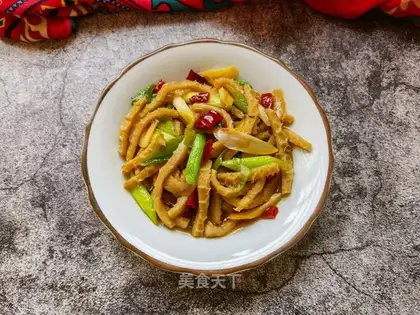
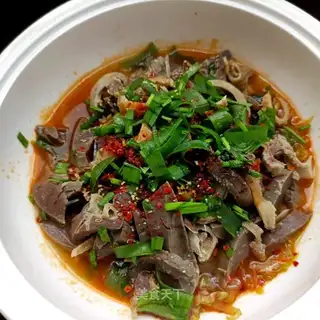
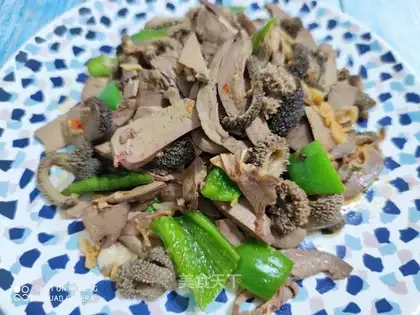
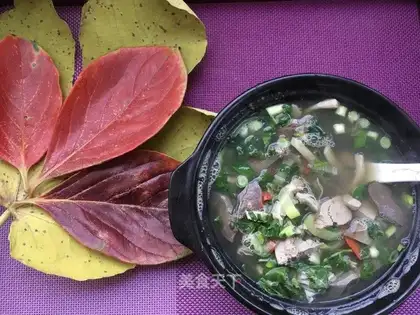
Lamb pluck is a versatile ingredient in global cuisines. Lamb liver is often pan-fried with onions, used in pâtés, or added to curries. Lamb heart can be grilled, stewed, or skewered, while lamb lungs are used in traditional dishes like haggis (Scotland) or biryani (South Asia). To maximize its nutritional benefits while minimizing risks, follow these tips:
- Moderation: Consume lamb pluck once a week, limiting liver to small portions (50–100g per serving).
- Cooking Methods: Opt for grilling, baking, or stewing to retain nutrients without adding excessive fat. Avoid deep-frying.
- Pairing: Combine lamb pluck with vitamin C-rich foods (e.g., bell peppers, broccoli) to enhance non-heme iron absorption.
- Variety: Rotate offal types (e.g., heart, liver, kidneys) to diversify nutrient intake and reduce exposure to any single nutrient in excess.
Conclusion
Lamb pluck is a nutrient-dense food that offers unique health benefits, from supporting muscle growth and immune function to enhancing brain health. Its high content of protein, B vitamins, iron, and selenium makes it a valuable addition to a balanced diet, particularly for individuals with nutrient deficiencies. However, its consumption must be mindful of potential risks, including vitamin A toxicity, purine content, and contaminants. By sourcing high-quality pluck, cooking it properly, and consuming it in moderation, individuals can harness its nutritional power while minimizing adverse effects. As with any food, lamb pluck is best enjoyed as part of a diverse and balanced diet, ensuring optimal health and well-being.