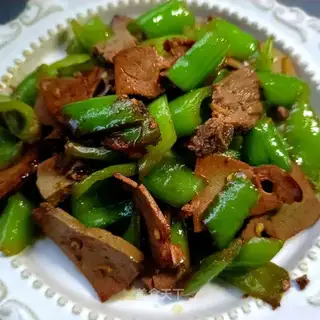
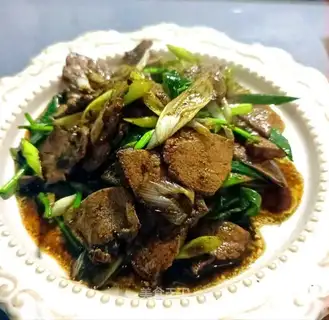
Lamb liver, a often overlooked yet nutrient-dense organ meat, has been a staple in traditional cuisines worldwide for centuries. From European pâtés to Middle Eastern grills, this organ meat offers a unique combination of flavor, texture, and health benefits. However, its consumption is often shrouded in misconceptions, with concerns about cholesterol, safety, and preparation methods taking center stage. This article delves into the nutritional profile, health benefits, and precautions associated with lamb liver, providing a comprehensive guide to incorporating this "superfood" into a balanced diet.
I. Nutritional Profile: A Concentrated Source of Essential Nutrients
Lamb liver stands out as one of the most nutrient-dense foods available, packing a remarkable amount of vitamins, minerals, and protein into a single serving. A 100-gram (3.5-ounce) portion of cooked lamb liver provides approximately:
1. Vitamins: The Micronutrient Powerhouse
- Vitamin A (Retinol): Lamb liver is one of the richest natural sources of pre-formed vitamin A, with a 100-gram serving delivering over 600% of the daily recommended intake. This essential nutrient plays a critical role in vision, immune function, skin health, and cell growth. Unlike plant-based sources (like beta-carotene), vitamin A from liver is directly utilized by the body, making it highly bioavailable.
- B Vitamins: It is a powerhouse of B vitamins, particularly B12 (cobalamin), with a single serving providing over 1000% of the daily value. B12 is vital for nerve function, DNA synthesis, and red blood cell formation. Lamb liver is also rich in riboflavin (B2), niacin (B3), B6, and folate (B9), which collectively support energy metabolism, brain health, and cardiovascular function.
- Vitamin D: Though less abundant than vitamin A, lamb liver contains small amounts of vitamin D, which is crucial for calcium absorption, bone health, and immune regulation.
2. Minerals: Essential for Bodily Functions
- Iron: Lamb liver is an excellent source of heme iron, the type of iron found in animal products that is easily absorbed by the body. A 100-gram serving provides around 6.5 mg of iron, or about 36% of the daily requirement. Iron is essential for oxygen transport in the blood and preventing anemia.
- Zinc: With approximately 4 mg per serving, lamb liver supports immune function, wound healing, and DNA synthesis. Zinc is particularly important for men’s reproductive health and children’s growth and development.
- Copper and Selenium: These trace minerals act as antioxidants, protecting cells from damage. Copper aids in iron metabolism and connective tissue formation, while selenium supports thyroid function and immune health.
3. Protein and Fat
Lamb liver is a high-quality protein source, containing about 20 grams of protein per 100 grams, providing all essential amino acids. While it is higher in fat than muscle meats (around 5 grams per serving), the majority is unsaturated fat, including heart-healthy monounsaturated fats. It also contains conjugated linoleic acid (CLA), a fatty acid linked to potential anti-inflammatory and metabolic benefits.
4. Other Bioactive Compounds
Liver contains coenzyme Q10 (CoQ10), an antioxidant that supports energy production in cells, and choline, a nutrient critical for brain development, liver health, and fetal growth. It also provides small amounts of creatine, which plays a role in energy metabolism and muscle function.
II. Health Benefits: Beyond Basic Nutrition
The dense nutrient profile of lamb liver translates into a range of health benefits, making it a valuable addition to a balanced diet when consumed in moderation.
1. Supports Vision and Eye Health
The high concentration of vitamin A in lamb liver is essential for maintaining healthy vision. Vitamin A combines with protein to form rhodopsin, a pigment in the eyes that enables vision in low light. A deficiency in vitamin A can lead to night blindness and, in severe cases, permanent vision loss. Additionally, the presence of zinc and antioxidants in liver further protects the eyes from age-related macular degeneration (AMD) and cataracts.
2. Boosts Immune Function
Lamb liver’s rich vitamin A, B6, zinc, and selenium content makes it a potent immune booster. Vitamin A strengthens the skin and mucous membranes, which act as physical barriers against pathogens. Zinc and selenium enhance the activity of immune cells, such as T-cells and natural killer cells, while B vitamins support the production of antibodies. Regular consumption of liver may help reduce the severity and duration of infections, particularly in vulnerable populations like children and the elderly.
3. Prevents Anemia and Enhances Energy Levels
The combination of heme iron, vitamin B12, and folate in lamb liver makes it highly effective in preventing and treating iron-deficiency anemia. Iron is a key component of hemoglobin, the protein in red blood cells that carries oxygen to tissues. Vitamin B12 is necessary for the production of healthy red blood cells, while folate supports DNA synthesis. Individuals with anemia often experience fatigue, weakness, and shortness of breath; incorporating lamb liver into their diet can help restore iron levels and improve energy.
4. Promotes Brain Health and Cognitive Function
Choline, vitamin B12, and omega-3 fatty acids (present in small amounts in lamb liver) are critical for brain health. Choline is a precursor to acetylcholine, a neurotransmitter involved in memory, mood, and muscle control. Vitamin B12 deficiency has been linked to cognitive decline, memory loss, and neurodegenerative diseases like Alzheimer’s. The antioxidants in liver also protect brain cells from oxidative stress, which can contribute to age-related cognitive impairment.
5. Supports Skin, Hair, and Nail Health
Vitamin A is essential for skin cell turnover and repair, helping to prevent acne, dryness, and signs of aging. It also stimulates the production of collagen, a protein that keeps skin firm and elastic. Zinc supports wound healing and reduces inflammation, while B vitamins (particularly B2 and B3) maintain healthy skin and hair. Regular consumption of lamb liver may result in smoother, more radiant skin and stronger nails.
6. Aids in Detoxification
Liver is the body’s primary detoxification organ, but lamb liver itself contains nutrients that support the body’s natural detox processes. It is rich in B vitamins (particularly B12 and folate), which help the liver metabolize toxins and waste products. Additionally, the amino acid glycine, present in liver, aids in phase II detoxification, where toxins are neutralized and excreted from the body.
III. Precautions and Potential Risks: Moderation is Key
While lamb liver offers numerous health benefits, it is not without risks. Overconsumption or improper preparation can lead to adverse effects, making it essential to understand the precautions associated with its consumption.
1. Vitamin A Toxicity
The most significant risk of excessive lamb liver consumption is vitamin A toxicity (hypervitaminosis A). Since vitamin A is a fat-soluble vitamin, it accumulates in the body over time. Symptoms of vitamin A toxicity include nausea, dizziness, headache, blurred vision, and, in severe cases, liver damage. The tolerable upper intake level (UL) for vitamin A is 3,000 micrograms (mcg) for adults, and a single 100-gram serving of lamb liver can provide over 6,000 mcg. To avoid toxicity, limit consumption to 1–2 servings per week, especially for pregnant women, children, and individuals with liver conditions.
2. Cholesterol Concerns
Lamb liver is high in dietary cholesterol, with a 100-gram serving containing around 350 mg—more than the daily recommended limit of 300 mg for most people. However, recent research suggests that dietary cholesterol has a minimal impact on blood cholesterol levels for most individuals. The body regulates its own cholesterol production, and for many people, foods high in cholesterol do not significantly raise "bad" LDL cholesterol unless paired with saturated and trans fats. That said, individuals with hypercholesterolemia, diabetes, or cardiovascular disease should consult a healthcare provider before consuming lamb liver regularly.
3. Purine Content and Gout
Lamb liver is high in purines, natural compounds that break down into uric acid in the body. Excessive uric acid can lead to gout, a painful form of arthritis characterized by joint inflammation. Individuals with gout or a history of kidney stones should avoid or strictly limit their intake of lamb liver to prevent flare-ups.
4. Contaminants and Additives
As an organ, liver filters toxins from the blood, so it is crucial to source lamb liver from reputable suppliers. Choose organic or grass-fed lamb whenever possible, as these animals are less likely to have been exposed to antibiotics, hormones, or environmental toxins. Avoid liver from animals that appear unhealthy or have been treated with excessive medications. Additionally, ensure that lamb liver is cooked thoroughly to kill harmful bacteria such as Salmonella and E. coli.
5. Pregnancy and Lactation
While lamb liver is rich in nutrients like iron and folate, which are essential during pregnancy, excessive vitamin A intake can cause birth defects. Pregnant women should limit their consumption to no more than once a week and avoid high-dose vitamin A supplements. Lactating women can consume lamb liver in moderation but should monitor their overall vitamin A intake to prevent excess levels in breast milk.
IV. Culinary Tips: Preparing Lamb Liver Safely and Deliciously
To enjoy lamb liver safely and maximize its nutritional benefits, proper preparation is key. Here are some tips for cooking lamb liver:
1. Choose High-Quality Liver
Select fresh lamb liver from a trusted butcher or supplier. Look for liver that is firm, moist, and uniform in color (deep red or pinkish-brown). Avoid liver that appears dry, discolored, or has a strong, unpleasant odor.
2. Soak to Reduce Bitterness
Lamb liver can have a slightly bitter taste due to its blood content. Soak it in cold water with a splash of vinegar or lemon juice for 30 minutes before cooking to mellow the flavor and remove impurities.
3. Cook Thoroughly
Lamb liver should be cooked to an internal temperature of 70°C (160°F) to kill harmful bacteria. Overcooking, however, can make it tough and dry. Quick cooking methods such as sautéing, grilling, or stir-frying are ideal.
4. Balance with Acidic Ingredients
Lamb liver pairs well with acidic ingredients like lemon juice, vinegar, or tomatoes, which help cut through its richness. Herbs such as rosemary, thyme, and sage also complement its flavor.
5. Portion Control
Given its high vitamin A content, limit lamb liver to 100–150 grams per serving and consume it no more than twice a week. This allows you to reap its benefits without exceeding safe nutrient limits.
V. Conclusion: A Nutrient-Rich Addition to a Balanced Diet
Lamb liver is a nutritional powerhouse that offers an impressive array of vitamins, minerals, and bioactive compounds. From supporting vision and immune function to promoting brain health and energy levels, its benefits are undeniable. However, like all foods, moderation is key. By sourcing high-quality liver, preparing it properly, and consuming it in reasonable amounts, you can enjoy its culinary and health advantages without the risks of vitamin toxicity or other adverse effects.
In a world where processed foods often dominate the diet, lamb liver stands as a testament to the wisdom of traditional, nutrient-dense foods. Whether incorporated into a classic pâté, a hearty stir-fry, or a simple grilled dish, this organ meat has earned its place as a valuable component of a healthy, balanced diet. As with any food, knowledge and moderation are the keys to unlocking its full potential—making lamb liver not just a culinary delight, but a cornerstone of holistic nutrition.