Pigeon eggs, often dubbed "diamonds of the kitchen," have been cherished in culinary and traditional medicine practices for centuries. These small, oval-shaped eggs—slightly larger than quail eggs but smaller than chicken eggs—boast a unique nutritional profile and a delicate flavor that sets them apart from more common poultry eggs. While they may not yet have mainstream popularity in Western diets, pigeon eggs are revered in Asian, Middle Eastern, and European cuisines for their health benefits and versatility. This article explores the nutritional composition of pigeon eggs, their evidence-based health benefits, potential risks, and guidelines for safe consumption, shedding light on why these tiny orbs are considered a superfood by many cultures.
Nutritional Composition: A Compact Nutrient Bomb
Pigeon eggs are nutritional powerhouses packed with essential vitamins, minerals, proteins, and fats, all contained within a delicate, speckled shell. Their nutritional density makes them a valuable addition to balanced diets, particularly for individuals seeking nutrient-rich, natural foods.
Protein Quality
Protein is the building block of life, and pigeon eggs excel in providing high-quality protein. They contain all nine essential amino acids—histidine, isoleucine, leucine, lysine, methionine, phenylalanine, threonine, tryptophan, and val—that the human body cannot synthesize independently. A single pigeon egg (approximately 15–20 grams) provides about 1.5–2 grams of protein, with a biological value (BV) of 94–96, comparable to eggs (90) and milk (85). This high BV means the protein is easily absorbed and utilized by the body, supporting muscle repair, tissue growth, and immune function.
Vitamins
Pigeon eggs are a rich source of both fat-soluble and water-soluble vitamins, many of which are lacking in modern diets:
- Vitamin A: Critical for vision, immune health, and cell growth, pigeon eggs contain significantly more vitamin A than chicken eggs—about 300–400 IU per egg, compared to 70–80 IU in a chicken egg. This is due to the pigeon’s diet, which often includes seeds, grains, and greens rich in carotenoids (precursors to vitamin A).
- B Vitamins: They are particularly high in B12, essential for nerve function and red blood cell formation, with one egg providing roughly 0.6–0.8 micrograms—over 20% of the daily recommended intake (DRI). They also contain riboflavin (B2), niacin (B3), and pantothenic acid (B5), which play key roles in energy metabolism and brain health.
- Vitamin D: Though less abundant than in fortified foods, pigeon eggs offer small amounts of vitamin D, which supports calcium absorption and bone health.
Minerals
The mineral profile of pigeon eggs is equally impressive:
- Iron: Each egg contains about 0.5–0.7 milligrams of iron, primarily in the heme form (easily absorbed by the body). This is particularly beneficial for individuals with iron deficiency anemia, as heme iron has a 15–35% absorption rate, compared to 2–20% for non-heme iron from plant sources.
- Calcium and Phosphorus: Pigeon eggs provide a balanced ratio of calcium (about 15–20 mg per egg) and phosphorus (20–25 mg per egg), both vital for bone and teeth formation. The phosphorus also supports ATP production (the body’s energy currency) and cell membrane function.
- Zinc and Selenium: With 0.3–0.5 mg of zinc per egg, pigeon eggs contribute to immune function, wound healing, and DNA synthesis. Selenium, an antioxidant mineral, is present in trace amounts (5–10 micrograms per egg), helping protect cells from oxidative stress.
Fats and Fatty Acids
Pigeon eggs contain about 1.5–2 grams of fat per egg, with a favorable composition of unsaturated fats. They are rich in oleic acid (a monounsaturated fat found in olive oil) and contain small amounts of omega-3 fatty acids, particularly if the pigeons are fed a diet of flaxseeds or fishmeal. The yolk, which makes up about 30% of the egg, is the primary source of these fats, along with fat-soluble vitamins.
Health Benefits: Beyond Nutrition
The unique nutritional profile of pigeon eggs translates to a range of health benefits, supported by both traditional medicine and emerging scientific research.
1. Enhanced Immune Function
Pigeon eggs are a natural immunity booster, thanks to their high content of vitamin A, B12, zinc, and selenium. Vitamin A maintains the integrity of mucosal surfaces (e.g., respiratory and digestive tracts), the body’s first line of defense against pathogens. Zinc and selenium enhance the activity of natural killer (NK) cells and T-cells, which target infected or cancerous cells. A 2018 study in the Journal of Immunology found that selenium deficiency impairs immune responses, highlighting the importance of trace minerals like those in pigeon eggs.
2. Improved Bone Health
The combination of calcium, phosphorus, and vitamin D in pigeon eggs makes them ideal for bone health. Calcium provides the structural framework of bones, while phosphorus supports bone mineralization. Vitamin D facilitates calcium absorption in the gut; without it, calcium intake is far less effective. For older adults at risk of osteoporosis or children in growth phases, pigeon eggs can be a valuable dietary addition to maintain bone density.
3. Cognitive and Nervous System Support
B vitamins, particularly B12 and choline (a nutrient abundant in egg yolks), are critical for brain health. Vitamin B12 protects myelin sheaths, the protective covering of nerves, and prevents neurological damage. Choline, a precursor to acetylcholine (a neurotransmitter involved in memory and mood), supports cognitive function. A large egg yolk contains about 115 mg of choline; pigeon eggs, though smaller, offer a similar concentration per gram of yolk. Research published in Nutrition Reviews links choline intake to improved memory and reduced risk of neurodegenerative diseases like Alzheimer’s.
4. Muscle Recovery and Growth
The high-quality protein in pigeon eggs makes them an excellent post-workout food. Protein provides amino acids for muscle protein synthesis (MPS), the process by which muscles repair and grow after exercise. Leucine, an essential amino acid in pigeon eggs, is particularly potent in stimulating MPS. For athletes or individuals recovering from illness or injury, pigeon eggs can accelerate recovery and prevent muscle wasting.
5. Antioxidant and Anti-Inflammatory Properties
Pigeon eggs contain antioxidants like selenium and vitamin E, which neutralize free radicals—unstable molecules that cause oxidative stress and cellular damage. Chronic oxidative stress is linked to aging, cancer, and chronic diseases. Additionally, the omega-3 fatty acids in pigeon eggs (if from a flaxseed-fed diet) have anti-inflammatory effects, reducing the risk of inflammatory conditions like arthritis and heart disease.
6. Skin and Hair Health
Vitamin A and B vitamins in pigeon eggs promote skin and hair health. Vitamin A supports cell turnover, preventing dry skin and acne, while B2 (riboflavin) and B7 (biotin) strengthen hair follicles and prevent hair loss. The protein in eggs also provides keratin, the structural protein in hair and nails.
Culinary Uses and Versatility
Beyond their health benefits, pigeon eggs are prized for their culinary versatility. Their delicate, slightly sweet flavor and creamy texture make them suitable for both sweet and savory dishes:
- Hard-Boiled: Pickled or served with salt and pepper as a snack.
- Poached or Fried: Used in salads, sandwiches, or as a topping for rice and noodles.
- In Baked Goods: Whisked into cakes, custards, or quiches for added richness and nutrients.
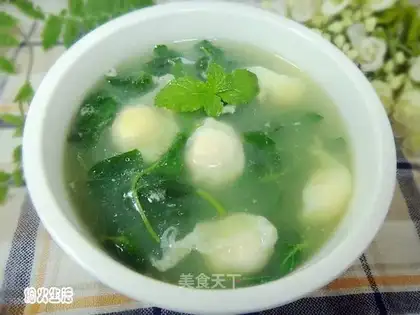
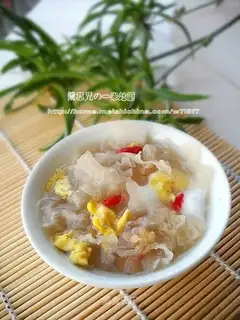
- Soups and Stews: Added to Chinese herbal soups (e.g., "pigeon egg and lean pork soup") for flavor and nutrition.
In Chinese cuisine, pigeon eggs are often considered a "warming" food, believed to nourish yin and improve circulation, making them popular during winter or for postpartum recovery. In French cuisine, they are used in gourmet dishes like "œufs de pigeon en gelée" (pigeon eggs in aspic) for their elegant appearance.
Potential Risks and Precautions
While pigeon eggs offer numerous health benefits, they are not without risks. Understanding these precautions is essential for safe consumption:
1. Salmonella Risk
Like all eggs, pigeon eggs can be contaminated with Salmonella, a bacterium that causes food poisoning. To minimize risk:
- Source from reputable suppliers: Ensure eggs are from clean, healthy pigeons raised in hygienic conditions.
- Cook thoroughly: Avoid raw or undercooked eggs, especially for vulnerable groups (children, pregnant women, the elderly).
- Store properly: Refrigerate eggs at 4°C (39°F) and use within 1–2 weeks of purchase.
2. High Cholesterol Content
Pigeon eggs are relatively high in cholesterol, with one egg containing about 100–120 milligrams—about 40% of the DRI. However, research shows that dietary cholesterol has a minimal impact on blood cholesterol for most people, as the liver adjusts its production accordingly. For individuals with hypercholesterolemia or heart disease, moderation is key (limiting intake to 2–3 eggs per week).
3. Allergic Reactions
Egg allergies are among the most common food allergies, and pigeon eggs may trigger similar reactions in sensitive individuals. Symptoms range from mild (hives, itching) to severe (anaphylaxis). Those with egg allergies should avoid pigeon eggs unless cleared by a healthcare provider.
4. Overconsumption Risks
Excessive intake of pigeon eggs (more than 4–5 per day) may lead to an imbalance of nutrients, such as excessive protein or vitamin A, which can cause toxicity (e.g., hypervitaminosis A, leading to nausea, headaches, or liver damage). Moderation is essential, even for nutrient-dense foods.
5. Ethical and Environmental Concerns
While not a health risk, the production of pigeon eggs raises ethical and environmental questions. Pigeons are often raised in crowded conditions, and their eggs may be collected from breeding birds. Consumers should choose suppliers that prioritize animal welfare and sustainable practices.
Conclusion: A Nutritious Addition to a Balanced Diet
Pigeon eggs are a nutritional treasure trove, offering high-quality protein, essential vitamins and minerals, and beneficial fatty acids in a small, versatile package. Their health benefits—from immune support to bone health—make them a valuable addition to diets seeking natural, nutrient-dense foods. However, like all foods, they should be consumed in moderation, with attention to food safety and individual health needs.
For those willing to explore beyond chicken eggs, pigeon eggs provide a unique blend of flavor, nutrition, and culinary potential. Whether pickled, poached, or baked into a cake, these "diamonds of the kitchen" offer a delicious way to enhance health and delight the palate. As global interest in diverse and nutrient-rich foods grows, pigeon eggs are poised to emerge from the shadows of obscurity into the spotlight of modern nutrition.