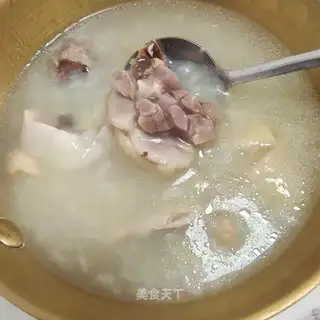
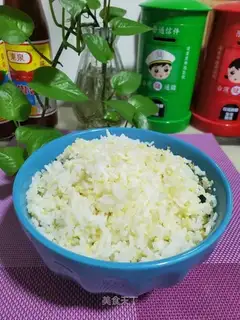
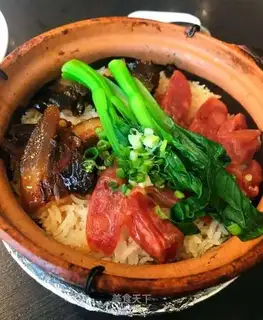
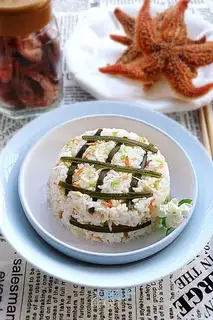
Rice, a staple food for over half of the world’s population, comes in countless varieties, each with unique characteristics. Among them, Silky Rice—known as Xiaomi in Chinese—stands out for its slender grains, delicate aroma, and exceptional nutritional profile. Cultivated primarily in the subtropical regions of Southern China, particularly Guangdong Province, this long-grain rice has been cherished for centuries not only for its culinary versatility but also for its health-promoting properties. This article explores the nutritional composition of Silky Rice, its diverse health benefits, and important considerations for consumption to ensure safe and optimal use.
I. Nutritional Value of Silky Rice
Silky Rice is a nutritional powerhouse, offering a balanced blend of macronutrients, vitamins, minerals, and bioactive compounds that support overall health. Its nutritional composition sets it apart from other rice varieties, making it a preferred choice for health-conscious individuals.
1. Macronutrients: Carbohydrates and Protein
As a carbohydrate-rich grain, Silky Rice provides a steady source of energy, with approximately 80% of its weight being complex carbohydrates. These carbohydrates are digested slowly, releasing glucose gradually into the bloodstream, which helps maintain stable blood sugar levels and prevents energy crashes. Unlike refined grains, Silky Rice retains its bran and germ (when consumed as brown or unpolished rice), ensuring a higher fiber content—about 2–3 grams per cooked cup—which aids digestion and promotes satiety.
In terms of protein, Silky Rice contains all nine essential amino acids, though it is slightly lower in lysine and methionine compared to animal proteins. When combined with legumes or nuts, it forms a complete protein profile, making it valuable for vegetarian and vegan diets. A cooked cup (about 195 grams) of Silky Rice provides roughly 4–5 grams of protein, contributing to muscle repair and growth.
2. Vitamins and Minerals
Silky Rice is a good source of B vitamins, particularly thiamine (B1), riboflavin (B2), and niacin (B3), which play critical roles in energy metabolism and nervous system function. Thiamine, for example, helps convert food into energy and supports brain health, while niacin maintains skin integrity and digestive function.
Mineral-wise, Silky Rice is rich in magnesium, phosphorus, and manganese. Magnesium is essential for muscle and nerve function, blood pressure regulation, and bone health. Phosphorus, abundant in rice, works with calcium to build strong bones and teeth. Manganese, a trace mineral, acts as an antioxidant and supports collagen production, which is vital for skin and joint health. Additionally, unpolished Silky Rice contains small amounts of iron and zinc, minerals that are often lacking in refined grains and are crucial for immune function and oxygen transport.
3. Bioactive Compounds
One of the most notable features of Silky Rice is its content of gamma-oryzanol, a potent antioxidant found primarily in the bran layer. Gamma-oryzanol has been studied for its ability to lower cholesterol levels, reduce inflammation, and protect against oxidative stress. It also contains phenolic compounds and ferulic acid, which exhibit anti-aging and anti-cancer properties. These bioactive compounds contribute to Silky Rice’s reputation as a “functional food” that goes beyond basic nutrition to promote long-term health.
II. Health Benefits of Silky Rice
The unique nutritional composition of Silky Rice translates into a range of health benefits, from improved digestion to chronic disease prevention. Regular consumption, as part of a balanced diet, can enhance overall well-being.
1. Supports Digestive Health
Thanks to its high fiber content, Silky Rice promotes healthy digestion by adding bulk to stool and supporting the growth of beneficial gut bacteria. Fiber acts as a prebiotic, feeding probiotics in the colon, which in turn strengthens the gut barrier and reduces inflammation. For individuals with constipation or irritable bowel syndrome (IBS), Silky Rice’s gentle, non-irritating texture makes it a soothing dietary choice. Brown Silky Rice, in particular, with its intact bran, is richer in insoluble fiber, which aids in regular bowel movements.
2. Regulates Blood Sugar Levels
The low glycemic index (GI) of Silky Rice—especially when consumed in its unpolished form—makes it an excellent choice for individuals with diabetes or those at risk of developing the condition. Complex carbohydrates and fiber slow down the absorption of sugar, preventing sharp spikes in blood glucose after meals. Studies have shown that replacing high-GI foods with low-GI grains like Silky Rice can improve insulin sensitivity and reduce the risk of type 2 diabetes.
3. Boosts Heart Health
Silky Rice contributes to cardiovascular health in multiple ways. Its magnesium content helps relax blood vessels, lowering blood pressure and reducing the risk of hypertension. The gamma-oryzanol in its bran has been shown to reduce LDL (“bad”) cholesterol while increasing HDL (“good”) cholesterol, thereby decreasing the risk of atherosclerosis and heart disease. Additionally, the fiber in Silky Rice binds to cholesterol in the digestive system, preventing its absorption into the bloodstream.
4. Enhances Energy and Brain Function
As a rich source of complex carbohydrates and B vitamins, Silky Rice provides sustained energy without the jitters associated with simple sugars. Thiamine (B1) in particular is critical for brain function, as it helps produce acetylcholine, a neurotransmitter involved in memory and learning. Regular consumption of Silky Rice may support cognitive performance and reduce the risk of age-related mental decline.
5. Supports Weight Management
The fiber and protein in Silky Rice promote satiety, helping individuals feel full for longer and reducing overall calorie intake. This makes it a valuable food for weight management or weight loss diets. Unlike low-carb diets, which can be difficult to sustain, a diet rich in whole grains like Silky Rice provides balanced nutrition while curbing hunger cravings.
6. Antioxidant and Anti-Aging Properties
The phenolic compounds and gamma-oryzanol in Silky Rice act as antioxidants, neutralizing harmful free radicals that cause cellular damage and accelerate aging. By reducing oxidative stress, these compounds may lower the risk of chronic diseases such as cancer, Alzheimer’s, and arthritis. Ferulic acid, another key antioxidant in Silky Rice, has been shown to protect skin from UV damage and improve skin elasticity, contributing to a youthful appearance.
III. Precautions and Considerations for Consumption
While Silky Rice offers numerous health benefits, it is important to consume it mindfully to avoid potential risks. Certain populations should exercise caution, and proper preparation methods can enhance its safety and nutritional value.
1. Arsenic Content in Rice
Like all rice varieties, Silky Rice may contain trace amounts of arsenic, a toxic metal naturally present in soil and water. Arsenic exposure over time can increase the risk of skin, lung, and bladder cancer, as well as cardiovascular disease. To minimize arsenic intake:
- Choose polished white Silky rice over brown rice, as arsenic accumulates in the bran layer.
- Rinse rice thoroughly before cooking and use a higher water-to-rice ratio (e.g., 6:1) to reduce arsenic levels by up to 50%.
- Diversify grain sources by alternating Silky Rice with other low-arsenic grains like quinoa, barley, or buckwheat.
2. Glycemic Considerations for Diabetics
While Silky Rice has a lower GI than white rice, individuals with diabetes should still monitor portion sizes. A serving of cooked Silky Rice (about ½ cup to 1 cup) is recommended to avoid blood sugar spikes. Pairing rice with protein-rich foods (e.g., chicken, fish) or healthy fats (e.g., avocado, olive oil) can further slow glucose absorption.
3. Allergic Reactions and Sensitivities
Although rare, some individuals may be allergic to rice, experiencing symptoms such as itching, hives, or digestive distress. Rice allergies are more common in infants and young children, who may outgrow them over time. If a suspected allergy occurs, it is advisable to eliminate rice from the diet and consult a healthcare professional.
4. Phytic Acid in Unpolished Rice
Brown Silky Rice, which retains its bran, contains phytic acid, an antinutrient that can bind to minerals like iron, zinc, and calcium, reducing their absorption. To mitigate this, soak brown rice overnight before cooking and discard the soaking water. Fermentation or sprouting can also break down phytic acid, enhancing mineral bioavailability.
5. Sodium Awareness in Processed Rice Products
Avoid flavored or instant rice products, which are often high in sodium, preservatives, and added sugars. Opt for plain, unseasoned Silky Rice and flavor it with herbs, spices, and natural ingredients like ginger or garlic to keep meals healthy and balanced.
IV. Conclusion
Silky Rice is more than just a staple food—it is a nutritional and medicinal treasure that has sustained and healed communities for centuries. Its rich profile of complex carbohydrates, protein, vitamins, minerals, and bioactive compounds makes it a valuable ally for digestive health, blood sugar regulation, heart health, and overall well-being. By consuming Silky Rice in its least processed form, preparing it properly, and being mindful of portion sizes, individuals can harness its full potential while minimizing risks.
In a world where processed foods dominate, Silky Rice stands as a reminder of the power of whole, natural foods to nourish and heal. Whether steamed, stir-fried, or served in a comforting porridge, this humble grain continues to be a cornerstone of healthy diets, bridging tradition and modern nutrition for generations to come.