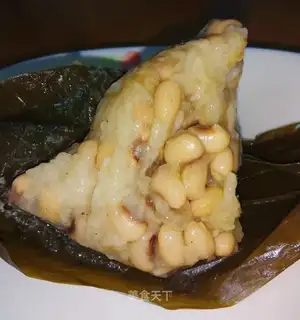
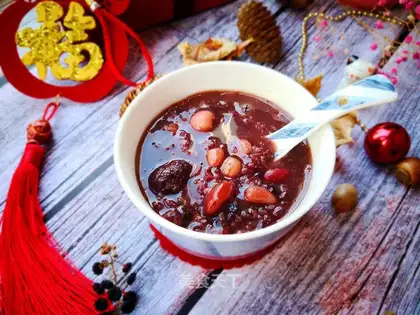
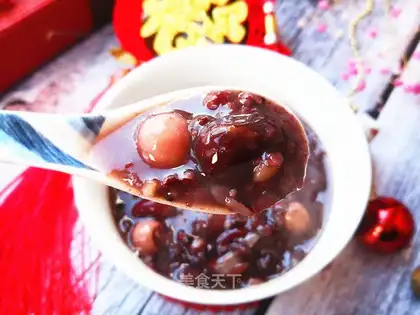
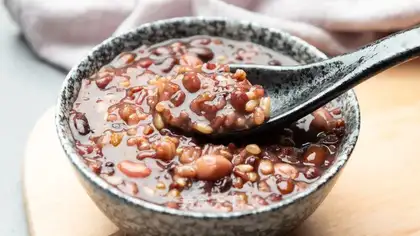
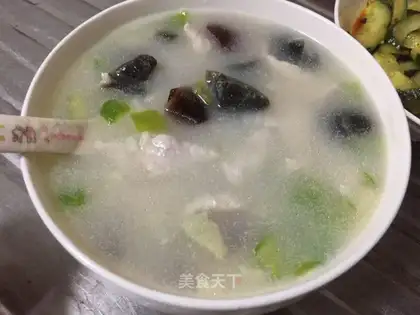
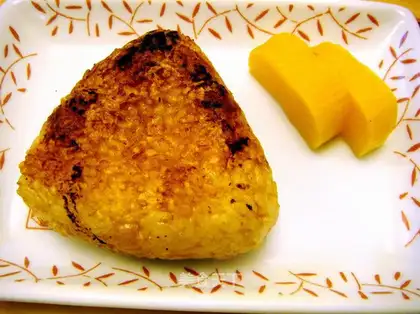
Glutinous rice, commonly known as "sticky rice" or "sweet rice," is a staple food in many Asian countries, including China, Thailand, Vietnam, and Japan. Unlike regular long-grain rice, glutinous rice is opaque, sticky when cooked, and has a sweet, nutty flavor. Its unique texture and versatility make it a key ingredient in both savory dishes (like zongzi and sticky rice sausage) and sweet treats (such as mango sticky rice and mochi). Beyond its culinary appeal, glutinous rice offers a range of nutritional benefits, but it also requires careful consumption due to its specific properties. This article explores the nutritional value of glutinous rice, its health benefits, and important dietary precautions to help individuals incorporate it wisely into their diets.
Nutritional Value of Glutinous Rice
Glutinous rice is primarily composed of carbohydrates, making it a rich source of energy. However, its nutritional profile differs from non-glutinous rice due to its unique composition of starch. A 100-gram serving of cooked glutinous rice contains approximately:
- Calories: 160–170 kcal, mostly from carbohydrates (35–40 grams).
- Protein: 2–3 grams, a modest amount compared to other grains like quinoa or brown rice.
- Fat: Less than 1 gram, making it a low-fat food.
- Dietary Fiber: 1–2 grams, significantly lower than brown rice but present in small quantities.
- Micronutrients: Trace amounts of iron, magnesium, phosphorus, and B vitamins (such as thiamin and niacin).
The most distinctive feature of glutinous rice is its amylopectin content—a type of starch that makes up nearly 100% of its composition (compared to 70–80% in non-glutinous rice). Amylopectin is a branched-chain carbohydrate that breaks down quickly during digestion, leading to rapid glucose release. This property contributes to its sticky texture but also influences its effects on blood sugar and digestion.
Health Benefits of Glutinous Rice
When consumed in moderation, glutinous rice can offer several health benefits, particularly for certain populations or when prepared in traditional ways.
1. Sustained Energy Release
Thanks to its high carbohydrate content, glutinous rice serves as an excellent energy source. The rapid digestion of amylopectin provides a quick boost of glucose, making it ideal for individuals needing immediate energy, such as athletes before workouts or laborers engaged in physical work. In traditional Chinese medicine, glutinous rice is often recommended to "restore vitality" and combat fatigue, especially during cold weather when the body requires more energy to maintain warmth.
2. Easy Digestibility for Certain Individuals
While the high starch content may concern those with digestive issues, glutinous rice is considered easy to digest for people with sensitive stomachs or those recovering from illness. In many Asian cultures, congee (rice porridge) made from glutinous rice is a staple "comfort food" for patients, children, and the elderly, as its soft, gelatinous texture is gentle on the digestive tract. The low fiber content also reduces the risk of bloating, making it a suitable alternative to high-fiber grains for those with irritable bowel syndrome (IBS) or post-surgery recovery.
3. Gluten-Free Alternative
Glutinous rice is naturally gluten-free, making it a safe and delicious option for individuals with celiac disease or gluten sensitivity. Unlike wheat, barley, or rye, it does not contain gluten proteins, which can trigger adverse reactions in gluten-intolerant people. This has led to its growing popularity in gluten-free baking and cooking, where it is used to make dishes like gluten-free rice cakes, dumplings, and even "gluten-free bread" when combined with other gluten-free flours.
4. Traditional Medicinal Uses
In traditional medicine, glutinous rice is believed to have warming properties, which help improve circulation and alleviate cold-related symptoms. For example, in Thailand, "khao tom" (sweet sticky rice with coconut milk) is often consumed during rainy seasons to warm the body. In China, glutinous rice wine is used in remedies to boost blood circulation and relieve joint pain. Additionally, the outer bran of some glutinous rice varieties contains antioxidants, such as ferulic acid, which may help reduce inflammation and oxidative stress.
5. Supports Bone Health
Though not a rich source of calcium, glutinous rice provides small amounts of magnesium and phosphorus, two minerals essential for bone health. Magnesium aids in calcium absorption and bone formation, while phosphorus works with calcium to maintain bone density. For individuals who consume dairy products or calcium-rich vegetables alongside glutinous rice, it can contribute to a balanced diet for bone maintenance.
Precautions and Potential Risks
Despite its benefits, glutinous rice is not suitable for everyone, and excessive consumption may lead to health issues. Understanding its limitations is key to enjoying it safely.
1. High Glycemic Index (GI) and Blood Sugar Concerns
Glutinous rice has a high glycemic index (GI), typically ranging from 80 to 100, meaning it causes rapid spikes in blood sugar levels. This is problematic for individuals with diabetes, insulin resistance, or metabolic syndrome. The quick release of glucose can overwhelm the body’s insulin response, leading to hyperglycemia. For such individuals, portion control is crucial, and pairing glutinous rice with high-fiber foods (like vegetables or legumes) can help slow glucose absorption.
2. Digestive Discomfort
While glutinous rice is easy to digest for some, its sticky texture can cause bloating, gas, or indigestion in others, especially when consumed in large quantities. The high starch content may ferment in the colon, leading to discomfort for people with low digestive enzyme activity or gut microbiome imbalances. Additionally, its low fiber content means it does not promote bowel movement, potentially contributing to constipation if not balanced with fiber-rich foods.
3. Weight Management Challenges
Due to its calorie density and high carbohydrate content, overconsumption of glutinous rice can contribute to weight gain. A single serving of cooked glutinous rice (about 1 cup, 200 grams) contains 300–350 calories, mostly from refined carbohydrates. For those trying to lose weight or maintain a healthy weight, it is important to limit portion sizes and prioritize whole, unprocessed foods to avoid excess calorie intake.
4. Arsenic Contamination Risk
Like all rice, glutinous rice may contain trace amounts of arsenic, a toxic metal that accumulates in rice grains due to agricultural practices. Brown glutinous rice, which retains the bran, tends to have higher arsenic levels than white glutinous rice. To minimize risk, consumers should rinse rice thoroughly before cooking, use excess water (a 6:1 water-to-rice ratio) to reduce arsenic absorption, and vary grain sources (e.g., mixing rice with quinoa or barley) to avoid overexposure.
5. Allergic Reactions
Though rare, some individuals may be allergic to glutinous rice, experiencing symptoms like itching, hives, or digestive upset. Cross-reactivity with other grains or rice proteins is possible, especially in those with existing grain allergies. If adverse reactions occur, discontinuing consumption and consulting a healthcare provider is advised.
Incorporating Glutinous Rice Wisely
To enjoy glutinous rice while minimizing risks, consider the following tips:
- Portion Control: Limit servings to ½–1 cup (cooked) per meal, especially for individuals with diabetes or weight concerns.
- Pair with Fiber and Protein: Combine glutinous rice with vegetables, lean proteins (like chicken or tofu), and healthy fats (such as avocado or nuts) to balance blood sugar and improve satiety.
- Choose Whole Grain Varieties: Opt for brown glutinous rice over white when possible, as it retains more fiber and micronutrients (though arsenic levels should be monitored).
- Soak and Rinse: Soaking glutinous rice for 30 minutes before cooking and rinsing it thoroughly can reduce arsenic content and improve digestibility.
- Traditional Preparation: Methods like steaming or making porridge (congee) are healthier than deep-frying, which adds excess fat and calories.
Conclusion
Glutinous rice is a culturally significant and nutritionally versatile grain that offers unique benefits, from providing quick energy to serving as a gluten-free alternative. Its high amylopectin content and mild, sticky texture make it a beloved ingredient in countless dishes, but its high glycemic index and potential digestive issues require mindful consumption. By understanding its nutritional profile, health benefits, and precautions, individuals can incorporate glutinous rice into a balanced diet, enjoying its delicious flavors while supporting overall health. Whether in a savory zongzi, a sweet mango sticky rice, or a simple bowl of congee, glutinous rice remains a timeless staple that bridges tradition and nutrition.