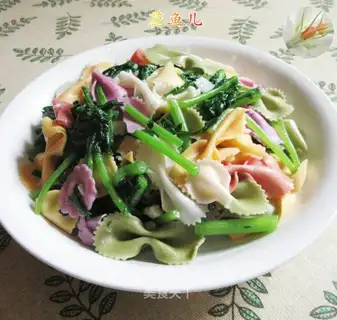
In the vast world of pasta, each shape tells a story—of tradition, region, and culinary creativity. Among these, farfalle, with its delicate, bow-tie silhouette, stands out not just for its aesthetic appeal but also for its impressive nutritional profile and versatility. Originating from 16th-century Italy, farfalle (Italian for "butterflies") has transcended its humble roots to become a beloved staple in global kitchens. Beyond its delightful texture and ability to hold sauces, farfalle offers a range of health benefits, from providing sustained energy to supporting digestive health. However, like all foods, it must be consumed mindfully to reap its rewards. This article explores the nutritional value of farfalle, its health benefits, and important considerations for optimal consumption.
Nutritional Value of Farfalle
Farfalle’s nutritional composition varies depending on whether it is made from refined or whole-grain flour, but its core nutrients make it a valuable addition to a balanced diet.
1. Carbohydrates: The Primary Energy Source
As a pasta, farfalle is rich in carbohydrates, which are the body’s main source of energy. A 100-gram serving of cooked refined farfalle provides approximately 30 grams of carbohydrates, while whole-grain farfalle contains around 37 grams, including 6–7 grams of dietary fiber. Carbohydrates are broken down into glucose, fueling the brain, muscles, and vital organs. For athletes or active individuals, farfalle offers a quick and sustained energy release, making it an ideal pre- or post-workout meal.
2. Protein: Building Blocks for Health
Though not as protein-rich as legumes or meat, farfalle still contributes to daily protein intake. A 100-gram serving of refined farfalle provides 8–10 grams of protein, while whole-grain varieties offer 10–12 grams. Protein is essential for repairing tissues, building muscle, and producing enzymes and hormones. When combined with protein-rich ingredients like chicken, beans, or cheese, farfalle becomes a complete meal that supports overall body function.
3. Dietary Fiber: Digestive Health and Beyond
Whole-grain farfalle is particularly noteworthy for its fiber content. Fiber aids digestion by adding bulk to stool, preventing constipation, and promoting a healthy gut microbiome. Soluble fiber, found in whole grains, helps lower cholesterol levels and regulate blood sugar by slowing the absorption of sugar. A diet high in fiber is also linked to a reduced risk of heart disease, type 2 diabetes, and certain cancers. Refined farfalle, stripped of its bran and germ, lacks this fiber, making whole-grain the healthier choice for those prioritizing digestive and metabolic health.
4. Vitamins and Minerals
Farfalle contains several key micronutrients, especially when made from whole grains. These include:
- B Vitamins: Thiamine (B1), riboflavin (B2), niacin (B3), and folate (B9) are abundant in whole-grain farfalle. B vitamins play a crucial role in energy metabolism, nerve function, and red blood cell production. Folate, in particular, is vital for pregnant women, as it supports fetal development.
- Iron: Essential for oxygen transport in the blood, iron is present in farfalle, especially when enriched. Pairing it with vitamin C-rich foods (like tomatoes or bell peppers) enhances iron absorption.
- Magnesium: This mineral supports muscle and nerve function, regulates blood pressure, and maintains bone health. Whole-grain farfalle provides more magnesium than refined varieties.
- Zinc: Important for immune function and wound healing, zinc is found in moderate amounts in farfalle, particularly whole-grain options.
5. Low Fat and Gluten-Free Options
Traditional farfalle is low in fat, with less than 1 gram per serving, making it suitable for low-fat diets. For those with gluten sensitivities or celiac disease, gluten-free farfalle made from rice, corn, quinoa, or buckwheat is widely available, offering a safe and nutritious alternative.
Health Benefits of Farfalle
Incorporating farfalle into a balanced diet can yield numerous health benefits, thanks to its nutrient density and adaptability in recipes.
1. Sustained Energy and Improved Athletic Performance
The complex carbohydrates in farfalle provide a slow and steady release of energy, preventing the blood sugar spikes and crashes associated with simple carbs. This makes it an excellent choice for athletes needing fuel for endurance activities. Additionally, the protein in farfalle helps repair muscles post-exercise, aiding in recovery.
2. Supports Digestive Health
The fiber in whole-grain farfalle promotes regular bowel movements and feeds beneficial gut bacteria, fostering a healthy microbiome. A healthy gut is linked to improved immunity, better mood regulation, and a reduced risk of digestive disorders like irritable bowel syndrome (IBS).
3. Heart Health
Whole-grain farfalle’s fiber content helps lower LDL ("bad") cholesterol, reducing the risk of atherosclerosis (hardening of the arteries). The B vitamins, particularly folate, also play a role in heart health by regulating homocysteine levels—an amino acid linked to heart disease when elevated.
4. Weight Management
When paired with lean proteins, vegetables, and healthy fats, farfalle can be part of a weight loss or maintenance plan. The fiber and protein in farfalle increase satiety, reducing overall calorie intake by curbing hunger. A serving of whole-grain farfalle with a Mediterranean-style sauce (rich in olive oil, vegetables, and fish) provides a satisfying, nutrient-dense meal that supports healthy weight management.
5. Blood Sugar Regulation
Whole-grain farfalle’s low glycemic index (GI) means it causes a slower rise in blood sugar compared to refined pasta. This is particularly beneficial for individuals with diabetes or insulin resistance, as it helps prevent blood sugar spikes and improves long-term blood sugar control.
食用禁忌 (Dietary Considerations and Precautions)
While farfalle is a nutritious food, certain groups should consume it with caution or modify their preparation methods to avoid potential health risks.
1. Gluten Sensitivity and Celiac Disease
Traditional farfalle contains gluten, a protein found in wheat, barley, and rye. For individuals with celiac disease or non-celiac gluten sensitivity, gluten can trigger severe digestive issues, nutrient malabsorption, and long-term complications. Such individuals should opt for certified gluten-free farfalle made from alternative grains like rice, quinoa, or lentils.
2. Portion Control for Weight Management
Though farfalle can support weight loss, overconsumption of any pasta—especially refined varieties—can lead to weight gain. A standard serving of pasta is about 1/2 cup (cooked), but many people eat 2–3 times this amount. To avoid excess calorie intake, pair farfalle with nutrient-dense ingredients like vegetables, lean proteins, and healthy fats, and limit high-calorie sauces (e.g., cream-based or Alfredo).
3. Refined vs. Whole-Grain Choices
Refined farfalle, made from white flour, lacks the fiber, vitamins, and minerals of whole-grain versions. Regular consumption of refined pasta has been linked to an increased risk of obesity, type 2 diabetes, and heart disease. Opting for whole-grain farfalle ensures a higher nutrient intake and better blood sugar regulation.
4. Sodium Awareness
Many commercially prepared pasta sauces and seasoned farfalle varieties are high in sodium, which can contribute to high blood pressure and cardiovascular issues. To reduce sodium intake, use homemade sauces (e.g., tomato-based or pesto) with minimal salt, or opt for low-sodium store-bought options.
5. Diabetics and Blood Sugar Control
While whole-grain farfalle is a better choice for diabetics, portion control remains key. Even whole grains can raise blood sugar if consumed in large quantities. Pairing farfalle with fiber-rich vegetables, lean protein, and healthy fats can further slow glucose absorption and improve blood sugar response.
Conclusion
Farfalle is more than just a visually appealing pasta—it is a nutritional powerhouse that can contribute to a healthy, balanced diet. Its carbohydrate content provides sustained energy, while its protein, fiber, and micronutrient support digestive health, heart function, and overall well-being. For those with dietary restrictions, gluten-free and whole-grain options ensure that farfalle remains accessible and beneficial. By consuming farfalle in moderation, prioritizing whole grains, and pairing it with nutrient-rich ingredients, individuals can enjoy its delicious taste while reaping its health rewards. Whether in a simple tomato sauce or a complex Mediterranean dish, farfalle proves that healthy eating can be both nutritious and delightful.