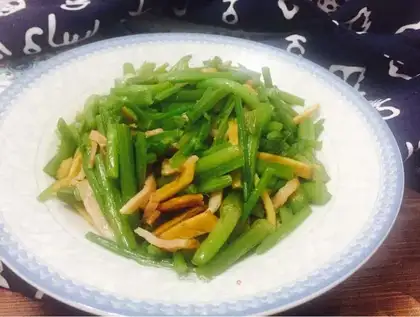
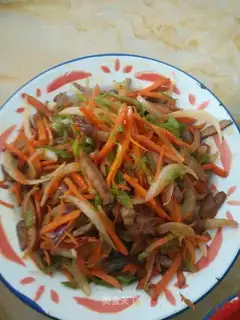
Tea dry, known as chá gān in Chinese, is a traditional soy product with a rich history dating back to ancient China. Made by pressing and drying tofu sheets or curds, it is characterized by its firm texture, savory flavor, and versatility in cooking. While often overshadowed by more mainstream ingredients like fresh vegetables or meat, tea dry packs a surprising nutritional punch and offers numerous health benefits. However, like all foods, it must be consumed mindfully to avoid potential drawbacks. This article explores the nutritional value of tea dry, its health benefits, proper consumption methods, and important precautions to ensure safe and enjoyable use.
Nutritional Value of Tea Dry
Tea dry is a nutrient-dense food, primarily derived from soybeans, which are celebrated for their high protein content and rich array of bioactive compounds. A 100-gram serving of tea dry typically contains:
- Protein: Approximately 15–20 grams, making it an excellent plant-based protein source. Soy protein in tea dry is complete, containing all nine essential amino acids (histidine, isoleucine, leucine, lysine, methionine, phenylalanine, threonine, tryptophan, and valine), which are crucial for muscle repair, immune function, and hormone synthesis.
- Dietary Fiber: Around 5–8 grams, aiding digestion and promoting gut health. Fiber also helps regulate blood sugar levels and lowers cholesterol by binding to bile acids in the digestive tract.
- Vitamins and Minerals: Tea dry is a good source of B vitamins (especially B2, B6, and folate), which play key roles in energy metabolism and red blood cell production. It also contains minerals like calcium (important for bone health), iron (for oxygen transport), magnesium (for muscle and nerve function), and zinc (for immune support).
- Isoflavones: Phytoestrogens unique to soybeans, genistein, daidzein, and glycitein. These compounds have antioxidant, anti-inflammatory, and estrogen-like effects, which contribute to many of tea dry’s health benefits.
- Low Fat and Calories: With about 10–15 grams of fat (mostly unsaturated) and 150–200 calories per 100 grams, tea dry is a relatively low-calorie, heart-healthy option when consumed in moderation.
The nutritional profile of tea dry varies slightly depending on whether it is made from whole soybeans, tofu skin, or a blend of ingredients, but its core benefits remain consistent.
Health Benefits of Tea Dry
Regular consumption of tea dry, as part of a balanced diet, can offer a range of health advantages, supported by both traditional Chinese medicine (TCM) and modern scientific research.
1. Supports Muscle Maintenance and Growth
With its high-quality protein content, tea dry is an ideal food for individuals looking to build or preserve muscle mass. This includes athletes, older adults (who are at risk of sarcopenia, age-related muscle loss), and those recovering from illness or injury. The amino acids in tea dry stimulate muscle protein synthesis, helping to repair tissues and maintain strength.
2. Promotes Heart Health
Soy products like tea dry are well-known for their cardiovascular benefits. The isoflavones and fiber in tea dry help lower LDL (“bad”) cholesterol while increasing HDL (“good”) cholesterol, reducing the risk of atherosclerosis (hardening of the arteries). Additionally, unsaturated fats in tea dry support healthy blood lipid levels, and its low sodium content (when minimally processed) helps regulate blood pressure, further protecting the heart.
3. Aids in Weight Management
Tea dry is a filling, low-calorie food that can support weight loss or maintenance goals. Its high protein and fiber content increase satiety, reducing overall calorie intake by curbing hunger. For example, adding tea dry to salads, stir-fries, or soups can make meals more satisfying without adding excessive calories, making it easier to adhere to a calorie-controlled diet.
4. Enhances Bone Health
While dairy products are often the first choice for bone health, tea dry offers a valuable plant-based alternative. It contains calcium, magnesium, and isoflavones, all of which contribute to bone density. Isoflavones, in particular, have been shown to reduce bone resorption (the breakdown of bone tissue) and may help prevent osteoporosis, especially in postmenopausal women who experience a decline in estrogen levels.
5. Balances Blood Sugar Levels
The fiber and protein in tea dry slow the absorption of sugar in the bloodstream, preventing sharp spikes in blood glucose after meals. This makes it a beneficial food for individuals with diabetes or prediabetes. Studies suggest that soy isoflavones may also improve insulin sensitivity, helping the body use glucose more efficiently.
6. Provides Antioxidant and Anti-Inflammatory Effects
Tea dry is rich in antioxidants, including isoflavones, vitamin E, and selenium, which neutralize harmful free radicals and reduce oxidative stress. Chronic oxidative stress is linked to aging, cancer, and chronic diseases, so incorporating antioxidant-rich foods like tea dry into the diet can help protect against these conditions. Additionally, the anti-inflammatory properties of isoflavones may alleviate symptoms of inflammatory conditions, such as arthritis.
7. Supports Digestive Health
The dietary fiber in tea dry promotes regular bowel movements and prevents constipation by adding bulk to stool and feeding beneficial gut bacteria. A healthy gut microbiome is associated with improved immunity, better mood, and reduced risk of digestive disorders, such as irritable bowel syndrome (IBS) and colorectal cancer.
Culinary Uses and Versatility
Beyond its nutritional benefits, tea dry is prized for its culinary versatility. Its firm, chewy texture and savory umami flavor make it a popular ingredient in both traditional and modern dishes.
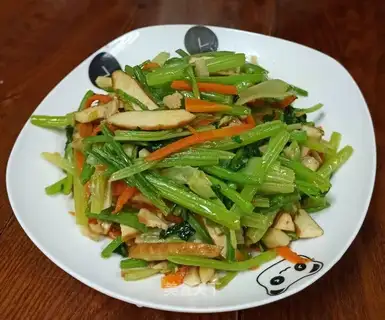
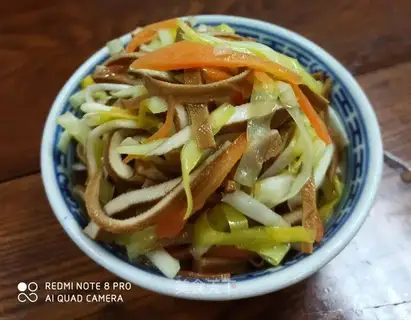
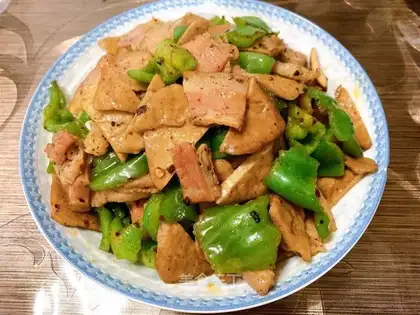
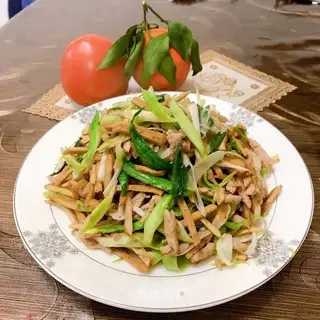
- Stir-fries and Braises: Tea dry absorbs flavors well, making it perfect for stir-fries with vegetables, meat, or seafood. In Chinese cuisine, it is often braised with soy sauce, star anise, and ginger to create a rich, savory side dish.
- Soups and Stews: Adding tea dry to soups (such as hot and sour soup or vegetable broth) enhances flavor and texture while boosting protein content.
- Salads and Cold Dishes: Thinly sliced tea dry can be marinated in sesame oil, vinegar, and garlic for a refreshing salad topping or appetizer.
- Sandwiches and Wraps: For a plant-based alternative to deli meat, tea dry can be sliced and seasoned to make sandwiches or wraps, providing a satisfying texture and protein boost.
- Snacks: Roasted or spiced tea dry is a popular snack in China, similar to jerky, offering a portable and nutrient-dense option for on-the-go eating.
Potential Side Effects and Precautions
While tea dry is a healthy food for most people, certain individuals should consume it with caution or avoid it altogether.
1. Soy Allergies
Soy is one of the eight major allergens, and individuals with soy allergies should strictly avoid tea dry. Allergic reactions can range from mild (hives, itching) to severe (anaphylaxis, difficulty breathing). Those with a known soy allergy should read labels carefully, as tea dry may be cross-contaminated with other soy products during processing.
2. Thyroid Disorders
Soy contains goitrogens, compounds that can interfere with thyroid function by inhibiting the uptake of iodine, a mineral essential for thyroid hormone production. While moderate soy consumption is generally safe for people with healthy thyroids, those with hypothyroidism or iodine deficiency should limit their intake and consult a healthcare provider. Cooking tea dry can reduce its goitrogenic effects, making it safer for individuals with thyroid concerns.
3. Estrogen Sensitivity
Soy isoflavones have weak estrogen-like effects, which may be a concern for individuals with hormone-sensitive conditions, such as breast, ovarian, or endometrial cancer. While research on this topic is mixed, some studies suggest that high soy intake could potentially stimulate the growth of hormone-dependent tumors. Women with a history of hormone-related cancers should discuss soy consumption with their doctor.
4. Phytates and Mineral Absorption
Tea dry, like other soy products, contains phytates (phytic acid), which can bind to minerals like iron, zinc, and calcium, reducing their absorption. This is generally not a concern for individuals with a balanced diet, but those with mineral deficiencies (e.g., iron deficiency anemia) may want to limit their tea dry intake or consume it with foods rich in vitamin C (which enhances iron absorption). Soaking or fermenting tea dry can reduce phytate levels and improve mineral bioavailability.
5. Sodium Content
While plain tea dry is low in sodium, some commercially varieties are heavily salted or seasoned to enhance flavor. Excessive sodium intake is linked to high blood pressure and an increased risk of heart disease. Individuals with hypertension or kidney disease should choose low-sodium or unsalted versions of tea dry and avoid adding extra salt during cooking.
6. Moderation is Key
Even for healthy individuals, moderation is important. Overconsumption of tea dry (or any soy product) may lead to digestive issues, such as bloating or gas, due to its high fiber and oligosaccharide content. A balanced diet that includes a variety of protein sources (e.g., legumes, whole grains, lean meats) is recommended to avoid overreliance on any single food.
Conclusion
Tea dry is a nutrient-rich, versatile ingredient that offers a wide range of health benefits, from supporting muscle growth and heart health to aiding digestion and blood sugar control. Its high protein, fiber, and isoflavone content make it a valuable addition to a balanced diet, particularly for those seeking plant-based protein sources. However, individuals with soy allergies, thyroid disorders, or hormone-sensitive conditions should consume it cautiously, and moderation is key to avoiding potential side effects.
When sourced and prepared mindfully—opting for low-sodium, minimally processed varieties—tea dry can be a delicious and healthy staple in any kitchen. Whether stir-fried, braised, or enjoyed as a snack, this traditional soy product continues to prove its worth as both a culinary delight and a nutritional powerhouse. By understanding its benefits and precautions, we can fully appreciate tea dry’s role in promoting long-term health and wellness.