Introduction
In the vast landscape of global cuisine, few ingredients are as versatile and nutritionally dense as tofu. Among its many varieties, silken tofu—known as nan豆腐 (nán dòufu) in Chinese, literally "southern tofu"—stands out for its delicate texture, mild flavor, and exceptional health profile. Originating in ancient China, silken tofu is made by coagulating soy milk with magnesium chloride or gypsum, resulting in a custard-like consistency that sets it apart from firmer tofu varieties. For centuries, it has been a staple in Asian diets, revered for its ability to absorb flavors while providing a wealth of nutrients. Today, as plant-based diets gain global popularity, silken tofu has emerged as a favorite among health enthusiasts, chefs, and nutritionists alike. This article explores the nutritional composition of silken tofu, its diverse health benefits, and important considerations for consumption, offering a comprehensive guide to this humble yet remarkable ingredient.
Nutritional Value of Silken Tofu
Silken tofu is often called a "nutritional chameleon" due to its impressive macronutrient and micronutrient profile, which adapts to support various health needs. A 100-gram serving of silken tofu (approximately half a cup) contains approximately:
- Calories: 70–80, making it a low-calorie option for weight management.
- Protein: 6–8 grams, including all nine essential amino acids, making it a complete plant-based protein. This is particularly valuable for vegetarians, vegans, and individuals looking to reduce animal product consumption.
- Fat: 4–5 grams, primarily heart-healthy unsaturated fats (including omega-3 and omega-6 fatty acids), with minimal saturated fat.
- Carbohydrates: 2–3 grams, mostly fiber, with negligible sugar content.
- Calcium: 100–200 mg (10–20% of the daily value), depending on whether calcium sulfate is used as a coagulant. This makes it a boon for bone health.
- Iron: 1–2 mg (5–10% of the daily value), supporting oxygen transport and energy production.
- Magnesium: 30–40 mg (8–10% of the daily value), crucial for muscle function, nerve signaling, and blood sugar regulation.
- Phosphorus: 100–150 mg (10–15% of the daily value), which works with calcium to build and maintain strong bones and teeth.
- Vitamins: It provides B vitamins (such as B1, B2, and B6), which are essential for metabolism, and vitamin E, an antioxidant that protects cells from damage.
- Isoflavones: Silken tofu is rich in isoflavones, plant compounds with estrogen-like and antioxidant properties. Key isoflavones include genistein, daidzein, and glycitein, which have been linked to numerous health benefits.
Health Benefits of Silken Tofu
The nutritional profile of silken tofu translates into a range of health benefits, from supporting heart health to promoting longevity. Below are some of the most well-documented advantages:
1. Supports Heart Health
Cardiovascular disease remains a leading global health concern, but dietary choices can significantly reduce risk. Silken tofu is a heart-healthy ingredient for several reasons:
- Low in Saturated Fat: Unlike animal proteins, silken tofu contains minimal saturated fat, which is linked to high cholesterol and atherosclerosis.
- Rich in Unsaturated Fats: The monounsaturated and polyunsaturated fats in silken tofu help lower LDL ("bad") cholesterol while increasing HDL ("good") cholesterol.
- Isoflavones and Blood Pressure: Studies suggest that soy isoflavones may improve endothelial function (the health of blood vessel linings) and reduce blood pressure by increasing nitric oxide production, which relaxes blood vessels. A 2019 meta-analysis in The American Journal of Clinical Nutrition found that regular soy consumption was associated with a 10% lower risk of cardiovascular disease.
2. Aids in Weight Management
For individuals aiming to lose or maintain weight, silken tofu is an ideal food due to its low calorie density and high satiety value:
- High Protein, Low Calories: Protein is more satiating than carbohydrates or fats, meaning a serving of silken tofu can keep you full longer, reducing overall calorie intake. Research published in Appetite found that high-protein meals reduced subsequent hunger and delayed the desire to eat more effectively than high-carb meals.
- Low Glycemic Index: With just 2–3 grams of carbohydrates per serving, silken tofu has a minimal impact on blood sugar, preventing energy crashes and cravings.
3. Promotes Bone Health
Osteoporosis, a condition characterized by weak and brittle bones, is particularly common in older adults and postmenopausal women. Silken tofu can play a role in preventing bone loss:
- Calcium and Phosphorus: These minerals are the building blocks of bone tissue. Silken tofu, especially when made with calcium sulfate, provides a bioavailable source of calcium (the body easily absorbs it). A 100-gram serving can provide up to 20% of the daily calcium requirement.
- Isoflavones and Bone Density: Soy isoflavones may help slow bone resorption (the breakdown of bone tissue) and stimulate bone formation. A 2020 study in Osteoporosis International found that postmenopausal women who consumed soy isoflavones regularly had higher bone mineral density than those who did not.
4. Regulates Blood Sugar
Silken tofu is a valuable food for individuals with diabetes or those at risk of developing the condition:
- Low Glycemic Load: The minimal carbohydrate content and high protein and fat levels in silken tofu slow digestion, preventing rapid spikes in blood sugar. A 2018 study in Nutrients found that replacing high-carb foods with silken tofu improved post-meal blood sugar control in people with type 2 diabetes.
- Magnesium and Insulin Sensitivity: Magnesium, present in silken tofu, is involved in insulin signaling. Low magnesium levels are linked to insulin resistance, a precursor to type 2 diabetes. Consuming magnesium-rich foods like silken tofu may enhance insulin sensitivity.
5. Supports Muscle Recovery and Growth
Protein is essential for repairing and building muscle tissue, making silken tofu an excellent choice for athletes, older adults (to combat sarcopenia), and anyone looking to maintain muscle mass:
- Complete Amino Acid Profile: Silken tofu contains all nine essential amino acids, including leucine, which triggers muscle protein synthesis. While soy protein is slightly less digestible than animal protein (due to its fiber content), it is still highly effective for muscle maintenance when consumed as part of a balanced diet.
- Post-Workout Nutrition: The combination of protein and carbohydrates in silken tofu makes it a ideal post-workout meal. Protein repairs muscle damage, while carbohydrates replenish glycogen stores, the body’s primary source of energy during exercise.
6. Rich in Antioxidants
Oxidative stress, caused by an imbalance between free radicals and antioxidants, is linked to chronic diseases, including cancer, Alzheimer’s, and heart disease. Silken tofu’s antioxidant content helps combat this:
- Isoflavones: Genistein and daidzein, in particular, have potent antioxidant properties that neutralize free radicals and reduce inflammation. A 2017 review in Journal of Agricultural and Food Chemistry highlighted that soy isoflavones may protect against oxidative DNA damage, lowering cancer risk.
- Vitamin E: This fat-soluble vitamin protects cell membranes from oxidative damage, supporting overall cellular health.
7. Supports Digestive Health
Silken tofu is gentle on the digestive system and can promote gut health:
- Fiber: While not as high in fiber as firm tofu, silken tofu still contains 1–2 grams of fiber per serving, which aids digestion and prevents constipation.
- Prebiotic Potential: The oligosaccharides (a type of carbohydrate) in soy milk may act as prebiotics, feeding beneficial gut bacteria and promoting a healthy microbiome.
Precautions and Potential Side Effects
While silken tofu is a nutritious food, there are several considerations to keep in mind to maximize its benefits and minimize risks:
1. Soy Allergies
Soy is one of the eight major allergens, and individuals with soy allergies should avoid silken tofu entirely. Symptoms of a soy allergy can range from mild (hives, itching) to severe (anaphylaxis, difficulty breathing). If you suspect a soy allergy, consult a healthcare provider for testing.
2. Goitrogenic Effects
Soy contains goitrogens, compounds that can interfere with thyroid function by inhibiting the uptake of iodine. For most people, this is not a concern, as long as iodine intake is adequate (e.g., through iodized salt or seafood). However, individuals with preexisting thyroid conditions (such as hypothyroidism) or those taking thyroid medication should consume soy in moderation and consult their doctor. Cooking soy reduces its goitrogenic activity, so cooked silken tofu is safer than raw soy products.
3. Phytoestrogens and Hormonal Sensitivity
Soy isoflavones have weak estrogen-like effects, which has raised concerns about their impact on hormone-sensitive conditions such as breast cancer, endometriosis, and uterine fibroids. While research is mixed, most studies suggest that moderate soy consumption (1–2 servings per day) is safe for healthy individuals. However, those with hormone-sensitive cancers should limit intake and discuss it with their oncologist.
4. Genetically Modified (GM) Soy
The majority of soybeans grown globally are genetically modified to resist herbicides. If you prefer to avoid GM foods, choose organic silken tofu, which is made from non-GMO soybeans.
5. Sodium Content
While plain silken tofu is low in sodium, flavored varieties (such as smoked or spiced tofu) can be high in added salt. Excessive sodium intake is linked to high blood pressure and heart disease. Opt for plain silken tofu and season it yourself with herbs, spices, or low-sodium sauces.
6. Purine Levels
Silken tofu contains purines, which are broken down into uric acid in the body. High uric acid levels can trigger gout, a painful form of arthritis. Individuals with gout or kidney problems should limit their intake of purine-rich foods, including tofu.
Creative Ways to Incorporate Silken Tofu into Your Diet
Silken tofu’s mild flavor and creamy texture make it incredibly versatile in the kitchen. Here are some ideas to enjoy it:
- Smoothies: Blend silken tofu with fruits, spinach, and plant-based milk for a creamy, high-protein smoothie.
- Desserts: Use silken tofu as a base for puddings, mousses, or cheesecakes (it replaces cream and reduces sugar).
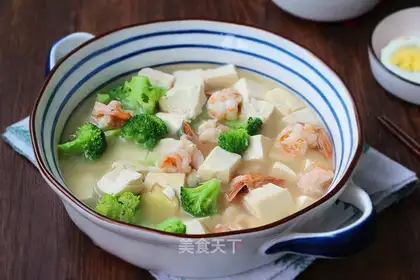
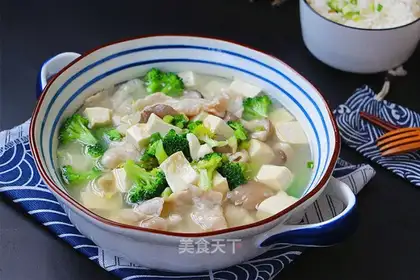
- Soups and Sauces: Stir silken tofu into miso soup, curry, or creamy sauces to add thickness and protein without dairy.
- Salads: Crumble silken tofu over salads for a protein boost, or use it as a base for vegan "egg" salad (mix with vegan mayo, celery, and onion).
- Marinades: Silken tofu absorbs flavors beautifully, making it ideal for marinating. Use it in stir-fries or as a base for vegan "chicken" or "fish" dishes.
Conclusion
Silken tofu is more than just a meat substitute—it is a nutritional powerhouse that supports heart health, weight management, bone strength, and overall well-being. Its versatility in cooking, from savory dishes to sweet desserts, makes it an accessible ingredient for diverse diets. While moderate consumption is key for individuals with specific health concerns, most people can safely enjoy silken tofu as part of a balanced diet. As research continues to uncover the benefits of plant-based foods, silken tofu remains a timeless staple, bridging culinary tradition and modern nutrition. Whether you are a health enthusiast, a busy parent, or a curious cook, silken tofu offers a delicious and nutritious way to enhance your meals and support your health for years to come.