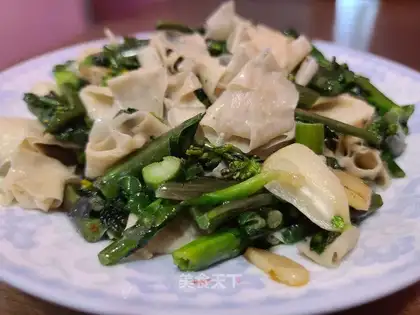
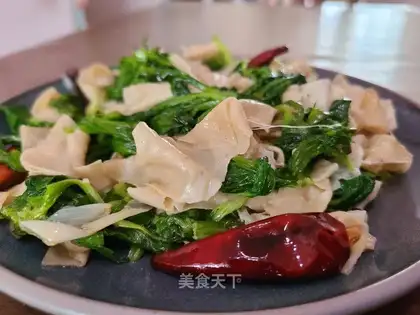
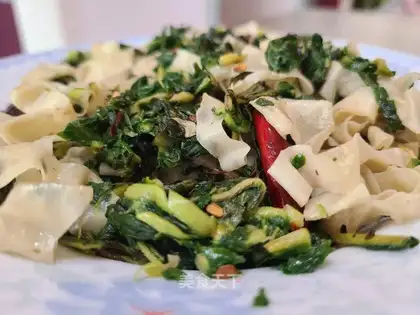
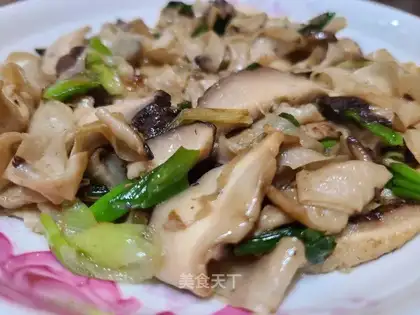
Introduction
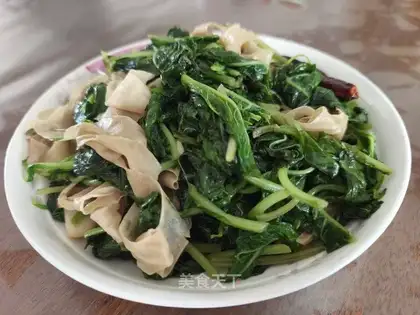
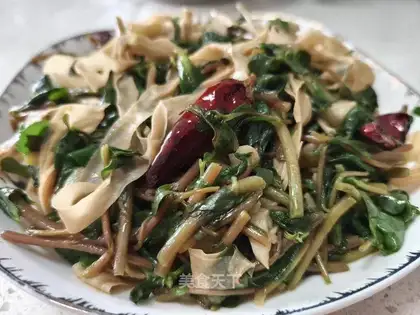
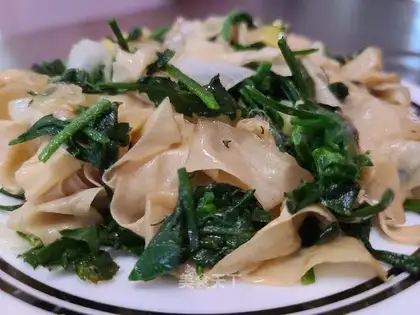
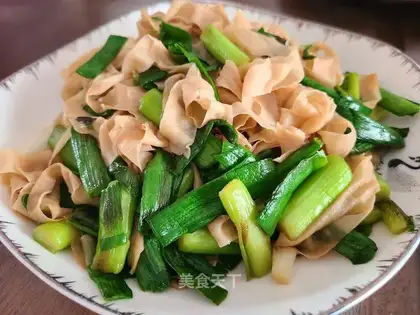
In the vast landscape of plant-based foods, few ingredients balance nutrition, versatility, and culinary tradition quite like dried bean curd skin (DBC), also known as soybean skin, yuba, or bean curd sheet. Crafted from the thin film that forms when heated soy milk is cooled, this parchment-like staple has been a cornerstone of Asian cuisine for centuries. Today, as global interest in plant-based proteins and functional foods grows, DBC is gaining recognition beyond its cultural roots—not only for its ability to elevate dishes with its umami-rich flavor and unique texture but also for its impressive nutritional profile. However, like all foods, it must be consumed mindfully to reap its benefits safely. This article explores the nutritional value of dried bean curd skin, its health benefits, potential risks, and practical guidelines for inclusion in a balanced diet.
Nutritional Value of Dried Bean Curd Skin
Dried bean curd skin is a nutritional powerhouse, offering a dense concentration of macronutrients, vitamins, minerals, and bioactive compounds. Its composition reflects the nutritional excellence of soybeans, from which it is derived, but in a more concentrated form due to the drying process.
1. High-Quality Protein
DBC is an exceptional source of plant-based protein, containing 40–50% protein by dry weight—comparable to animal products like chicken or fish. Unlike many plant proteins, soy protein (the primary protein in DBC) is "complete," meaning it provides all nine essential amino acids (histidine, isoleucine, leucine, lysine, methionine, phenylalanine, threonine, tryptophan, and valine) that the human body cannot synthesize. This makes it particularly valuable for vegetarians, vegans, and individuals looking to reduce meat consumption. Notably, DBC is rich in lysine, an amino acid often lacking in grain-based diets, enhancing its role in complementary protein pairing.
2. Healthy Fats
While DBC is low in fat (approximately 10–15% by weight), the fat it does contain is predominantly unsaturated—specifically, polyunsaturated fatty acids (PUFAs) including omega-3 and omega-6 fatty acids. These fats support heart health by reducing LDL ("bad") cholesterol and inflammation. The absence of cholesterol further solidifies DBC as a heart-healthy choice.
3. Dietary Fiber
DBC is a good source of dietary fiber, particularly soluble fiber, which aids digestion, promotes satiety, and helps regulate blood sugar levels. A 100-gram serving of DBC provides about 15–20 grams of fiber, contributing to daily intake goals (25–30 grams for adults) and supporting gut health by acting as a prebiotic to feed beneficial gut bacteria.
4. Vitamins and Minerals
Dried bean curd skin is packed with essential micronutrients. It is particularly high in:
- B vitamins: Riboflavin (B2), niacin (B3), and vitamin B12 (often fortified or present in trace amounts due to fermentation). These vitamins play critical roles in energy metabolism, nerve function, and red blood cell production.
- Minerals: Iron (crucial for oxygen transport and preventing anemia), calcium (vital for bone health), magnesium (supports muscle and nerve function), and zinc (important for immune health and wound healing). A 100-gram serving of DBC can provide up to 30% of the daily recommended intake of iron and 20% of calcium.
- Antioxidants: DBC contains isoflavones (e.g., genistein, daidzein), plant compounds with antioxidant and anti-inflammatory properties. Isoflavones are phytoestrogens that may help balance hormone levels and reduce the risk of chronic diseases.
5. Low in Calories and Carbohydrates
For those managing weight or blood sugar, DBC is an ideal ingredient. It is low in calories (around 300–350 calories per 100 grams) and carbohydrates (15–20% by weight), with minimal sugar. This makes it suitable for low-carb, ketogenic, and diabetic diets when consumed in moderation.
Health Benefits of Dried Bean Curd Skin
The nutrient density of DBC translates to a range of health benefits, supported by both traditional use and modern scientific research.
1. Supports Muscle Maintenance and Growth
As a complete protein source, DBC is essential for muscle synthesis and repair. This makes it valuable for athletes, older adults (to combat age-related muscle loss, or sarcopenia), and anyone recovering from illness or injury. Its high lysine content also complements plant-based diets rich in grains, which are typically low in lysine, ensuring optimal amino acid balance.
2. Promotes Heart Health
DBC’s combination of plant protein, unsaturated fats, and fiber makes it a heart-healthy food. Studies show that replacing animal protein with soy protein can reduce LDL cholesterol by 5–10%, lowering the risk of cardiovascular disease. The isoflavones in DBC may also improve blood vessel elasticity and reduce inflammation, further supporting heart function.
3. Aids in Weight Management
The high fiber and protein content of DBC promotes satiety, helping to curb overeating and reduce overall calorie intake. Fiber slows digestion, keeping you full longer, while protein requires more energy to metabolize than carbohydrates or fats, slightly boosting metabolism. Incorporating DBC into meals (e.g., in stir-fries, soups, or as a meat substitute) can enhance fullness without adding excessive calories.
4. Regulates Blood Sugar Levels
Soluble fiber in DBC slows the absorption of sugar in the bloodstream, preventing sharp spikes in blood glucose after meals. This is particularly beneficial for individuals with diabetes or insulin resistance. A 2018 study published in the Journal of Nutrition found that soy fiber improved glycemic control in type 2 diabetics, making DBC a smart dietary choice for blood sugar management.
5. Strengthens Bones
DBC is a good source of calcium and vitamin K (often produced by gut bacteria but also present in fermented soy products), both critical for bone health. Calcium provides the structural framework of bones, while vitamin K aids in bone mineralization. Regular consumption of DBC, especially when combined with vitamin D (from sunlight or fortified foods), may help prevent osteoporosis, particularly in postmenopausal women.
6. Exhibits Anticancer Potential
Isoflavones in DBC have been studied for their anticancer properties, particularly in reducing the risk of hormone-related cancers such as breast and prostate cancer. Genistein, a key isoflavone, inhibits the growth of cancer cells and prevents tumor angiogenesis (the formation of new blood vessels that feed tumors). While more human trials are needed, epidemiological studies suggest that populations with high soy intake (e.g., in East Asia) have lower rates of certain cancers.
7. Supports Skin and Hair Health
DBC’s antioxidant content helps protect skin cells from damage caused by free radicals (e.g., UV radiation and pollution), reducing signs of aging like wrinkles and fine lines. Additionally, its protein and amino acids (e.g., arginine and lysine) support collagen production, which maintains skin elasticity. For hair, the iron and zinc in DBC prevent hair loss and promote healthy growth, while B vitamins strengthen hair follicles.
Potential Risks and Consumption Considerations
While dried bean curd skin is highly nutritious, certain populations should consume it with caution, and proper preparation is key to avoiding adverse effects.
1. Phytoestrogens and Hormonal Sensitivity
Isoflavones in DBC act as phytoestrogens, meaning they can mimic estrogen in the body. For most people, this is beneficial (e.g., reducing menopausal symptoms). However, individuals with hormone-sensitive conditions—such as breast cancer, endometriosis, or uterine fibroids—should consult a healthcare provider before consuming large amounts of DBC. Some studies suggest that high soy intake may stimulate the growth of hormone-dependent tumors, though evidence is mixed. Moderation (e.g., 2–3 servings per week) is generally recommended for this group.
2. Antinutrients
Like other soy products, DBC contains antinutrients such as phytic acid and trypsin inhibitors, which can reduce the absorption of minerals (e.g., iron, zinc) and interfere with protein digestion. However, these compounds are largely reduced during processing:
- Soaking and cooking: Soaking DBC in water for 30 minutes before cooking and boiling it for 10–15 minutes can degrade most antinutrients.
- Fermentation: If DBC is fermented (e.g., in tempeh or miso), antinutrient levels decrease further, enhancing nutrient bioavailability.
3. Sodium Content
Some commercially available DBC products (e.g., flavored or pre-seasoned sheets) may be high in sodium due to added salt or sauces. Excess sodium intake is linked to high blood pressure and cardiovascular disease. To minimize sodium, choose unseasoned DBC and prepare it at home with low-sodium ingredients.
4. Allergies
Soy is one of the top eight food allergens, and individuals with soy allergies should strictly avoid DBC. Symptoms of a soy allergy range from mild (hives, itching) to severe (anaphylaxis), so those with a known allergy must read labels carefully (as DBC may be hidden in processed foods).
5. Purine Content
DBC contains moderate levels of purines, natural compounds that break down into uric acid. For individuals with gout or kidney problems, high purine intake can trigger flare-ups or worsen kidney function. Such individuals should limit DBC consumption or opt for low-purine alternatives (e.g., tofu, which has lower purine levels).
Practical Tips for Incorporating Dried Bean Curd Skin into Your Diet
Dried bean curd skin’s versatility makes it easy to include in a variety of dishes. Here are some practical tips:
1. Preparation
- Rehydration: Dried bean curd skin is hard and brittle in its dried form. Soak it in warm water for 15–20 minutes until soft, then pat dry with a paper towel. For a chewier texture, use hot water.
- Cooking: DBC can be stir-fried, boiled, steamed, or deep-fried. It absorbs flavors well, making it ideal for marinating.
2. Culinary Uses
- As a meat substitute: Rehydrated DBC can be shredded or rolled to mimic chicken or pork in dishes like mapo tofu, spring rolls, or Buddhist "vegetarian duck."
- In soups and stews: Add DBC to hot and sour soup, miso soup, or vegetable broth to enhance protein content and texture.
- As a wrap: Use softened DBC sheets to roll fillings like rice, vegetables, or mushrooms for a healthy alternative to rice paper or tortillas.
- As a garnish: Deep-fried DBC (known as "tofu skin crisps") adds a crunchy topping to salads, noodles, or congee.
3. Serving Suggestions
- Breakfast: Add rehydrated DBC to congee (rice porridge) with mushrooms and scallions for a protein-rich start to the day.
- Lunch/Dinner: Stir-fry DBC with bell peppers, broccoli, and tofu in a low-sodium soy sauce and ginger-garlic sauce.
- Snacks: Make "tofu skin rolls" by spreading hummus on DBC sheets, adding shredded carrots and spinach, and rolling them up for a portable snack.
4. Recommended Intake
For most healthy adults, 2–3 servings of DBC per week (each serving ≈ 30–50 grams, or 1–2 sheets) is sufficient to reap benefits without exceeding safe limits for phytoestrogens or purines. Pregnant and breastfeeding women should consult a doctor before increasing soy intake.
Conclusion
Dried bean curd skin is a nutritional and culinary gem, offering a unique combination of high-quality protein, healthy fats, fiber, and micronutrients. Its health benefits—from supporting muscle growth and heart health to regulating blood sugar and protecting against chronic diseases—make it a valuable addition to a balanced diet. However, mindful consumption is essential: individuals with hormone-sensitive conditions, soy allergies, or gout should exercise caution, and proper preparation can minimize antinutrient content.
As global interest in plant-based foods continues to rise, dried bean curd skin stands out as a versatile, sustainable, and nutrient-dense ingredient. Whether used as a meat substitute, a soup thickener, or a crunchy garnish, it bridges tradition and modern nutrition, proving that simple, whole foods can be both delicious and transformative for health. By understanding its value and respecting its limitations, we can all harness the power of dried bean curd skin to nourish our bodies and delight our palates.