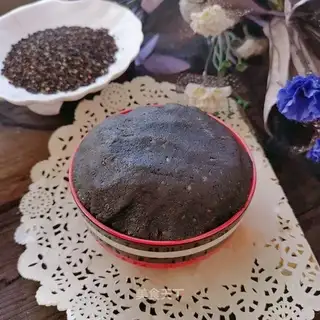
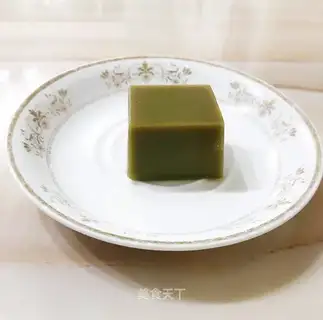
White bean paste, known as shiroan in Japanese or bándòu shā in Chinese, is a smooth, sweet paste made from cooked white beans (typically varieties like navy beans, Great Northern beans, or haricot beans). With a delicate, subtly sweet flavor and creamy texture, it has long been a staple in East Asian cuisine, featuring in traditional desserts such as manjū (steamed buns), dorayaki (pancakes), and taiyaki (fish-shaped pastries). Beyond its culinary versatility, white bean paste is increasingly recognized for its nutritional richness and potential health benefits. However, like many foods, it requires mindful consumption to avoid adverse effects. This article explores the nutritional profile of white bean paste, its health-promoting properties, and important considerations for safe consumption.
Nutritional Value of White Bean Paste
White bean paste is a nutrient-dense food, offering a balanced blend of macronutrients, fiber, vitamins, and minerals. Its nutritional content varies slightly depending on the type of beans used and whether sugar is added, but the following values reflect a typical homemade or minimally processed version (per 100g serving):
1. Macronutrients
- Protein: White beans are an excellent source of plant-based protein, providing approximately 7–9g per 100g of paste. Protein is essential for muscle repair, immune function, and enzyme production, making white bean paste a valuable addition to vegetarian or vegan diets.
- Carbohydrates: The paste contains around 20–25g of carbohydrates, primarily from starch naturally present in beans. When commercially produced, added sugar may increase this content to 30–40g or more, so checking labels is advisable for those monitoring sugar intake.
- Fat: Naturally low in fat (0.5–1g per 100g), white bean paste is a heart-healthy choice. It contains no cholesterol and minimal saturated fat, unless mixed with animal-based ingredients like butter in some recipes.
2. Dietary Fiber
White beans are rich in dietary fiber, providing 5–7g per 100g of paste. Fiber is crucial for digestive health, as it promotes regular bowel movements, prevents constipation, and supports a healthy gut microbiome. Soluble fiber, in particular, helps lower LDL (“bad”) cholesterol by binding to it in the digestive tract and reducing its absorption.
3. Vitamins and Minerals
- Folate (Vitamin B9): White bean paste is a good source of folate, with approximately 80–100mcg per 100g (20–25% of the daily recommended intake). Folate is vital for DNA synthesis, cell division, and fetal development, making it especially important during pregnancy.
- Iron: With around 2–3mg of iron per 100g (10–15% of the daily value), white bean paste can help prevent iron deficiency anemia. However, plant-based iron (non-heme iron) is less easily absorbed than heme iron from animal sources. Pairing it with vitamin C-rich foods (e.g., citrus fruits) enhances absorption.
- Magnesium and Potassium: These minerals are abundant in white beans, with the paste providing 30–40mg of magnesium and 150–200mg of potassium per 100g. Magnesium supports muscle and nerve function, while potassium helps regulate blood pressure by balancing sodium levels.
- Antioxidants: White beans contain polyphenols, flavonoids, and anthocyanins (if using colored varieties like cranberry beans), which combat oxidative stress and reduce inflammation. These compounds may lower the risk of chronic diseases, including heart disease and diabetes.
Health Benefits of White Bean Paste
The combination of nutrients in white bean paste contributes to several health benefits, making it more than just a sweet treat.
1. Supports Digestive Health
The high fiber content in white bean paste promotes a healthy digestive system. Fiber adds bulk to stool, facilitating regularity and preventing digestive issues like constipation. Additionally, soluble fiber acts as a prebiotic, feeding beneficial gut bacteria (e.g., Bifidobacteria) and improving gut microbiome diversity. A balanced gut microbiome is linked to better immunity, reduced inflammation, and even improved mood.
2. Regulates Blood Sugar Levels
Despite its sweet taste, white bean paste has a moderate glycemic index (GI) due to its fiber and protein content, which slow down carbohydrate digestion and glucose absorption. This helps prevent sharp spikes in blood sugar levels, making it a suitable option for people with diabetes or those at risk of developing the condition. However, commercial versions with added sugar may have a higher GI, so opting for low-sugar or homemade varieties is preferable.
3. Promotes Heart Health
White bean paste supports cardiovascular health in multiple ways. Its fiber content lowers LDL cholesterol, while potassium and magnesium help regulate blood pressure by relaxing blood vessels. The antioxidants in beans, such as quercetin and kaempferol, reduce oxidative damage to blood vessels and inhibit inflammation, both of which are key contributors to atherosclerosis (hardening of the arteries). Studies suggest that regular consumption of legumes, including white beans, is associated with a 10–15% lower risk of heart disease.
4. Aids Weight Management
As a low-fat, high-fiber, and high-protein food, white bean paste can help with weight management. Fiber promotes satiety, reducing overall calorie intake by keeping you feeling full longer. Protein also increases the thermic effect of food (the energy expended during digestion), further supporting metabolic health. Incorporating white bean paste into balanced meals or snacks can prevent overeating and help maintain a healthy weight.
5. Provides Essential Nutrients for Pregnancy
Folate is critical during pregnancy to prevent neural tube defects (e.g., spina bifida) in developing fetuses. White bean paste, as a natural source of folate, can be a valuable part of a prenatal diet. Additionally, its iron content supports increased blood volume during pregnancy, reducing the risk of maternal anemia. However, pregnant women should consume it in moderation and ensure it is made from fully cooked beans to avoid bacterial contamination.
食用禁忌 (Consumption Precautions)
While white bean paste offers numerous health benefits, certain groups should exercise caution or limit intake:
1. High Sugar Content in Commercial Varieties
Many store-bought white bean pastes contain added sugar, corn syrup, or artificial sweeteners to enhance sweetness. Excessive sugar intake is linked to obesity, type 2 diabetes, dental cavities, and inflammation. For example, a typical 100g serving of commercial white bean paste may contain 30–40g of sugar—equivalent to 7–10 teaspoons. To minimize sugar intake, choose unsweetened varieties or make homemade paste using natural sweeteners like stevia, monk fruit, or a small amount of honey.
2. Allergies and Intolerances
Although rare, some individuals may be allergic to white beans. Symptoms of a bean allergy include hives, swelling, digestive upset, or anaphylaxis (in severe cases). People with known legume allergies should avoid white bean paste. Additionally, beans contain oligosaccharides (complex carbohydrates) that can cause gas, bloating, or abdominal discomfort in individuals with sensitive digestive systems. Soaking beans thoroughly before cooking and discarding the soaking water can reduce oligosaccharide levels.
3. Purine Content for Gout Patients
White beans are moderate in purines, natural compounds that break down into uric acid. In people with gout (a form of arthritis caused by high uric levels), excessive purine intake can trigger painful flare-ups. While white bean paste is not as purine-dense as organ meats or certain seafood, gout patients should consume it in moderation and consult a healthcare provider if unsure.
4. Sodium in Processed Versions
Some commercially produced white bean pastes, especially those used in savory dishes, may contain added sodium for flavor. High sodium intake can increase blood pressure and raise the risk of cardiovascular disease. Individuals with hypertension or kidney disease should opt for low-sodium or homemade versions.
5. Phytates and Mineral Absorption
White beans contain phytates (antinutrients that bind to minerals like iron, zinc, and calcium, reducing their absorption). While soaking, sprouting, or cooking beans can lower phytate levels, individuals relying on plant-based diets for mineral intake should ensure a varied intake of other mineral-rich foods (e.g., leafy greens, nuts, seeds) to compensate.
Conclusion
White bean paste is a versatile and nutritious ingredient that offers a wealth of health benefits, from supporting digestive and heart health to aiding weight management and providing essential nutrients during pregnancy. Its high fiber, protein, and mineral content make it a smart choice for those seeking a balanced diet, provided it is consumed in its least processed form. However, mindful consumption is key: opt for homemade or low-sugar varieties, be aware of potential allergens, and limit intake if you have specific health conditions like gout or hypertension. When enjoyed as part of a varied and balanced diet, white bean paste can be both a delicious and nourishing addition to meals and snacks.