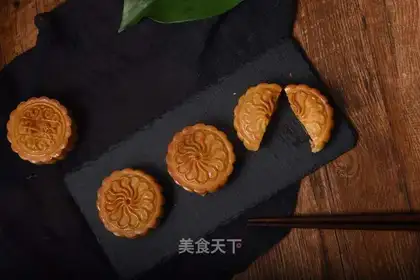
Lotus seed paste (莲蓉, lián róng), a traditional ingredient in East Asian cuisine, is cherished for its delicate sweetness, smooth texture, and versatility in both sweet and savory dishes. From mooncakes and tangyuan (sweet rice balls) to steamed buns and porridge, this paste has transcended cultural boundaries to become a global favorite. Beyond its culinary appeal, lotus seed paste is a nutritional powerhouse, packed with bioactive compounds that offer numerous health benefits. However, like many foods, it must be consumed mindfully to avoid potential risks. This article explores the nutritional composition of lotus seed paste, its health-promoting properties, and important precautions for safe consumption.
Nutritional Composition of Lotus Seed Paste
Lotus seed paste is primarily made from dried lotus seeds (Nelumbo nucifera), which are rich in macronutrients, micronutrients, and beneficial plant compounds. Its nutritional profile varies slightly depending on whether it is made with or without added sugar or oil, but the core nutrients remain consistent.
Macronutrients
Lotus seeds are a good source of complex carbohydrates and plant-based protein. A 100-gram serving of unsweetened lotus seed paste contains approximately:
- Carbohydrates: 60–65 grams, mostly in the form of starch and dietary fiber. The fiber content aids digestion and promotes satiety, while slow-digesting carbohydrates provide sustained energy.
- Protein: 12–15 grams, making it a valuable protein source for vegetarians and vegans. Lotus seeds contain all essential amino acids, including lysine and methionine, which are often limited in plant-based diets.
- Fat: 2–4 grams, primarily unsaturated fats like oleic and linoleic acid. These heart-healthy fats support cholesterol balance and reduce inflammation.
Micronutrients
Lotus seeds are exceptionally rich in essential minerals and vitamins:
- Potassium: A 100-gram serving provides ~500–600 mg of potassium, crucial for regulating blood pressure, fluid balance, and nerve function.
- Magnesium: ~100–150 mg per serving, which supports muscle relaxation, bone health, and over 300 enzymatic reactions in the body.
- Calcium: ~50–70 mg, contributing to bone and teeth strength.
- Iron: ~2–3 mg, essential for hemoglobin production and oxygen transport.
- B Vitamins: Thiamine (B1), riboflavin (B2), and niacin (B3) are present in moderate amounts, aiding energy metabolism and nervous system health.
- Phosphorus: ~200–250 mg, vital for ATP production (the body’s energy currency) and cell membrane structure.
Bioactive Compounds
The most notable bioactive compounds in lotus seeds are:
- Lotus Saponins: These triterpenoid saponins exhibit antioxidant, anti-inflammatory, and immune-boosting properties. They may also help lower blood sugar and cholesterol levels.
- Alkaloids: Such as liensinine, isoliensinine, and neferine, which have been studied for their cardioprotective, neuroprotective, and anti-arrhythmic effects.
- Polyphenols: Including quercetin and kaempferol, which combat oxidative stress and reduce the risk of chronic diseases.
Health Benefits of Lotus Seed Paste
Regular consumption of lotus seed paste, in moderation, can contribute to overall health due to its diverse nutritional and bioactive components.
1. Supports Heart Health
The unsaturated fats, potassium, and saponins in lotus seeds collectively promote cardiovascular health. Potassium helps counteract the effects of sodium, lowering blood pressure and reducing the risk of hypertension. Saponins inhibit cholesterol absorption in the gut, while polyphenols prevent LDL (“bad”) cholesterol from oxidizing—a key step in atherosclerosis. A 2018 study in the Journal of Ethnopharmacology found that neferine, an alkaloid in lotus seeds, reduced arterial plaque formation in animal models, suggesting potential benefits for preventing heart disease.
2. Enhances Sleep Quality
Lotus seeds contain natural sedative compounds, including alkaloids and polysaccharides, which have been used in traditional Chinese medicine (TCM) to calm the mind and improve sleep. They increase the production of gamma-aminobutyric acid (GABA), a neurotransmitter that inhibits excessive brain activity, reducing anxiety and insomnia. A small human trial published in Phytomedicine (2020) reported that participants who consumed lotus seed extract before bed experienced improved sleep duration and quality.
3. Boosts Immune Function
Lotus seeds are rich in antioxidants, such as polyphenols and flavonoids, which neutralize free radicals and reduce oxidative stress—a major contributor to aging and chronic diseases. Additionally, their protein content provides essential amino acids for synthesizing immune cells (e.g., antibodies and cytokines). The saponins in lotus seeds also stimulate macrophage activity, enhancing the body’s ability to fight infections.
4. Aids Digestion and Gut Health
With 6–8 grams of dietary fiber per 100 grams, lotus seed paste supports digestive health by promoting regular bowel movements and preventing constipation. The fiber also acts as a prebiotic, feeding beneficial gut bacteria (e.g., Lactobacillus and Bifidobacterium), which are critical for immune function, nutrient absorption, and reducing inflammation. A 2021 study in Food & Function linked lotus seed fiber to increased microbial diversity in the gut, a marker of overall gut health.
5. Regulates Blood Sugar Levels
Lotus seeds have a low glycemic index (GI ~40–50), meaning they cause a gradual rise in blood sugar, making them suitable for people with diabetes or prediabetes. The fiber and polyphenols in lotus seeds slow carbohydrate digestion and improve insulin sensitivity. A 2019 animal study in Journal of Agricultural and Food Chemistry found that lotus seed saponins reduced blood sugar levels by 20–30% in diabetic rats, attributed to enhanced glucose uptake in muscles and liver.
6. Promotes Skin Health
The antioxidants in lotus seeds, particularly quercetin and kaempferol, protect skin cells from UV damage and pollution-induced oxidative stress. Vitamin E (if present in small amounts) and polyphenals also support collagen production, maintaining skin elasticity and reducing wrinkles. In TCM, lotus seeds are often used in herbal remedies for “nourishing the blood” and improving complexion, a practice now supported by modern research on their anti-aging properties.
Precautions and Potential Side Effects
While lotus seed paste offers numerous health benefits, improper consumption or underlying health conditions may lead to adverse effects.
1. High Sugar Content in Commercial Varieties
Most commercially available lotus seed pastes are loaded with added sugar (up to 30–40% of their weight) to enhance sweetness. Excessive sugar intake is linked to obesity, type 2 diabetes, and dental caries. To mitigate this, opt for unsweetened or low-sugar varieties, or prepare homemade paste with natural sweeteners like stevia or monk fruit.
2. Allergic Reactions
Though rare, lotus seed allergies can occur, especially in individuals with seed allergies (e.g., sesame or sunflower). Symptoms may include itching, hives, swelling, or anaphylaxis. Those with known seed allergies should avoid lotus seed paste or consult a healthcare provider before consumption.
3. Digestive Discomfort
The high fiber content in lotus seed paste may cause bloating, gas, or diarrhea if consumed in large amounts, especially for individuals with sensitive digestive systems. Start with small portions (1–2 tablespoons) and gradually increase intake to allow the gut to adapt.
4. Interaction with Medications
Lotus seeds contain natural alkaloids that may interact with certain medications:
- Blood Pressure Medications: The potassium in lotus seeds may potentiate the effects of ACE inhibitors or diuretics, leading to low blood pressure (hypotension).
- Diabetes Drugs: Due to their blood sugar-lowering properties, lotus seeds may enhance the effects of insulin or oral hypoglycemics, increasing the risk of hypoglycemia.
- Sedatives: The sedative compounds in lotus seeds may amplify the effects of sleeping pills or anti-anxiety medications, causing excessive drowsiness.
Individuals taking these medications should consult a doctor before including lotus seed paste in their diet.
5. Not Suitable for Everyone
- Pregnant and Breastfeeding Women: While lotus seeds are generally safe, excessive consumption may stimulate uterine contractions (due to alkaloids). Moderate intake is advised.
- Children: Young children may have difficulty digesting the high fiber content; limit portions to 1–2 teaspoons.
- People with Kidney Disease: The potassium in lotus seeds can accumulate in the blood of individuals with impaired kidney function, leading to hyperkalemia (high potassium levels), which is dangerous for heart health.
Conclusion
Lotus seed paste is more than a culinary delight—it is a nutrient-dense ingredient with scientifically backed health benefits, from supporting heart health and immune function to regulating blood sugar and promoting skin vitality. However, its nutritional value is maximized when consumed in moderation, especially when choosing unsweetened varieties and being mindful of potential interactions with medications or underlying health conditions. By incorporating lotus seed paste into a balanced diet, individuals can enjoy its unique flavor while harnessing its therapeutic properties. As with any food, the key to reaping its benefits lies in mindful consumption—savoring its goodness while respecting the body’s needs.