Introduction
Artemisia argyi, commonly known as mugwort or wormwood, is a perennial herb belonging to the Asteraceae family. For millennia, it has been revered in traditional medicine and culinary practices across East Asia, Europe, and North America. With its distinctively aromatic leaves and earthy flavor, mugwort is more than just a culinary ingredient—it is a nutritional and therapeutic treasure. Rich in vitamins, minerals, and bioactive compounds, Artemisia argyi offers a myriad of health benefits, from anti-inflammatory and antioxidant effects to digestive and immune support. However, like many potent herbs, it must be used with caution due to potential side effects and contraindications. This article explores the nutritional profile, health benefits, culinary applications, and important precautions associated with Artemisia argyi, providing a comprehensive guide for incorporating this ancient herb into a modern lifestyle.
Nutritional Profile of Artemisia argyi
Artemisia argyi’s nutritional value lies in its dense concentration of vitamins, minerals, and phytochemicals that contribute to its therapeutic properties.
Vitamins and Minerals
Mugwort is a rich source of essential vitamins, particularly vitamin A (in the form of beta-carotene), which is crucial for vision, immune function, and skin health. It also contains significant amounts of vitamin E, a powerful antioxidant that protects cells from oxidative damage, and vitamin K, which plays a key role in blood clotting and bone metabolism.
In terms of minerals, mugwort is abundant in iron, a vital component of hemoglobin that prevents anemia; calcium, which supports bone density and muscle function; and magnesium, which aids in nerve transmission, muscle relaxation, and blood sugar regulation. Additionally, it provides trace amounts of potassium, zinc, and selenium, all of which are essential for maintaining overall health.
Phytochemicals
The most notable phytochemicals in Artemisia argyi are terpenoids, flavonoids, and coumarins, which contribute to its medicinal properties. Terpenoids such as artemisinin—a compound with well-documented antimalarial effects—give mugwort its potent antimicrobial and anti-inflammatory properties. Flavonoids like quercetin and kaempferol act as antioxidants, neutralizing free radicals and reducing inflammation. Coumarins, meanwhile, have anticoagulant and vasodilatory effects, supporting cardiovascular health.
Protein and Fiber
While not as protein-rich as legumes or meat, mugwort contains moderate levels of plant-based protein, providing all essential amino acids when combined with other protein sources. It is also a good source of dietary fiber, which promotes digestive health by regulating bowel movements and supporting gut bacteria.
Health Benefits of Artemisia argyi
The combination of nutrients and phytochemicals in Artemisia argyi underpins its wide range of health benefits, many of which have been validated by modern scientific research.
1. Anti-Inflammatory and Antioxidant Properties
Chronic inflammation is a root cause of many diseases, including arthritis, heart disease, and cancer. Artemisia argyi contains high levels of flavonoids and artemisinin, which inhibit pro-inflammatory enzymes (such as COX-2) and cytokines (such as TNF-α). Studies have shown that mugwort extract reduces inflammation in conditions like rheumatoid arthritis and inflammatory bowel disease (IBD).
Its antioxidant capacity is equally impressive. The flavonoids and vitamin E in mugwort scavenge free radicals, preventing oxidative stress that damages cells and accelerates aging. This makes mugwort a potential adjunctive therapy for age-related conditions, such as cataracts and neurodegenerative diseases.
2. Digestive Health
Mugwort has long been used in traditional medicine to alleviate digestive discomfort. Its fiber content promotes regularity, while its essential oils stimulate the secretion of digestive enzymes, improving nutrient absorption. Additionally, mugwort’s anti-inflammatory properties soothe the lining of the digestive tract, making it beneficial for conditions like gastritis and indigestion.
In some cultures, mugwort tea is consumed after meals to reduce bloating and cramping. Its mild antimicrobial effects also help balance gut microbiota by inhibiting the growth of harmful bacteria like E. coli.
3. Women’s Health
Artemisia argyi is particularly renowned for its benefits to women’s health. Traditional Chinese Medicine (TCM) uses mugwort to regulate menstruation and alleviate menstrual cramps. Its ability to stimulate blood flow to the uterus helps relieve dysmenorrhea (painful periods) and may reduce symptoms of premenstrual syndrome (PMS).
Mugwort is also used postpartum to promote uterine recovery and reduce lochial (postpartum bleeding). However, pregnant women should avoid mugwort, as it may stimulate uterine contractions and increase the risk of miscarriage.
4. Immune Support
The high vitamin C content in mugwort (though less than citrus fruits) enhances immune function by stimulating the production of white blood cells. Its antimicrobial properties further support immunity by fighting off pathogens like bacteria, viruses, and fungi. Artemisinin, in particular, has shown antiviral effects against herpes simplex virus (HSV) and hepatitis B virus (HBV).
5. Skin Health
Mugwort’s anti-inflammatory and antioxidant make it a popular ingredient in skincare products. Topical application of mugwort extract can soothe skin conditions like eczema, psoriasis, and acne by reducing redness and inflammation. Its antimicrobial properties also help combat acne-causing bacteria. In Korea, mugwort-infused masks and toners are widely used for their ability to calm sensitive skin and promote a clear complexion.
6. Detoxification and Liver Health
Artemisia argyi supports liver function by enhancing the activity of detoxification enzymes, such as glutathione S-transferase, which neutralizes toxins. The herb’s diuretic properties also promote the elimination of waste through urine, reducing the burden on the liver. Studies suggest that mugwort extract may protect the liver from chemical damage caused by alcohol or environmental pollutants.
Culinary Uses of Artemisia argyi
Beyond its medicinal properties, Artemisia argyi is a versatile culinary ingredient used in various cuisines worldwide. Its flavor is often described as earthy, slightly bitter, and herbaceous, with hints of mint and camphor.
Traditional Dishes
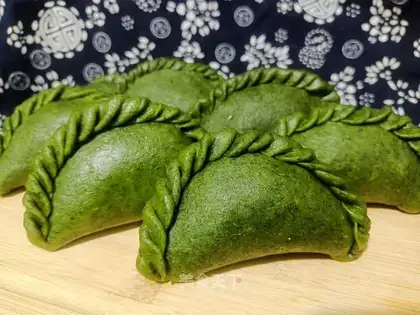
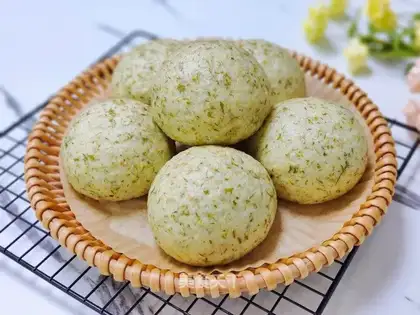
In China, mugwort (known as ai) is a key ingredient in Qingtuan, a green glutinous rice cake eaten during the Qingming Festival. The young leaves of mugwort are pounded into a paste and mixed with rice flour, giving the cake its distinctive color and aroma. Mugwort is also used to make ai cha (mugwort tea) and ai jiao (mugwort dumplings), which are believed to warm the body and improve circulation.
In Korea, mugwort (ssuk) is used to make ssuk-guk, a traditional soup served on birthdays and holidays. The leaves are simmered with beef, rice cakes, and vegetables, creating a nutritious and flavorful dish. Mugwort is also a key ingredient in ssuk-jeon (mugwort pancakes), where the leaves are mixed with flour and eggs and pan-fried until crispy.
In Europe, mugwort was historically used to flavor beers and meads before the widespread use of hops. Today, it is occasionally used in herbal infusions, salads, and as a seasoning for game meats.
Modern Culinary Applications
As interest in herbal cuisine grows, mugwort is being incorporated into innovative dishes. Chefs use it to infuse oils, vinegars, and syrups, adding a unique flavor to dressings, desserts, and cocktails. Mugwort powder can also be mixed into smoothies, soups, or baked goods for a nutritional boost.
When using mugwort in cooking, it is important to select young, tender leaves, as older leaves can be bitter. The herb can be used fresh or dried, though drying concentrates its flavor and medicinal compounds.
Precautions and Contraindications
While Artemisia argyi offers numerous health benefits, it is not without risks. Its potent bioactive compounds can cause adverse effects in certain individuals, and it may interact with medications.
1. Pregnancy and Breastfeeding
Mugwort should be avoided during pregnancy due to its uterine-stimulating properties, which may increase the risk of miscarriage or premature labor. Breastfeeding women should also exercise caution, as there is limited research on its safety for nursing infants.
2. Allergies
Mugwort is a common allergen and is closely related to ragweed, birch, and pollen. Individuals with a history of hay fever, asthma, or mugwort allergy may experience allergic reactions such as skin rashes, hives, or difficulty breathing. Cross-reactivity with other plants in the Asteraceae family (e.g., chamomile, sunflowers) is also possible.
3. Drug Interactions
Mugwort may interact with anticoagulant medications (e.g., warfarin) due to its coumarin content, increasing the risk of bleeding. It may also enhance the effects of diabetes medications, leading to hypoglycemia (low blood sugar). Individuals taking sedatives or anti-anxiety drugs should avoid mugwort, as it may amplify their effects.
4. Dosage and Toxicity
Excessive consumption of mugwort can lead to toxicity, particularly due to its artemisinin content. High doses may cause nausea, vomiting, dizziness, or liver damage. It is recommended to limit intake to culinary amounts (e.g., a few leaves per dish) or follow the guidance of a healthcare provider when using supplements.
5. Children and Individuals with Medical Conditions
Children, the elderly, and individuals with liver or kidney disease should avoid mugwort supplements, as their bodies may metabolize the herb more slowly. Those with bleeding disorders or scheduled surgeries should stop using mugwort at least two weeks prior to a procedure to reduce the risk of bleeding.
Conclusion
Artemisia argyi is a remarkable herb that bridges the gap between culinary tradition and modern wellness. Its rich nutritional profile—packed with vitamins, minerals, and phytochemicals—underpins its wide range of health benefits, from reducing inflammation and supporting digestion to boosting immunity and promoting skin health. However, its potency also demands respect: proper dosage, awareness of allergies, and caution during pregnancy or when taking medications are essential to avoid adverse effects.
Whether enjoyed as a fragrant tea, a nutritious ingredient in traditional dishes, or a supplement for therapeutic purposes, Artemisia argyi offers a natural way to enhance health and well-being. As research continues to uncover its full potential, this ancient herb remains a testament to the enduring wisdom of traditional medicine and the power of nature’s pharmacy. By incorporating mugwort into a balanced diet and lifestyle, individuals can harness its benefits while minimizing risks, ensuring this versatile herb continues to thrive in both culinary and medicinal contexts for generations to come.