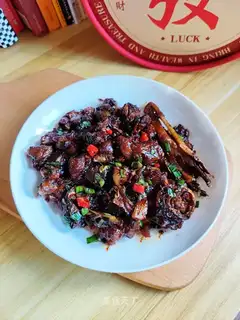
Garlic, renowned for its pungent aroma and distinctive flavor, has been a staple in global cuisine and traditional medicine for millennia. While its bulbs often steal the spotlight, the tender, vibrant green tops known as garlic greens—commonly referred to as scapes (the flower stalks of hardneck garlic) or garlic shoots (the young leaves of softneck garlic)—are equally remarkable. These overlooked greens, often mistaken for green onions or chives, offer a unique blend of nutritional, culinary, and therapeutic value. Rich in vitamins, minerals, antioxidants, and bioactive compounds, garlic greens are a low-calorie, high-nutrient ingredient that can enhance both health and flavor. This article explores the nutritional profile, health benefits, culinary applications, and important precautions associated with garlic greens, shedding light on why they deserve a place in every kitchen.
Nutritional Profile of Garlic Greens
Garlic greens are a nutritional powerhouse, packing a concentrated dose of essential nutrients in a low-calorie package. A 100-gram serving of raw garlic greens contains approximately 32 calories, 2.5 grams of protein, 0.5 grams of fat, and 7 grams of carbohydrates, including 3 grams of dietary fiber—making them an excellent choice for weight management and digestive health.
Vitamins and Minerals:
Garlic greens are exceptionally rich in vitamins, particularly vitamin K, which plays a critical role in blood clotting, bone metabolism, and cardiovascular health. A single serving provides over 100% of the recommended daily intake (RDI) of vitamin K. They are also a good source of vitamin C, a potent antioxidant that supports immune function, skin health, and collagen synthesis, contributing about 20% of the RDI per serving. Additionally, garlic greens contain significant amounts of vitamin A (as beta-carotene), which is essential for vision, immune function, and cell growth, as well as folate (vitamin B9), important for DNA synthesis and fetal development during pregnancy.
In terms of minerals, garlic greens are notable for their manganese content, a trace mineral that acts as a cofactor for enzymes involved in antioxidant defense, metabolism, and bone formation. They also provide smaller but meaningful amounts of iron, calcium, potassium, and magnesium, all of which are vital for maintaining healthy blood pressure, muscle function, and electrolyte balance.
Bioactive Compounds:
What truly sets garlic greens apart is their concentration of bioactive compounds, most notably allicin—the same sulfur-containing compound responsible for garlic’s pungent odor and many of its health benefits. Allicin is formed when garlic tissues are crushed or chopped, triggering a reaction between alliin (an amino acid) and the enzyme alliinase. Studies suggest allicin possesses potent antimicrobial, anti-inflammatory, and cardioprotective properties.
Garlic greens also contain organosulfur compounds (e.g., diallyl sulfide, S-allyl cysteine) and flavonoids (e.g., quercetin), which contribute to their antioxidant and anti-inflammatory effects. These compounds help neutralize harmful free radicals, reduce oxidative stress, and modulate inflammatory pathways in the body. Compared to garlic bulbs, garlic greens may have a higher concentration of certain antioxidants, such as quercetin, making them a valuable addition to a disease-preventive diet.
Health Benefits of Garlic Greens
The combination of vitamins, minerals, and bioactive compounds in garlic greens confers a wide range of health benefits, from boosting immunity to supporting heart health.
1. Immune System Support
Garlic greens are a natural immunity booster, thanks to their high content of vitamin C, vitamin A, and allicin. Vitamin C enhances the production and function of white blood cells, the body’s primary defense against infections, while vitamin A maintains the integrity of mucosal surfaces (e.g., respiratory and digestive tracts), preventing pathogen entry. Allicin, meanwhile, has been shown to exhibit antimicrobial activity against bacteria, viruses, and fungi, potentially reducing the risk and severity of infections. Regular consumption of garlic greens may help ward off common colds, flu, and other microbial illnesses.
2. Cardiovascular Health
Heart disease remains a leading global cause of death, but dietary choices like garlic greens can play a protective role. The organosulfur compounds in garlic greens help lower blood pressure by inhibiting the angiotensin-converting enzyme (ACE), which constricts blood vessels. They also reduce LDL (“bad”) cholesterol and triglyceride levels while increasing HDL (“good”) cholesterol, improving overall lipid profiles. Additionally, allicin’s anti-inflammatory properties prevent the oxidation of LDL cholesterol, a key step in the development of atherosclerosis (plaque buildup in arteries). Studies suggest that regular consumption of garlic-based foods, including greens, may reduce the risk of heart attack and stroke by up to 30%.
3. Anti-Inflammatory and Antioxidant Effects
Chronic inflammation and oxidative stress are underlying factors in many chronic diseases, including arthritis, diabetes, and cancer. Garlic greens are rich in antioxidants (e.g., vitamin C, quercetin) and sulfur compounds that combat oxidative stress by neutralizing free radicals. Allicin and diallyl sulfide also inhibit pro-inflammatory enzymes (e.g., cyclooxygenase and lipoxygenase), reducing the production of inflammatory molecules like cytokines. This dual action may help alleviate symptoms of inflammatory conditions such as rheumatoid arthritis and protect against age-related cellular damage.
4. Digestive Health
With 3 grams of fiber per 100 grams, garlic greens promote a healthy digestive system. Fiber adds bulk to stool, preventing constipation and supporting regular bowel movements. It also serves as a prebiotic, feeding beneficial gut bacteria (e.g., Lactobacillus and Bifidobacterium) which are essential for gut barrier function, immune regulation, and nutrient absorption. Furthermore, allicin’s antimicrobial properties help balance gut microbiota by inhibiting the growth of harmful pathogens like Clostridium difficile and E. coli, reducing the risk of gastrointestinal infections.
5. Cancer Prevention Potential
Emerging research suggests that garlic greens may play a role in cancer prevention. The organosulfur compounds in garlic greens induce apoptosis (programmed cell death) in cancer cells and inhibit angiogenesis (the formation of new blood vessels that tumors need to grow). For example, diallyl sulfide has been shown to suppress the proliferation of colon, breast, and prostate cancer cells in laboratory studies. Population-based studies also indicate that regular garlic consumption is associated with a lower risk of stomach and colorectal cancers, though more research is needed to confirm these effects specifically for garlic greens.
6. Weight Management
Garlic greens are a low-calorie, nutrient-dense food that can support weight loss and maintenance. Their high fiber content promotes satiety, reducing overall calorie intake by curbing hunger. Additionally, allicin may enhance fat metabolism by increasing the expression of genes involved in fat breakdown and reducing the accumulation of visceral fat (the dangerous fat around abdominal organs). Incorporating garlic greens into meals can add flavor without excessive calories, making them an ideal choice for those looking to lose weight healthily.
Culinary Uses and Flavor Profile
Beyond their health benefits, garlic greens are a versatile culinary ingredient with a milder, more delicate flavor than garlic bulbs. Their taste is often described as a cross between garlic, green onions, and chives, with a subtle sweetness and a hint of pepperiness. This makes them suitable for a wide range of dishes, from raw salads to cooked stews.
Preparation Tips:
- Selecting and Storing: Choose garlic greens that are vibrant green, crisp, and free of yellowing or wilting. Store them in a plastic bag in the refrigerator for up to a week; for longer storage, trim the ends and place them in a glass of water like fresh flowers.
- Preparation: Unlike garlic bulbs, garlic greens do not require peeling. Simply wash them thoroughly and chop them finely or use them whole, depending on the recipe. The tender leaves and stems can be eaten raw or cooked, while thicker parts of the scape may benefit from brief cooking to soften.
Culinary Applications:
- Raw: Add chopped garlic greens to salads, salsas, or dips (e.g., guacamole or hummus) for a fresh, garlicky kick. They can also be used as a garnish for soups, omelets, or grilled dishes, similar to parsley or chives.
- Cooked: Sauté garlic greens with olive oil and garlic as a side dish, or add them to stir-fries, pasta, or fried rice for extra flavor. They work well in soups and stews, where their mild garlic essence infuses the broth. For a twist, blend them into pesto, smoothies, or compound butter for a unique aromatic touch.
- Pickling: Pickled garlic greens make a tangy, crunchy condiment that pairs well with sandwiches, charcuterie boards, or grilled meats.
Pairing Suggestions:
Garlic greens complement a variety of ingredients, including:
- Proteins: Chicken, fish, tofu, and lentils
- Vegetables: Spinach, mushrooms, tomatoes, and bell peppers
- Grains: Rice, quinoa, and pasta
- Dairy: Cheese, yogurt, and butter
- Herbs and Spices: Lemon, basil, thyme, and red pepper flakes
Precautions and Potential Side Effects
While garlic greens are generally safe for most people when consumed in moderation, there are a few important precautions to keep in mind:
1. Blood-Thinning Effects
Garlic greens contain allicin and other compounds that have natural anticoagulant (blood-thinning) properties. Individuals taking blood-thinning medications (e.g., warfarin, aspirin, or clopidogrel) should consume garlic greens in moderation to avoid an increased risk of bleeding. Those scheduled for surgery should stop eating garlic greens at least 1–2 weeks prior to the procedure to prevent complications.
2. Digestive Discomfort
In large quantities, garlic greens may cause digestive issues such as bloating, gas, or diarrhea due to their high fiber and sulfur content. People with irritable bowel syndrome (IBS) or sensitive stomachs should start with small servings and monitor their tolerance. Cooking garlic greens can help reduce their pungency and make them easier to digest.
3. Allergic Reactions
Though rare, some individuals may be allergic to garlic or other Allium vegetables (e.g., onions, leeks). Symptoms of an allergic reaction can include skin rash, hives, itching, swelling, or difficulty breathing. Anyone with a known garlic allergy should avoid garlic greens entirely.
4. Interaction with Medications
In addition to blood thinners, garlic greens may interact with certain medications, including:
- Hypertension drugs: Their blood-lowering effects may enhance the impact of antihypertensive medications, leading to low blood pressure (hypotension).
- Diabetes medications: Garlic greens may lower blood sugar levels, so individuals taking insulin or other diabetes drugs should monitor their blood sugar closely to avoid hypoglycemia.
5. Pregnancy and Breastfeeding
Pregnant and breastfeeding women can safely consume garlic greens in moderation as part of a balanced diet. However, excessive intake should be avoided, as high doses of garlic supplements (not the greens themselves) have been linked to potential bleeding risks during delivery. It is always advisable to consult a healthcare provider before making significant dietary changes during pregnancy or breastfeeding.
Conclusion
Garlic greens are a nutritional and culinary gem that has long been overshadowed by their more famous bulb counterpart. Packed with vitamins, minerals, and bioactive compounds like allicin, they offer a host of health benefits, from boosting immunity and supporting heart health to reducing inflammation and aiding digestion. Their mild, versatile flavor makes them a valuable addition to a wide range of dishes, while their low-calorie profile makes them ideal for weight management.
However, as with any food, moderation is key. Individuals taking blood-thinning medications or those with sensitive stomachs should exercise caution, and allergic reactions, though rare, should not be overlooked. By incorporating garlic greens into a balanced diet, individuals can enhance both their meals and their well-being, unlocking the full potential of this humble yet powerful green.
In a world where superfoods are often exotic and expensive, garlic greens remind us that some of the most nutritious ingredients are hiding in plain sight—waiting to be discovered, savored, and celebrated for the unique blend of flavor and health they bring to our tables.