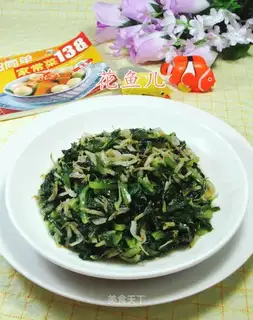
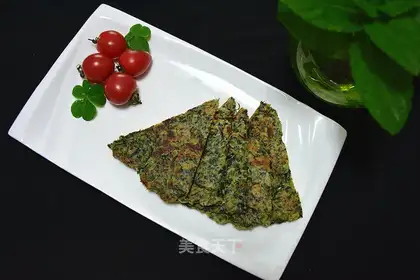
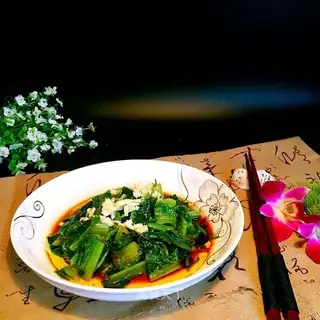
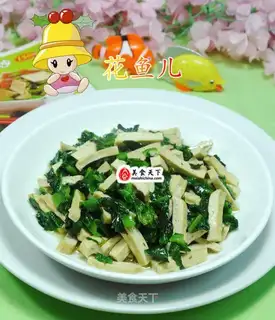
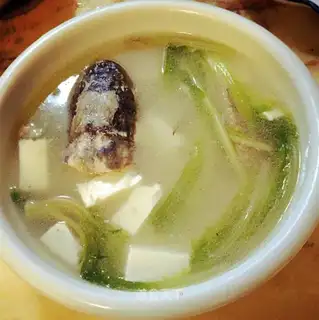
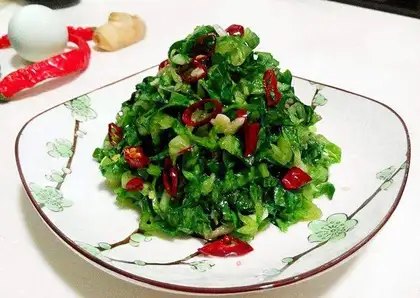
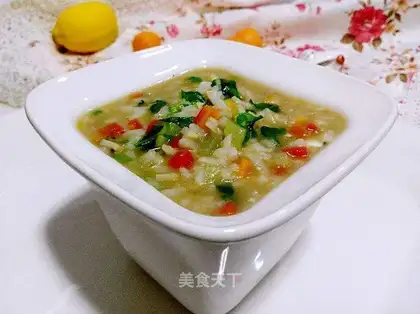
It's common food on the winter and spring table, but it's usually only roots, always leaves, which are more nutritious than the troughs. Vitamins, carrots, etc., are higher in the lobes than in the troughs, and are more resistant to oxidation. In addition, the leaves contain a large amount of calcium, and it would be a pity if they were not eaten. I'll make a box today with a leaf instead of a pickle, and I'll taste it nicely, and I'll lower the heat and have a bowl of rice congee
IT'S BEEN A LONG TIME SINCE SHE ATE HER MOTHER'S LEAF, AND TODAY IT'S A HUNDRED DEGREES HIGHER THAN HER NUTRITIONAL VALUE... IT'S RICH IN NUTRIENTS, ESPECIALLY IN LEAVES. THE GROWTH AND DEVELOPMENT OF CHILDREN IS GREATLY ENHANCED BY INCREASED CONSUMPTION OF CURDS, WHICH CAN MEET THE DEMAND FOR CARROTS BY 200 GRAMS PER DAY AND 500 GRAMS OF CURDS TO MEET VITAMIN C. IT IS ALSO RICH IN PHOSPHORUS AND CALCIUM, WHICH CAN BE BENEFICIAL FOR THE NORMAL DEVELOPMENT OF THE BONES, FOR THE PREVENTION OF OSTEOPOROSIS AND FOR THE NORMAL LENGTH OF TEETH. HAIR LEAVES HAVE SOME EFFECT ON HEART DISEASE, KIDNEY DISEASE, NERVOUS BREAKDOWN, HYPERTENSION, ETC. FREQUENTLY EATING OSCILLATES FACILITATES VASCULAR TENSION, IMPROVES MYOCARDIAL CONTRACTION, ENHANCES URINE, ETC. IN ORDER TO REDUCE THE LOSS OF NUTRIENTS, IT IS BEST TO CLEAN UP AND MIX THE FOOD WHEN EATING THE SAP; EVEN IF IT IS COOKED OR FRIED, IT IS BETTER TO COOK LESS AND MAKE LESS。