The lotus (Nelumbo nucifera), an iconic symbol of purity and resilience in Asian cultures, has been revered for centuries not only for its aesthetic beauty but also for its remarkable medicinal and culinary properties. Among its various parts, the lotus leaf stands out as a nutritional powerhouse, offering a unique blend of bioactive compounds that support health in diverse ways. From traditional medicine to modern wellness trends, lotus leaves have transitioned from a niche herbal remedy to a globally recognized superfood. This article explores the nutritional profile of lotus leaves, their evidence-based health benefits, and important precautions to ensure safe consumption.
Nutritional Value of Lotus Leaves
Lotus leaves are a rich source of bioactive compounds, including alkaloids, flavonoids, polyphenols, polysaccharides, and vitamins, which contribute to their therapeutic potential. While they are not typically consumed as a primary vegetable, their nutritional and phytochemical composition makes them a valuable functional food.
1. Bioactive Compounds
The most notable constituents of lotus leaves are flavonoids, such as quercetin, kaempferol, and catechins, which possess potent antioxidant and anti-inflammatory properties. These compounds help neutralize free radicals, reducing oxidative stress linked to chronic diseases. Alkaloids, notably nuciferine and liensinine, regulate neurotransmitter activity and lipid metabolism, making them subjects of extensive research for metabolic health.
Polysaccharides in lotus leaves exhibit immunomodulatory effects, enhancing the body’s defense mechanisms. Additionally, leaves contain triterpenoids, which have demonstrated hepatoprotective (liver-protective) and anti-diabetic properties in preclinical studies.
2. Macronutrients and Micronutrients
While low in calories (approximately 20 kcal per 100g), lotus leaves provide dietary fiber, which aids digestion and promotes gut health. They also contain small amounts of protein, vitamins (such as vitamin C, B vitamins, and beta-carotene), and minerals (including potassium, calcium, magnesium, and iron). However, their primary value lies not in macronutrients but in their concentrated phytochemicals.
3. Traditional Nutritional Uses
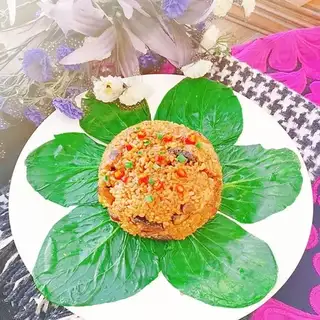
In traditional Asian cuisine, lotus leaves are often used as natural wrappings for food (e.g., zongzi, a sticky rice dumpling), infusing dishes with a subtle earthy aroma while imparting health benefits. When dried and steeped in hot water, they form a nutrient-rich tea, a popular beverage in countries like China, Japan, and Thailand.
Health Benefits of Lotus Leaves
The therapeutic potential of lotus leaves is supported by both traditional practices and modern scientific research. Their bioactive compounds target multiple body systems, offering benefits for weight management, metabolic health, inflammation, and more.
1. Weight Management and Obesity Control
One of the most well-documented benefits of lotus leaves is their role in weight loss. Nuciferine, a key alkaloid, suppresses fat accumulation by inhibiting lipogenic (fat-producing) enzymes and enhancing lipid metabolism. Studies show that lotus leaf extract reduces body weight, BMI, and waist circumference in overweight individuals by modulating gut hormones and increasing fat oxidation. A 2020 meta-analysis published in Phytotherapy Research confirmed that supplementation with lotus leaf extract significantly reduced body weight and visceral fat compared to placebo.
2. Regulation of Blood Lipids and Blood Sugar
Lotus leaves are celebrated for their anti-diabetic and lipid-lowering effects. Flavonoids like quercetin improve insulin sensitivity, helping regulate blood sugar levels by enhancing glucose uptake in cells. For individuals with hyperlipidemia (high cholesterol), nuciferine reduces LDL (“bad”) cholesterol and triglycerides while increasing HDL (“good”) cholesterol, thereby lowering the risk of atherosclerosis. Animal studies have also demonstrated that lotus leaf extract protects pancreatic beta-cells, which are critical for insulin production.
3. Anti-inflammatory and Antioxidant Properties
Chronic inflammation and oxidative stress are underlying factors in many diseases, including cancer, diabetes, and neurodegenerative disorders. The polyphenols and flavonoids in lotus leaves scavenge free radicals and inhibit pro-inflammatory cytokines (such as TNF-α and IL-6). Research suggests that lotus leaf extract may alleviate symptoms of inflammatory conditions like arthritis and protect against oxidative damage to organs like the liver and kidneys.
4. Liver and Gastrointestinal Health
Lotus leaves have long been used in traditional medicine to detoxify the liver and improve digestion. Triterpenoids in the leaves stimulate bile secretion, aiding in fat digestion and toxin elimination. Studies in mice with liver injury show that lotus leaf extract reduces liver enzymes (ALT and AST) and decreases lipid peroxidation, indicating hepatoprotective effects. Additionally, the fiber content promotes bowel regularity, while alkaloids soothe gastric inflammation, making it beneficial for individuals with gastritis or indigestion.
5. Neuroprotective and Mood-Regulating Effects
Emerging research highlights lotus leaves’ potential for brain health. Nuciferine modulates dopamine and serotonin receptors, which may help alleviate symptoms of depression and anxiety. In animal models, lotus leaf extract improved cognitive function and reduced neuronal damage caused by oxidative stress, suggesting a role in preventing neurodegenerative diseases like Alzheimer’s.
6. Antimicrobial and Skin Benefits
The flavonoids and alkaloids in lotus leaves exhibit broad-spectrum antimicrobial activity against bacteria (e.g., Staphylococcus aureus) and fungi (e.g., Candida albicans). This property makes lotus leaf extract a natural ingredient in skincare products, where it helps combat acne, reduce inflammation, and promote wound healing. Topical application of lotus leaf-infused creams has been shown to improve skin elasticity and hyperpigmentation.
Precautions and Potential Side Effects
While lotus leaves offer numerous health benefits, they are not without risks. Safe consumption requires awareness of potential side effects, interactions, and contraindications.
1. Pregnancy and Breastfeeding
Pregnant and breastfeeding women should avoid lotus leaf products due to their uterine-stimulating effects. Nuciferine and other alkaloids may trigger uterine contractions, increasing the risk of miscarriage or preterm labor. Limited research on lactation safety further warrants caution.
2. Blood Sugar and Blood Pressure Medications
Lotus leaves can enhance the effects of anti-diabetic and antihypertensive medications, potentially causing hypoglycemia (low blood sugar) or hypotension (low blood pressure). Individuals taking insulin, metformin, or blood pressure-lowering drugs should consult a healthcare provider before using lotus leaf supplements.
3. Bleeding Disorders
Lotus leaves have mild anticoagulant properties, which may increase the risk of bleeding in people with bleeding disorders or those taking blood-thinning medications (e.g., warfarin, aspirin). Caution is advised before surgery or dental procedures.
4. Gastrointestinal Discomfort
High doses of lotus leaves may cause digestive issues such as nausea, diarrhea, or stomach cramps, particularly in sensitive individuals. Starting with small quantities and gradually increasing intake can minimize these effects.
5. Allergic Reactions
Though rare, allergic reactions to lotus leaves may occur in individuals sensitive to plants in the Nelumbonaceae family. Symptoms include rash, itching, or difficulty breathing. Discontinue use and seek medical attention if adverse reactions occur.
6. Quality and Purity
When purchasing lotus leaf products (tea, capsules, or extracts), ensure they are sourced from reputable suppliers to avoid contamination with heavy metals, pesticides, or adulterants. Organic certification is a good indicator of quality.
Conclusion
Lotus leaves are a treasure trove of nutrition and bioactive compounds, offering evidence-based benefits for weight management, metabolic health, inflammation, and more. Their versatility in culinary and medicinal applications—from detox teas to herbal supplements—has cemented their place in global wellness trends. However, like all natural remedies, they must be used mindfully. Pregnant women, individuals on medications, and those with underlying health conditions should consult healthcare professionals before incorporating lotus leaves into their diets.
As scientific research continues to uncover the full potential of this ancient herb, lotus leaves are poised to remain a cornerstone of holistic health. By balancing their traditional wisdom with modern safety standards, we can harness their benefits while minimizing risks, ensuring that this "lotus of wellness" continues to thrive in both tradition and innovation.