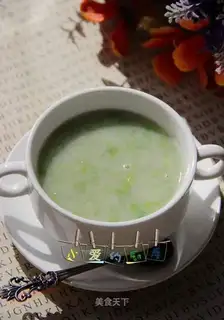
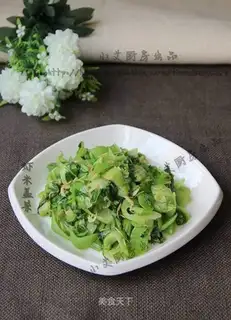
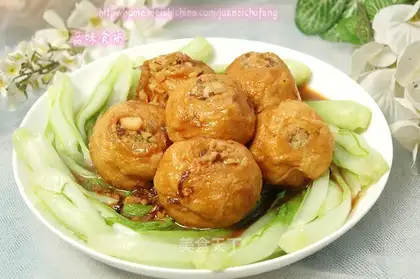
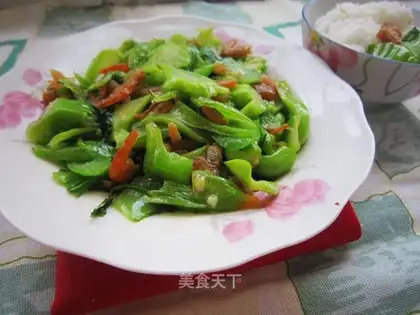
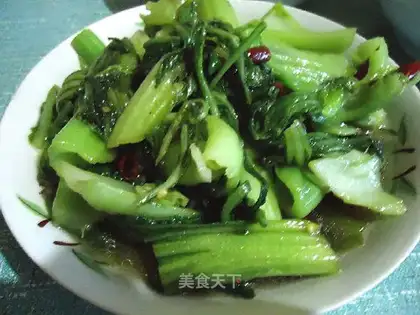
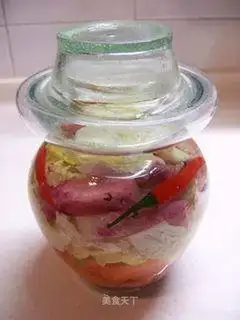
In the diverse world of leafy green vegetables, Gai Cai (芥菜), also known as mustard cabbage or Indian mustard, stands out as a nutrient-dense and versatile ingredient widely used in Asian cuisine. With its distinctive peppery flavor, crisp texture, and rich profile of vitamins, minerals, and bioactive compounds, Gai Cai has been celebrated for both its culinary appeal and medicinal properties for centuries. This article explores the nutritional value of Gai Cai, its health benefits, and important precautions to consider when incorporating it into a balanced diet.
I. Nutritional Value of Gai Cai
Gai Cai belongs to the Brassicaceae family, which also includes broccoli, kale, and cabbage. It is available in various varieties, such as leafy Gai Cai (used for stir-fries or soups) and root Gai Cai (like turnips, which are large and bulbous), all of which pack a impressive nutritional punch. A 100-gram serving of raw leafy Gai Cai contains approximately:
- Vitamins:
- Vitamin K: 530% of the Daily Value (DV) – Essential for blood clotting and bone metabolism.
- Vitamin C: 120% of DV – A powerful antioxidant that supports immune function and skin health.
- Vitamin A: 100% of DV (as beta-carotene) – Critical for vision, immune health, and cell growth.
- Folate: 10% of DV – Important for DNA synthesis and fetal development.
- Minerals:
- Calcium: 15% of DV – Supports bone and teeth health.
- Potassium: 8% of DV – Regulates fluid balance and blood pressure.
- Iron: 8% of DV – Vital for oxygen transport and energy production.
- Bioactive Compounds:
- Glucosinolates: sulfur-containing compounds responsible for Gai Cai’s pungent taste, which break down into isothiocyanates (ITCs) with anti-inflammatory and anticancer properties.
- Dietary Fiber: 3 grams per 100 grams – Promotes digestive health and satiety.
- Antioxidants: Including flavonoids and phenolic acids, which combat oxidative stress.
- Low in Calories: With only 27 calories per 100 grams, Gai Cai is an excellent choice for weight management.
This nutritional profile makes Gai Cai a valuable addition to a healthy diet, offering a wide range of essential nutrients and phytochemicals that support overall well-being.
II. Health Benefits of Gai Cai
The combination of vitamins, minerals, and bioactive compounds in Gai Cai contributes to numerous health benefits, backed by scientific research and traditional medicine practices.
1. Supports Immune Function
Gai Cai is rich in vitamin C, a well-known immune booster. Vitamin C stimulates the production and function of white blood cells, which are the body’s primary defense against pathogens. Additionally, its antioxidant content helps protect immune cells from damage caused by free radicals, enhancing the body’s ability to fight infections.
2. Promotes Digestive Health
The high fiber content in Gai Cai aids digestion by adding bulk to stool and promoting regular bowel movements, preventing constipation. Moreover, glucosinolates and their breakdown products, such as sulforaphane, have been shown to support gut health by modulating the gut microbiome and reducing inflammation in the digestive tract.
3. Anti-Cancer Properties
Isothiocyanates (ITCs) derived from glucosinolates in Gai Cai have been extensively studied for their anticancer potential. These compounds neutralize carcinogens, inhibit the growth of cancer cells, and induce apoptosis (programmed cell death) in various types of cancer, including lung, breast, and colon cancer. For example, sulforaphane, a prominent ITC in Gai Cai, activates detoxification enzymes and reduces oxidative stress, lowering the risk of cancer development.
4. Enhances Bone Health
Gai Cai is an excellent source of vitamin K, which plays a crucial role in bone metabolism. Vitamin K activates osteocalcin, a protein that binds calcium to bones, thereby improving bone density and reducing the risk of fractures. Additionally, its calcium content further supports bone structure, making it beneficial for individuals at risk of osteoporosis.
5. Regulates Blood Pressure
Potassium, a key mineral in Gai Cai, helps counteract the effects of sodium by relaxing blood vessels and reducing fluid retention. This, in turn, lowers blood pressure and decreases the risk of cardiovascular diseases. The fiber in Gai Cai also contributes to heart health by lowering LDL (bad) cholesterol levels.
6. Anti-Inflammatory and Antioxidant Effects
Chronic inflammation and oxidative stress are underlying factors in many chronic diseases, including diabetes, arthritis, and neurodegenerative disorders. Gai Cai’s abundance of antioxidants, such as vitamin C, flavonoids, and sulforaphane, neutralizes free radicals and reduces inflammation, protecting cells from damage.
7. Supports Weight Management
With its low calorie and high fiber content, Gai Cai is an ideal food for weight loss. Fiber promotes satiety, reducing overall calorie intake, while its nutrient density ensures that the body receives essential vitamins and minerals even on a restricted diet.
III. Precautions and Potential Side Effects
While Gai Cai offers numerous health benefits, it is important to consume it in moderation and be aware of potential risks, especially for certain individuals.
1. Goitrogenic Effects
Gai Cai contains goitrogens, compounds that can interfere with thyroid function by inhibiting the uptake of iodine, a mineral essential for thyroid hormone production. Individuals with thyroid disorders, such as hypothyroidism, should consume Gai Cai cooked rather than raw, as cooking reduces goitrogen content. Additionally, maintaining adequate iodine intake (e.g., through iodized salt or seafood) can mitigate this risk.
2. Oxalate Content
Gai Cai contains oxalates, naturally occurring compounds that can form kidney stones in susceptible individuals. People with a history of kidney stones should limit their intake of high-oxalate vegetables like Gai Cai and ensure adequate hydration to reduce oxalate absorption.
3. Blood Thinning Effects
Due to its high vitamin K content, Gai Cai can enhance blood clotting. Individuals taking anticoagulant medications, such as warfarin, should maintain consistent vitamin K intake to avoid drug interactions. Sudden increases in Gai Cai consumption may reduce the effectiveness of blood thinners.
4. Digestive Discomfort
While fiber is beneficial for digestion, excessive consumption of Gai Cai may cause bloating, gas, or diarrhea, especially in individuals with sensitive digestive systems. Gradually increasing intake and cooking Gai Cai (e.g., steaming or stir-frying) can help minimize these effects.
5. Pesticide Residues
As with leafy greens, Gai Cai may contain pesticide residues if not grown organically. To reduce exposure, wash Gai Cai thoroughly under running water or soak it in a solution of water and vinegar for 15 minutes before consumption. Opting for organic varieties is also a safer choice.
IV. Culinary Uses and Tips for Incorporation
Gai Cai’s versatility makes it easy to incorporate into a variety of dishes. Here are some popular culinary uses:
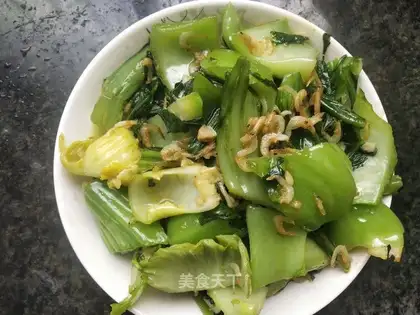
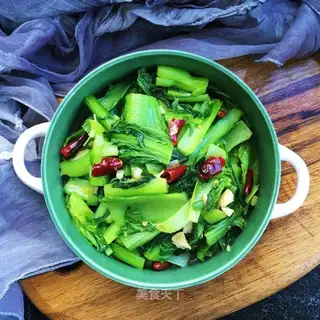
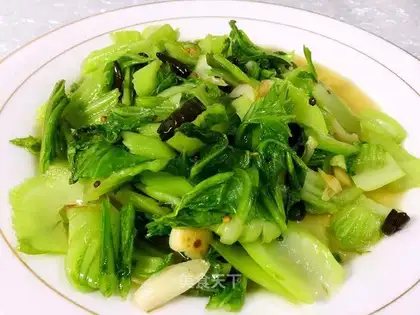
- Stir-fries: Combine Gai Cai with garlic, ginger, and protein (e.g., tofu or chicken) for a quick and nutritious meal.
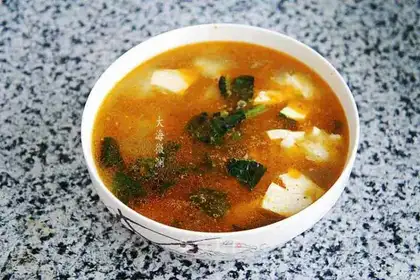
- Soups and Stews: Add Gai Cai to miso soup, bone broth, or hot pot to enhance flavor and nutrient content.
- Pickling: Fermented Gai Cai (e.g., Sichuan pickled mustard) is a probiotic-rich condiment that aids digestion.
- Salads: Young, tender Gai Cai leaves can be used in salads, though blanching can reduce bitterness.
- Smoothies: Blend a small amount of raw Gai Cai into green smoothies for an extra nutrient boost.
To maximize its health benefits, prefer lightly cooked methods over boiling, as excessive heat can degrade heat-sensitive vitamins like vitamin C. Steaming or stir-frying preserves most nutrients while enhancing digestibility.
V. Conclusion
Gai Cai is a nutritional powerhouse that offers a wealth of health benefits, from immune support and cancer prevention to improved bone health and weight management. Its rich profile of vitamins, minerals, and bioactive compounds makes it a valuable addition to a balanced diet. However, individuals with thyroid issues, kidney problems, or those on blood-thinning medications should consume it with caution and consult a healthcare provider if needed. By understanding its nutritional value, benefits, and precautions, one can harness the full potential of Gai Cai to enhance overall health and well-being. Whether enjoyed in a stir-fry, soup, or pickled form, Gai Cai is a delicious and nutritious vegetable that deserves a place in every kitchen.