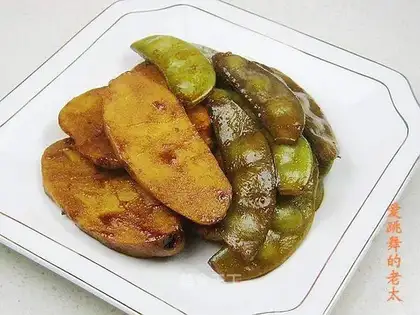
Xiangsha taro<br /> Xiangsha taro is an excellent local variety among the multi-seed taro, mainly distributed in Jingjiang, Haimen, Qidong and other places in Jiangsu Province. <br />The main characteristics of this variety are high amylopectin content, rich nutrients, good taste, and a unique aroma. <br /><br />Xiangsha taro is delicate in texture, rich in nutrients, dry, fragrant and delicious, easy to crispy but not rotten. Taro can be made into taro flour noodles, taro steamed buns, snacks, etc. The methods of using taro are more diverse, including sweet and sour, stir-fried, boiling soup, braising, etc. <br /><br />Boiled with vegetables to flavor and enhance freshness; braised with chicken, pork and mutton to be fragrant but not greasy; boiled with chicken, pork and mutton white to have a unique flavor. Taro has high nutritional value and contains essential vitamins and mineral nutrients. <br />Qidong Xiangsha taro is famous all over the world for its excellent quality. It has a long reputation in the vegetable market and is very popular among consumers.
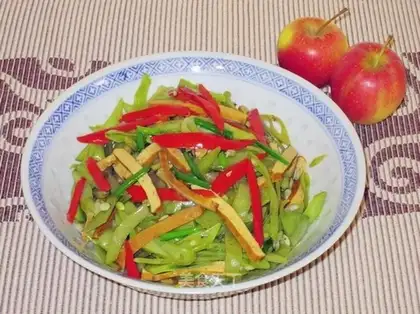
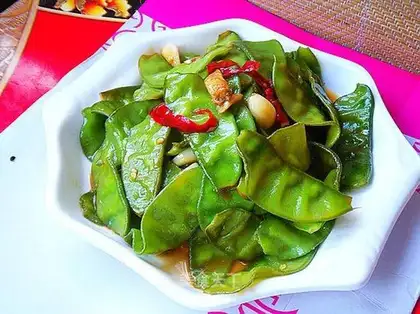
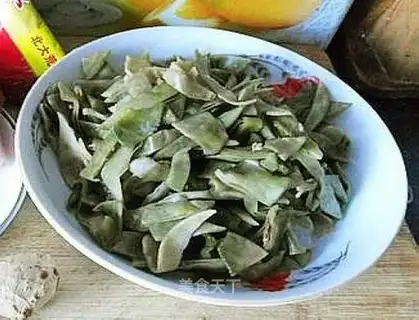
Ingredients: salt,lentils,MSG,white sugar,cooking wine,soy sauce,onion,Jiang,garlic,red pepper,starch,vinegar,oil
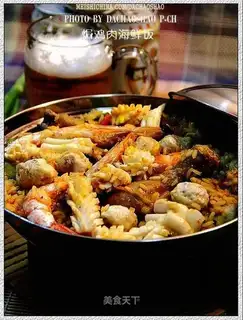
Paella is a specialty of Spain and Italy and is representative. This delicious food is delicious and not complicated to make. It is similar to China's braised rice, except that it is different in the operating methods, materials and condiments. As long as you can understand a little about its making process, you can make authentic paella at home. <br />There are several types of paella, including paella made of pure seafood, paella made of fungi and vegetables, paella made of cuttlefish sauce, chicken paella, etc. Each has its own characteristics and tastes very delicious. <br />"Crocus" is an important condiment in making paella, also known as "saffron". It was originally an imported product. It was introduced from Europe to the Middle East more than a thousand years ago, then from the Middle East to India, and later from India to China. Saffron, formerly known as crocus or crocus, grows in plateau areas above 3,000 meters above sea level. The climate and humidity must be appropriate. The flowers are blue or colorful, and the so-called saffron is just the stamen part. Because the picking comes from the stamen part, the yield will naturally be low, and the price will become expensive! <br />Saffron is regarded as a precious medicinal material in China, while in Spain and Italy it is regarded as a seasoning and used to make rice noodles or soups. At present, the country with the highest production of saffron is not China but Iran. Buying it there is equivalent to RMB 20 per gram. In China, it costs more than 80 yuan. The longer the stamens, the more expensive the price. <br />You only need to use very little saffron to make paella. Generally, 500 grams of rice are used to make paella, and only 0.5 grams of saffron is enough.