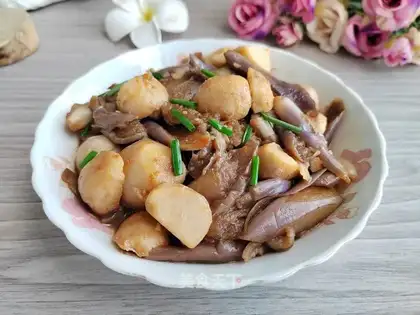
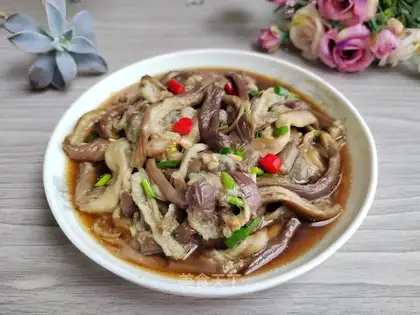
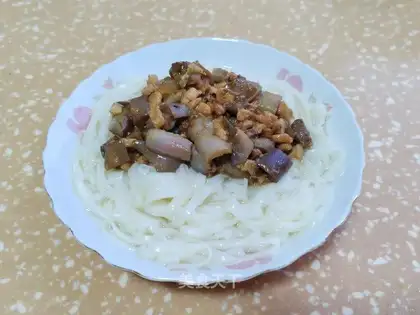
Eggplant, scientifically known as Solanum melongena, is a versatile and widely consumed vegetable celebrated for its glossy, purple skin, spongy texture, and ability to absorb flavors in cooking. While often overshadowed by more nutritionally “trendy” vegetables like kale or spinach, egg—particularly its most common variety, the purple eggplant—boasts a rich profile of vitamins, minerals, antioxidants, and bioactive compounds. With origins tracing back to ancient South Asia and its spread across the globe via trade routes, eggplant has long been a staple in cuisines from Mediterranean ratatouille to Indian baingan bharta. Beyond its culinary flexibility, this “purple powerhouse” offers a range of health benefits, though it also carries unique considerations for consumption. This article delves into the nutritional value of purple eggplant, its evidence-based health benefits, and important precautions to maximize its safety and efficacy.
I. Nutritional Value of Purple Eggplant
Purple eggplant is a low-calorie, nutrient-dense food that provides a wealth of essential vitamins, minerals, and phytochemicals while being naturally low in fat and sodium. A 100-gram serving of raw purple eggplant (approximately one small eggplant) contains just 25 calories, making it an excellent choice for weight management diets. Its macronutrient profile is equally impressive: it offers 1.8 grams of fiber, 0.8 grams of protein, and virtually no fat or cholesterol. The majority of its carbohydrates come from dietary fiber, which supports digestive health, and small amounts of natural sugars, such as fructose and glucose.
The vegetable’s true nutritional strength lies in its micronutrient and phytochemical content. Purple eggplant is a rich source of vitamin K, which plays a critical role in blood clotting and bone metabolism, with 100 grams providing about 3.5 micrograms (mcg), or roughly 3% of the daily recommended intake (DRI). It also contains significant amounts of vitamin B6 (0.1 mg, 6% DRI), essential for brain function and red blood cell production, and folate (22 mcg, 5% DRI), which supports DNA synthesis and cell division.
Mineral-wise, eggplant contributes small but notable amounts of potassium (229 mg, 5% DRI), an electrolyte vital for regulating blood pressure and fluid balance, and manganese (0.2 mg, 10% DRI), a mineral that supports bone health and antioxidant enzyme function. It also provides trace amounts of magnesium, phosphorus, and copper.
However, the most distinctive feature of purple eggplant is its anthocyanin content. The deep purple hue of its skin is due to high concentrations of anthocyanins—a class of flavonoid antioxidants with potent anti-inflammatory and free radical-scavenging properties. Among these, nasunin stands out: a unique anthocyanin found almost exclusively in eggplant skin, nasunin has been studied for its ability to protect cell membranes from oxidative damage and chelate (bind) excess iron, reducing the risk of iron-induced oxidative stress.
II. Health Benefits of Purple Eggplant
The combination of fiber, vitamins, minerals, and antioxidants in purple eggplant translates to a range of evidence-based health benefits, from chronic disease prevention to digestive support.
1. Rich in Antioxidants, Combating Oxidative Stress
Oxidative stress—an imbalance between free radicals and antioxidants in the body—is a key driver of aging and chronic diseases, including cancer, cardiovascular disease, and neurodegenerative disorders. Purple eggplant’s anthocyanins, particularly nasunin, are powerful antioxidants that neutralize harmful free radicals. A 2000 study published in The Journal of Agricultural and Food Chemistry found that nasunin could protect brain cell membranes from lipid peroxidation (a process where free radicals damage fats in cell membranes), potentially reducing the risk of age-related cognitive decline. Additionally, eggplant contains other antioxidants like chlorogenic acid, a phenolic compound linked to reduced inflammation and improved blood sugar regulation.
2. Supports Heart Health
Cardiovascular disease remains a leading global cause of death, and dietary choices play a critical role in prevention. Purple eggplant contributes to heart health through multiple mechanisms. Its high fiber content helps lower LDL (“bad”) cholesterol by binding to bile acids in the digestive tract, promoting their excretion and reducing the body’s need to produce new cholesterol. A 2013 study in Nutrition Research found that participants who consumed eggplant powder daily experienced significant reductions in LDL cholesterol and blood pressure.
The potassium in eggplant further supports heart health by counteracting the effects of sodium, relaxing blood vessel walls, and improving blood flow. Anthocyanins also enhance endothelial function (the ability of blood vessels to dilate), which reduces arterial stiffness and lowers the risk of hypertension.
3. Aids in Weight Management and Blood Sugar Control
For individuals managing obesity or type 2 diabetes, purple eggplant is a valuable dietary addition. With just 25 calories per 100 grams and high fiber content, it promotes satiety (feelings of fullness), reducing overall calorie intake. Fiber slows digestion, preventing rapid spikes in blood sugar after meals—a key benefit for diabetics.
A 2019 study in Phytotherapy Research investigated the effects of eggplant extract on blood sugar levels in diabetic rats. Results showed that the extract significantly reduced fasting blood sugar and improved insulin sensitivity, likely due to its content of polyphenols like chlorogenic acid. While human studies are needed, these findings suggest eggplant may complement diabetes management when included as part of a balanced diet.
4. Promotes Digestive Health
The fiber in eggplant, both soluble and insoluble, is essential for a healthy digestive system. Soluble fiber forms a gel-like substance in the gut, which softens stool and regulates bowel movements, preventing constipation. Insoluble fiber adds bulk to stool, speeding up transit time and reducing the risk of diverticulitis (inflammation of the colon wall).
Moreover, eggplant’s prebiotic fiber feeds beneficial gut bacteria, such as Bifidobacterium and Lactobacillus, which support a healthy gut microbiome. A balanced microbiome is linked to improved immune function, reduced inflammation, and even better mental health—a concept known as the “gut-brain axis.”
5. Potential Anti-Cancer Properties
While no food can “cure” cancer, eggplant’s phytochemicals may help reduce cancer risk by inhibiting tumor growth and metastasis. Nasunin, in particular, has been studied for its ability to block the signaling pathways that promote cancer cell proliferation. A 2015 review in Oxidative Medicine and Cellular Longevity noted that anthocyanins could induce apoptosis (programmed cell death) in cancer cells and inhibit angiogenesis (the formation of new blood vessels that feed tumors).
Chlorogenic acid, another abundant compound in eggplant, has also shown anti-cancer effects in vitro. It reduces DNA damage caused by carcinogens and inhibits the activity of enzymes that activate pro-carcinogens in the body. While more human clinical trials are required, these findings highlight eggplant’s potential as a cancer-fighting food.
III. Precautions and Potential Side Effects
Despite its many benefits, purple eggplant is not without precautions. For most people, it is a safe and healthy food, but certain individuals should be cautious or consume it in moderation.
1. Solanine Content and Nightshade Sensitivity
Eggplant belongs to the Solanaceae family, commonly known as nightshades, which also includes tomatoes, potatoes, and bell peppers. Nightshades contain solanine, a glycoalkaloid compound that acts as a natural pesticide for the plant. While solanine levels in ripe eggplant are low, unripe or improperly stored eggplant may contain higher concentrations, which can be toxic. Symptoms of solanine poisoning include nausea, vomiting, abdominal pain, and headache. To minimize risk, always choose ripe eggplant (firm, glossy skin with no soft spots) and avoid eating the leaves or stems, where solanine is most concentrated.
Some individuals also report sensitivity to nightshades, experiencing joint pain, inflammation, or digestive issues after consumption. For those with autoimmune conditions like rheumatoid arthritis, a low-nightshade diet may be recommended, but this should be done under the guidance of a healthcare provider.
2. Oxalates and Kidney Stone Risk
Eggplant contains oxalates, naturally occurring compounds that can bind to calcium and form oxalate kidney stones in susceptible individuals. While moderate eggplant consumption is unlikely to cause problems for most people, those with a history of calcium oxalate kidney stones should limit their intake and ensure adequate hydration to reduce oxalate concentration in urine.
3. Pesticide Residues
Like many non-organic vegetables, eggplant may be treated with pesticides that can leave residues on its skin. To minimize exposure, wash eggplant thoroughly under running water or peel it (though peeling removes some nutrients, including anthocyanins). Choosing organic eggplant can further reduce pesticide exposure, though it is not always necessary if proper cleaning is done.
4. Absorption of Iron
While nasunin’s ability to chelate iron is beneficial for reducing oxidative stress in individuals with excess iron (e.g., those with hemochromatosis), it may inhibit the absorption of non-heme iron (the type found in plant foods) in people with iron deficiency. For those with anemia, it is advisable to consume eggplant separately from iron-rich foods (such as spinach or lentils) or pair it with a source of vitamin C (e.g., bell peppers or citrus) to enhance iron absorption.
IV. Conclusion
Purple eggplant is a nutritional powerhouse that offers a unique combination of vitamins, minerals, fiber, and antioxidants, making it a valuable addition to a healthy diet. Its ability to combat oxidative stress, support heart health, aid in weight management, and promote digestive function highlights its role in disease prevention and overall well-being. However, like all foods, it should be consumed mindfully: individuals with nightshade sensitivities, kidney stone history, or iron deficiency should take precautions, and proper preparation (choosing ripe eggplant, washing thoroughly) is key to avoiding potential side effects.
In a world where “superfoods” often come with inflated hype, purple eggplant stands out as a humble yet potent ingredient. From its ancient origins to its modern-day culinary versatility, this purple vegetable continues to prove that good health can be both delicious and accessible. By incorporating purple eggplant into meals—whether roasted, grilled, stewed, or stir-fried—individuals can harness its nutritional benefits while enjoying its rich, satisfying flavor. As with any dietary choice, balance and moderation are key, but for most, the purple eggplant is a true “powerhouse” worth embracing.