Sword beans (Canavalia gladiata), also known as “gladiolus beans” or “broad beans” in some regions, are a versatile legume cherished in cuisines across Asia, Africa, and Latin America. With their striking sword-like pods and creamy, nutty flavor, sword beans are not only a culinary delight but also a nutritional treasure trove. Packed with protein, fiber, vitamins, and minerals, they offer a myriad of health benefits, from boosting heart health to enhancing digestion. However, like many legumes, sword beans require careful preparation to avoid potential risks. This article explores the nutritional profile, health benefits, and essential precautions associated with consuming sword beans, providing a comprehensive guide for incorporating this superfood into a balanced diet.
Nutritional Profile: A Nutrient-Dense Legume
Sword beans stand out among legumes for their impressive nutritional composition, making them a valuable addition to vegetarian, vegan, and omnivorous diets alike. A 100-gram serving of cooked sword beans (without salt) contains approximately:
- Protein: 11 grams, providing all essential amino acids, including lysine and methionine, which are often limited in plant-based diets.
- Dietary Fiber: 8 grams, which supports digestive health and promotes satiety.
- Carbohydrates: 60 grams, including complex carbohydrates that release energy gradually.
- Vitamins: Rich in folate (B9, ~45% of the Daily Value), vitamin C (20% DV), and vitamin A (10% DV). Folate is crucial for DNA synthesis and cell division, while vitamin C acts as an antioxidant and enhances iron absorption.
- Minerals: Excellent sources of manganese (50% DV), magnesium (15% DV), iron (15% DV), and potassium (10% DV). Manganese supports bone health and metabolism, while potassium regulates blood pressure.
- Antioxidants: Contain polyphenols, flavonoids, and saponins, which combat oxidative stress and reduce inflammation.
This nutrient density makes sword beans a cost-effective way to address micronutrient deficiencies, particularly in regions where access to animal products is limited.
Health Benefits: Beyond Basic Nutrition
The consumption of sword beans is linked to several evidence-based health benefits, ranging from chronic disease prevention to improved metabolic function.
1. Supports Heart Health
Sword beans are heart-friendly due to their high fiber and potassium content, which help lower LDL (“bad”) cholesterol and regulate blood pressure. The soluble fiber in sword beans binds to cholesterol in the digestive system, preventing its absorption, while potassium counteracts the effects of sodium, reducing strain on blood vessels. Additionally, the saponins in sword beans have been shown to inhibit lipid peroxidation, a process that contributes to atherosclerosis.
2. Enhances Digestive Health
With 8 grams of fiber per 100-gram serving, sword beans promote regular bowel movements and prevent constipation. The fiber also acts as a prebiotic, nourishing beneficial gut bacteria like Lactobacillus and Bifidobacterium, which are essential for a healthy gut microbiome. A balanced microbiome, in turn, supports immune function and reduces inflammation in the gut lining.
3. Regulates Blood Sugar Levels
Sword beans have a low glycemic index (GI) of ~30, meaning they cause a gradual rise in blood sugar, making them ideal for individuals with diabetes or insulin resistance. The fiber and complex carbohydrates slow down carbohydrate digestion, preventing spikes in blood glucose. Studies suggest that regular legume consumption, including sword beans, can improve insulin sensitivity and reduce the risk of type 2 diabetes by 15–30%.
4. Boosts Immune Function
Sword beans are rich in vitamin C and zinc, both of which are critical for immune health. Vitamin C stimulates the production of white blood cells and acts as an antioxidant, protecting immune cells from damage. Zinc, though present in smaller amounts, plays a key role in immune cell development and communication. Together, these nutrients help the body fight infections and recover from illness.
5. Supports Weight Management
The high fiber and protein content of sword beans promotes satiety, reducing overall calorie intake. Protein also helps preserve muscle mass during weight loss, ensuring that the majority of weight lost comes from fat rather than lean tissue. A 2019 study published in the Journal of the Academy of Nutrition and Dietetics found that individuals who consumed legumes regularly had a lower body mass index (BMI) and reduced abdominal fat compared to those who did not.
6. Promotes Bone Health
Sword beans are an excellent source of manganese, calcium, and vitamin K, all of which are essential for maintaining strong bones. Manganese aids in the formation of bone matrix, while calcium provides structural support. Vitamin K activates osteocalcin, a protein that binds calcium to bones, reducing the risk of fractures and osteoporosis, particularly in postmenopausal women.
Precautions and Potential Risks
While sword beans offer numerous health benefits, improper preparation or consumption can lead to adverse effects. Understanding these risks is crucial to safely enjoy this legume.
1. Toxicity of Raw or Undercooked Sword Beans
Sword beans contain natural toxins, including canavanine and lectins, which are concentrated in the raw beans. Canavanine, an amino acid analog, can disrupt protein synthesis and cause nausea, vomiting, and diarrhea if consumed in large amounts. Lectins, such as concanavalin A, bind to the intestinal lining, impairing nutrient absorption and causing gastrointestinal distress.
Precaution: Always cook sword beans thoroughly. Boiling for at least 10–15 minutes destroys these toxins. Avoid consuming raw or undercooked beans, whether fresh or dried.
2. Purine Content and Gout Risk
Sword beans are moderately high in purines, natural compounds that break down into uric acid. In individuals with gout or hyperuricemia, excessive purine intake can trigger uric acid crystal formation, leading to painful joint inflammation.
Precaution: Limit consumption to 1–2 servings per week for those with gout. Individuals with kidney disease should consult a doctor before adding sword beans to their diet, as impaired kidney function reduces uric acid excretion.
3. Antinutrients and Mineral Absorption
Like other legumes, sword beans contain phytic acid and tannins, which can bind to iron, zinc, and calcium, reducing their absorption. While this is less concerning for individuals with varied diets, those relying heavily on sword beans for minerals may be at risk of deficiencies.
Precaution: Soak dried sword beans overnight before cooking to reduce phytic acid content. Cooking with acidic ingredients like tomatoes or lemon juice can further enhance mineral absorption.
4. Allergic Reactions
Though rare, some individuals may be allergic to sword beans, experiencing symptoms such as hives, swelling, or difficulty breathing. Allergies to legumes are cross-reactive, meaning those allergic to peanuts or soybeans may also react to sword beans.
Precaution: Introduce sword beans gradually into the diet and discontinue use if allergic symptoms occur. Seek medical attention if severe reactions (e.g., anaphylaxis) occur.
Incorporating Sword Beans into the Diet
To maximize the benefits of sword beans while minimizing risks, follow these preparation and serving tips:
- Selection: Choose fresh, firm pods with no blemishes or discoloration. Dried beans should be uniform in color and free of cracks.
- Preparation: Soak dried beans overnight, then boil for 15–20 minutes until tender. Canned sword beans should be rinsed to reduce sodium content.
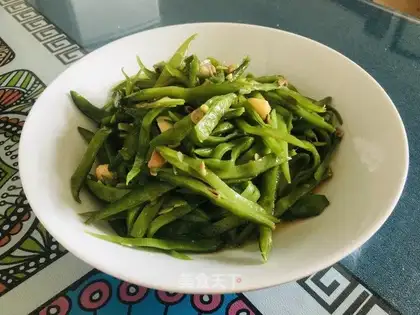
- Cooking Methods: Boil, steam, or stir-fry sword beans. Avoid frying, as it increases calorie content and reduces nutritional value.
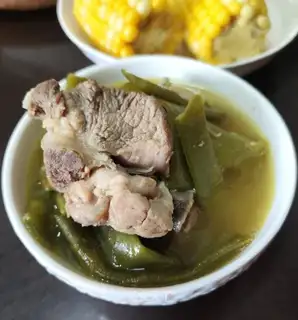
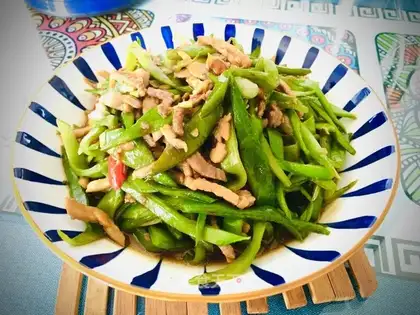
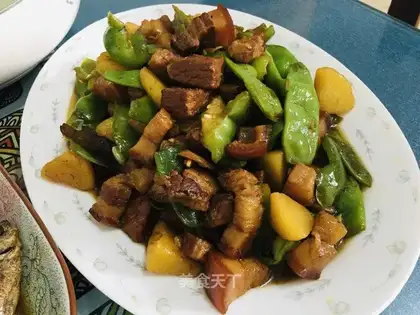
- Serving Suggestions: Add cooked sword beans to salads, soups, curries, or stir-fries. They pair well with grains like rice or quinoa for a balanced meal.
Conclusion
Sword beans are a nutritional powerhouse that offers a wide range of health benefits, from heart health to immune support. Their high protein, fiber, and micronutrient content make them a valuable addition to a healthy diet, provided they are cooked properly to eliminate toxins. By understanding and adhering to the precautions outlined above, individuals can safely harness the power of sword beans to enhance their overall well-being. Whether enjoyed in a hearty stew or a light salad, this versatile legume proves that nature’s bounty is both delicious and nourishing.