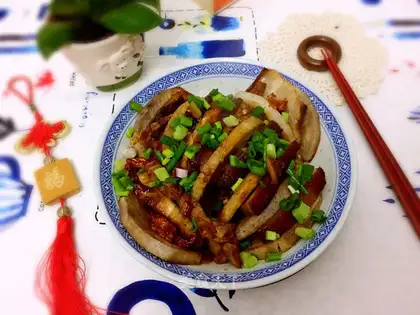
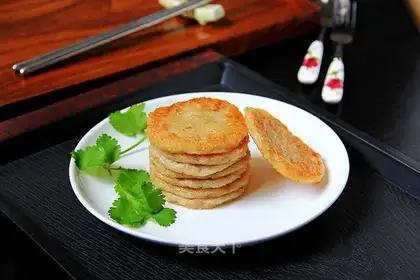
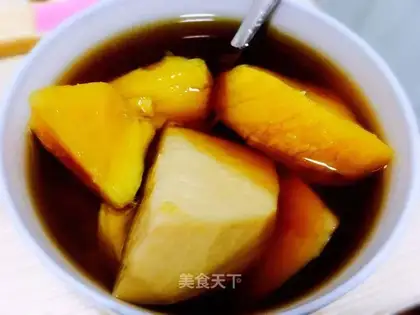
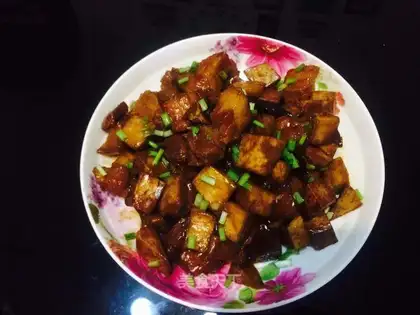
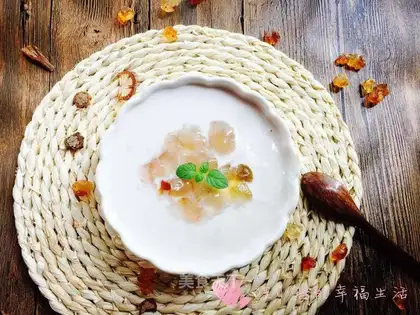
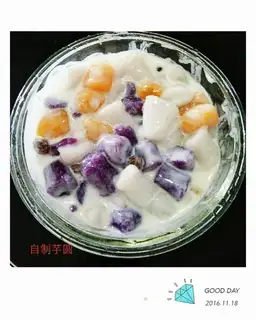
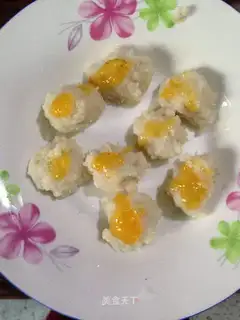
When they were young, the substance was not now rich and varied, and usually they were fed from their fields. In the rain, moms can't go to the fields to work, and mothers who can't afford to go to the fields usually make food, so that we can be free. The freshly collected rice, along with the freshly dug tart, and the smartest mother, using this simple diet, made this taro pancakes. And in those days when we barely had enough to eat, we could make this pretzels, and we really admired Mom's cooking。
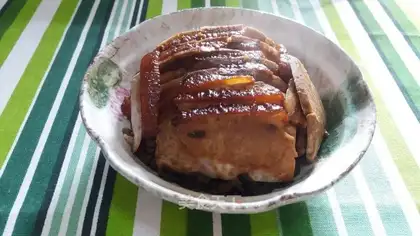
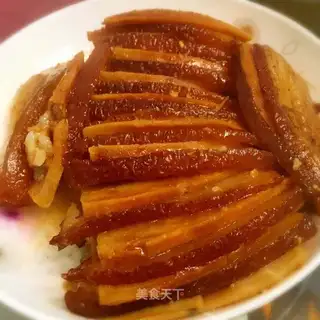
There are few opportunities to eat meat as a child, mostly in villages where people are married, live a life or have an annual holiday. Sometimes the home returned a small piece of cooking and fried, with a little thin meat, mostly fat. Touches are half an inch wide. A piece of meat like that, most of it, has been cooked by adults, with a bit of pastry, and ordinary cabbage has become delicious. My grandmother's veggies don't eat grasshoppers, and my sister lives with grandma and doesn't eat meat, so this meat is my only taste. Grandma cut the meat into thin slices, spilled a little salt and steamed it in the pot. I'll break the buns, put on the spicy oil and put the meat in it. It's delicious. My intoxicated face tempts my sister. But my sister looked at the fat, and she doubted me, and she was afraid. As we prepare to make plumbs today, when we see Guangxi's taro, we're thinking of cutting the taro with the meat, which would be healthier and consistent with the current food diversity。